The municipality of Tunis is continuing its preparations to implement a selective household waste sorting project from the source, in partnership with the Mediterranean Cities Network. The project, set to start in 2026, will initially be implemented in two areas: Manouba and Sijoumi. A two-day training session was launched for local council members and municipal officials to enhance their capacities and unify their vision on the project's implementation.
The training session, which began on Wednesday, aims to equip local stakeholders with the necessary skills to ensure the project's success. It covers the legal frameworks governing waste management, as well as national and international experiences in selective waste sorting. The goal is to promote a circular economy and encourage the reuse and recycling of materials. The project's implementation is seen as a crucial step towards developing a more effective and sustainable waste management system in the capital.
The selective waste sorting project is considered a model initiative, with the potential to significantly reduce the amount of waste sent to landfills. According to Smah Deloul, the person in charge of managing the Tunis municipality, the project is a key step towards improving waste management in the capital. She emphasized the importance of collaboration between all stakeholders, including local councils, municipal officials, and citizens, to ensure the project's success.
The project is part of a broader effort to promote sustainable waste management practices in Tunisia. The country has been working to improve its waste management infrastructure, with a focus on reducing waste and promoting recycling. The selective waste sorting project is seen as a key component of this effort, with the potential to make a significant impact on the country's environmental and economic development.
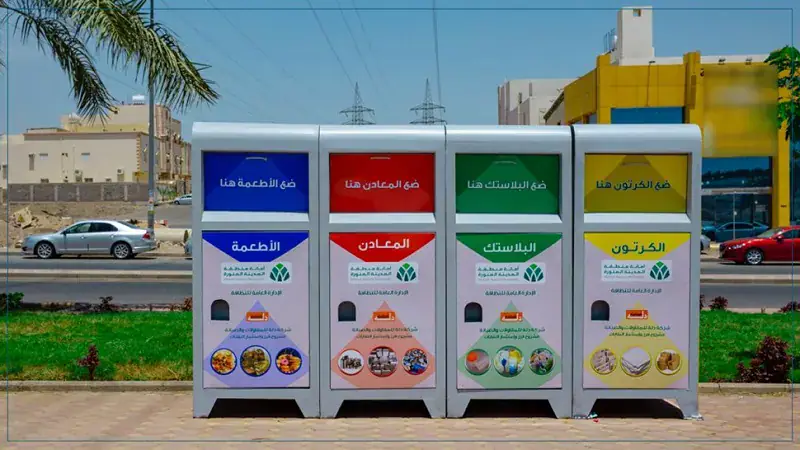
The Manouba and Sijoumi areas were chosen to host the project's first phase due to their high population density and waste generation rates. The project's implementation will involve the distribution of special containers for sorting household waste, as well as awareness-raising campaigns to educate citizens on the importance of selective waste sorting. The goal is to encourage citizens to adopt sustainable waste management practices and reduce their environmental impact.
The project's success will depend on the active participation of local communities, as well as the collaboration of all stakeholders involved. The municipality of Tunis is working to raise awareness about the project's objectives and benefits, with the aim of promoting a culture of sustainability and environmental responsibility. The project's outcomes will be closely monitored, with the goal of replicating the model in other areas of the capital.
The selective waste sorting project is a significant step towards achieving Tunisia's environmental and development goals. The project is expected to contribute to the country's efforts to reduce waste, promote recycling, and protect the environment. With the support of all stakeholders, the project has the potential to make a lasting impact on the country's sustainable development.
Key points
- The project aims to reduce waste sent to landfills and promote a circular economy.
- The project will initially be implemented in two areas: Manouba and Sijoumi.
- A two-day training session was launched for local council members and municipal officials.