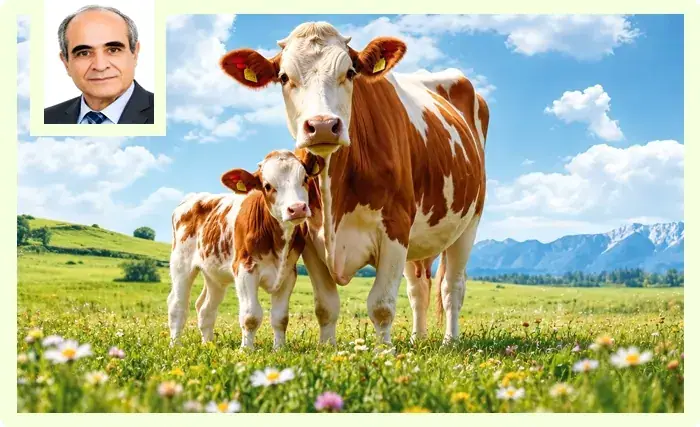
Tunisia's bovine industry has been severely affected by consecutive years of drought, geopolitical crises, and rising feed costs, leading to a decline in cattle numbers and milk production. The sector has experienced a significant loss of profitability, causing many farmers to abandon their activities. According to 2024 estimates, the bovine population has decreased to 360,000, with 211,000 dairy cows and 149,000 local and crossbred cows, down from 450,000 in 2015.
The decline in cattle numbers has resulted in a shortage of beef and dairy products, contributing to higher prices. The number of dairy cows has decreased by 25%, while local and crossbred cows have seen a 12% decline. This reduction in cattle numbers has weakened the industry, affecting thousands of rural families who depend on it for their livelihood. The decrease in milk production has also increased the country's reliance on external supplies.
The lack of accurate data on cattle numbers and the current state of the industry hinders efforts to address the challenges facing the sector. An agricultural survey is set to be launched to update data on farms, animal numbers, and economic conditions. This information will be crucial in identifying the root causes of the problems and developing effective strategies to support the industry.
Industry professionals, researchers, and farmers have emphasized that the current milk price at production, set at 1.340 DT/liter, does not cover the increasing costs of production. Increasing the milk price would make farming more profitable, encouraging producers to continue their activities and invest in their herds. This move would help stem the decline of the industry and preserve dairy cows.
To protect the cattle population, it is essential to prevent the excessive slaughter of reproductive females. Regulations have been in place to preserve breeding animals, but stricter enforcement is needed, including better monitoring of veterinary certificates and animal tracking. Unregulated slaughter outside approved abattoirs must also be addressed.
The Ministry of Agriculture has launched a program to revive the industry by reconstituting herds and supporting milk and red meat production. The program includes assistance with acquiring heifers, genetic improvement, and better veterinary coverage. Its success will depend on farmers' technical expertise and proper animal care, including balanced nutrition and regular health monitoring.
The availability of selected and high-performance heifers will be crucial to the program's success. The reconstitution of the cattle population offers an opportunity to reassess genetic choices, with the Holstein breed remaining valuable for its milk production potential in well-managed farms. The industry's revival will require a concerted effort from all stakeholders to address the challenges and ensure a viable and sustainable bovine sector.
Key points
- The Tunisian government has launched a program to support the bovine industry, including assistance with acquiring heifers and genetic improvement.