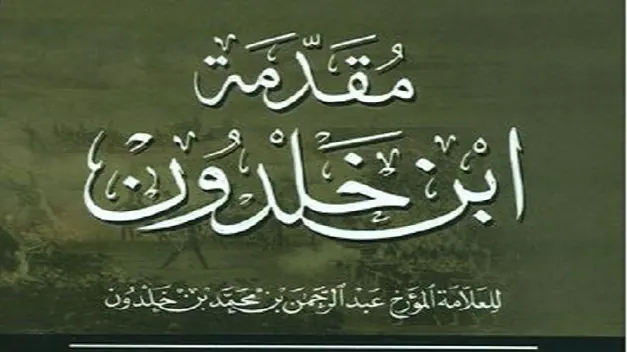
The Tunisian-led bid to inscribe Ibn Khaldun's seminal work, "The Muqaddimah", in UNESCO's Memory of the World Register is currently under evaluation. The bid, submitted jointly with Algeria, Egypt, and Turkey, aims to recognize the historical and scientific significance of the 14th-century manuscript. According to Tunisia's Permanent Mission to UNESCO, the evaluation process involves expert committees that will assess the cultural and intellectual importance of the work. The bid highlights the transnational significance of "The Muqaddimah", which was written by Ibn Khaldun during his travels between Tunisia, Algeria, Morocco, and Egypt.
Ibn Khaldun's "The Muqaddimah" is considered one of the most influential works of intellectual history in the region. The manuscript has been preserved in various countries, including Turkey, and its inscription in the Memory of the World Register would acknowledge its importance as a cultural and scientific heritage. Tunisia's Permanent Mission to UNESCO emphasized that the country's rich cultural heritage and historical significance make it an ideal candidate for the inscription. The bid is a collaborative effort between Tunisia, Algeria, Egypt, and Turkey, reflecting the shared cultural and intellectual legacy of the region.
The evaluation process for the bid is expected to conclude in 2027, with the UNESCO Executive Board set to announce the successful inscriptions during its spring session. If successful, "The Muqaddimah" would join a list of significant cultural and historical documents recognized by UNESCO. The Tunisian-led bid has been years in the making, with preparations beginning in 2017. The country's cultural authorities have been working closely with international partners to promote the significance of Ibn Khaldun's work and its relevance to modern times.
In support of the bid, a cultural event was organized in Tunis in April 2024, featuring a guided tour of the city's historic sites associated with Ibn Khaldun's life and work. The event, titled "A Journey in the Footsteps of Ibn Khaldun", included visits to the city's ancient library, the Khaldunian Library, and the house where Ibn Khaldun was born. The tour was led by historian Abd al-Sattar Ammamou, who provided insights into Ibn Khaldun's life, family, and intellectual contributions.
The bid to inscribe "The Muqaddimah" in UNESCO's Memory of the World Register is not only a recognition of the manuscript's cultural significance but also a testament to the enduring legacy of Ibn Khaldun's ideas. The work has been widely studied and translated, influencing intellectual discourse in both Arab and Western worlds. The inscription would acknowledge the transnational significance of the manuscript and its relevance to modern cultural and intellectual debates.
The collaborative bid reflects the shared cultural heritage of the region and highlights the importance of international cooperation in preserving and promoting cultural and intellectual legacy. The inscription of "The Muqaddimah" in UNESCO's Memory of the World Register would be a significant recognition of the region's rich cultural heritage and its contributions to global intellectual history.
The outcome of the bid is eagerly anticipated by the cultural authorities and intellectuals in the region. If successful, the inscription would not only acknowledge the significance of "The Muqaddimah" but also promote cultural exchange and cooperation between Tunisia, Algeria, Egypt, and Turkey. The bid is a testament to the enduring legacy of Ibn Khaldun's ideas and the region's rich cultural heritage.
Key points
- Tunisia leads bid to inscribe Ibn Khaldun's 'The Muqaddimah' in UNESCO's Memory of the World Register
- Bid is collaborative effort between Tunisia, Algeria, Egypt, and Turkey
- Inscription would recognize cultural and scientific significance of 14th-century manuscript