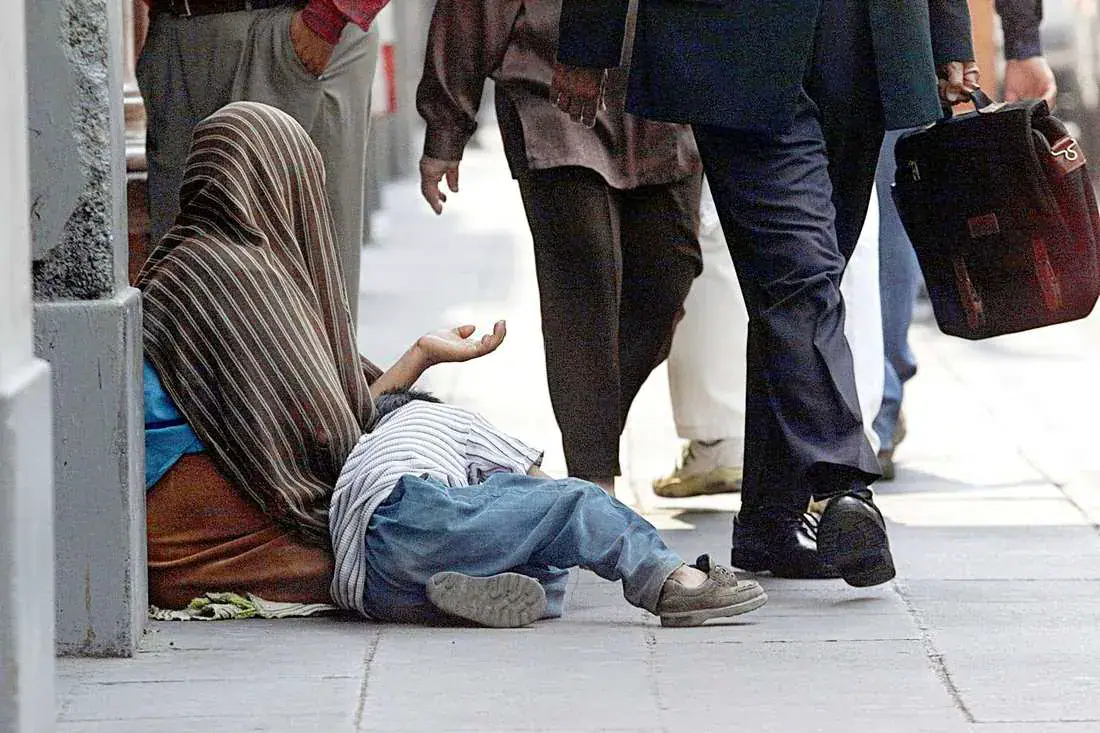
In Tunisia, begging has become a complex issue that goes beyond just poverty and social need. According to sociologist Professor Mamdouh Azaldin, it has become a phenomenon where social vulnerability intersects with deception, exploitation, and some criminal activities. The issue came to light recently when 1550 cases of begging were reported in 2026, with some individuals involved in drug trafficking and monitoring homes for potential robbery.
The Tunisian law distinguishes between mere begging and actions that involve deception, coercion, or exploitation. The Penal Code punishes specific cases, including pretending to be disabled or injured to obtain charity, using threats, carrying tools that facilitate theft, and using falsified documents. The 2016 law on combating human trafficking also considers begging a form of exploitation when it results from recruiting individuals or exploiting their vulnerable state.
However, the lack of up-to-date national statistics makes it difficult to determine the exact number of beggars in Tunisia. A 2023 survey by the International Association for the Defense of Human Rights and Information estimated that there are around 4000 beggars in Greater Tunis, including approximately 600 children, with women making up about 60%. Their daily income ranges from 20 to 30 dinars, sometimes reaching 70 dinars.
The exploitation of women, children, elderly individuals, and patients is a significant concern. Some forms of begging have evolved from individual acts of desperation into a regular economic activity that can be exploited by groups. In cases of exploitation, individuals such as children, elderly people, or those with disabilities become a means to collect money rather than being protected and cared for.
Professor Azaldin emphasizes that understanding these changes requires looking beyond just poverty. Unemployment, precarious work, declining purchasing power, and weak social protection, along with family breakdown and loss of support, can drive individuals to beg. The strong culture of charity and solidarity in Tunisian society, while important, can also be exploited when sympathy is turned into an economic resource.
The consequences of this phenomenon extend beyond public order issues, threatening children's rights to education, protection, and proper upbringing, and reinforcing the exploitation of vulnerable groups. A national survey that distinguishes between emergency, organized, and exploitative begging is necessary, along with developing targeted social interventions that prioritize vulnerable groups.
Experts stress that addressing this issue requires more than just security campaigns or temporary assistance. A comprehensive approach involves a precise national survey, enhanced social protection programs, and facilitating access to social assistance. The goal is to ensure that assistance reaches those who need it most and to prevent the transformation of human suffering into a source of profit.
Key points
- Some individuals in Tunisia are using begging as a front for criminal activities such as drug trafficking and robbery.
- The issue of begging in Tunisia is complex, involving social, economic, and cultural factors.
- A national survey and targeted social interventions are necessary to address the root causes of begging and protect vulnerable groups.