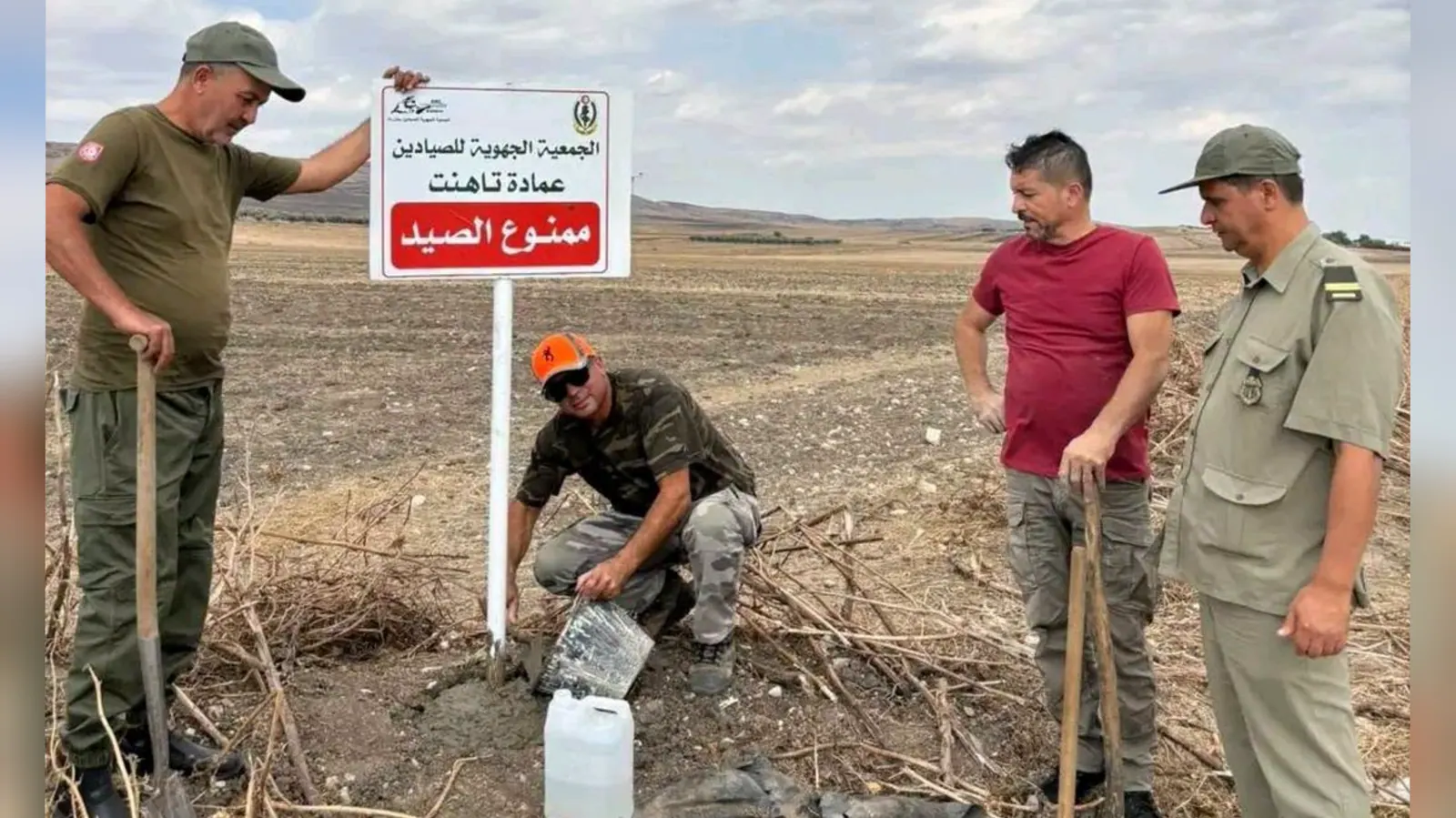
In a move aimed at conservation and wildlife protection, the Banzart region in Tunisia has introduced hunting bans for the 2026-2027 season. The bans, which came into effect on October 4, 2026, will run until December 6, 2026, for certain species, and until January 31, 2027, for others. The hunting bans apply to specific areas, including the municipalities of Bairas and Tahanet in the Jomine delegation.
The bans were introduced in the presence of the head of the Wildlife Hunting Unit and representatives from the Regional Hunting Association of Banzart. The areas covered by the bans include the Galata archipelago, Gar El Melh lake, and protected areas such as Ashkel and Jebel Cheitana. The hunting bans also apply to agricultural machinery. The move is part of efforts to regulate hunting and protect wildlife in the region.
The hunting season for specific species, including rabbits, hares, quail, blue pigeons, and partridges, began on October 4, 2026, and will continue on Sundays and public holidays until December 6, 2026. The hunting season for wild boars and golden jackals will run until January 31, 2027. The introduction of the hunting bans aims to ensure sustainable hunting practices and protect the region's biodiversity.
The Jomine delegation in Banzart is known for its rich biodiversity, with several protected areas and natural reserves. The introduction of hunting bans is part of efforts to conserve and protect the region's wildlife and natural habitats. The move has been welcomed by conservationists and local communities, who recognize the importance of protecting the region's natural resources.
The Regional Hunting Association of Banzart has been actively involved in the introduction of the hunting bans. The association has been working with local authorities and conservationists to promote sustainable hunting practices and protect the region's wildlife. The introduction of the hunting bans is seen as a positive step towards achieving these goals.
The hunting bans are part of a broader effort to regulate hunting in Tunisia and protect the country's natural resources. The country's authorities have been working to implement measures aimed at conserving and protecting wildlife, including the introduction of hunting bans and regulations. The move is expected to have a positive impact on the region's biodiversity and ecosystem.
The introduction of the hunting bans has been well-received by local communities, who recognize the importance of protecting the region's natural resources. The move is seen as a positive step towards promoting sustainable hunting practices and conserving the region's biodiversity. The hunting bans will be enforced by local authorities, who will work to ensure compliance with the regulations.
Key points
- The Banzart region in Tunisia has introduced hunting bans for the 2026-2027 season, covering specific areas and species.
- The hunting bans aim to promote sustainable hunting practices and protect the region's biodiversity.
- The move has been welcomed by conservationists and local communities, who recognize the importance of protecting the region's natural resources.