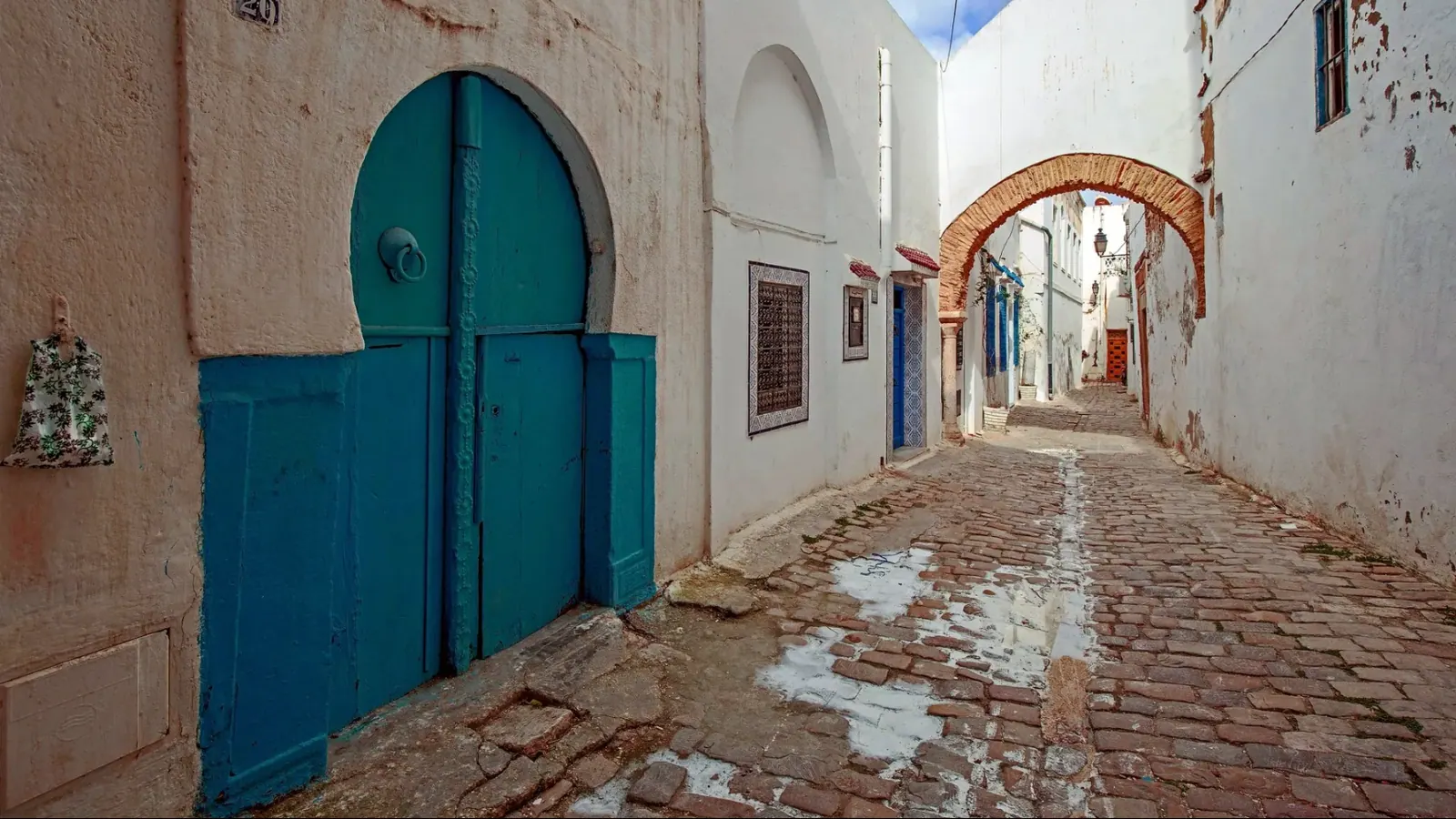
In Tunisia's ancient city, various institutions, research centers, and associations participating in a research project on water heritage have invited residents to a consultative meeting on traditional wells and cisterns. Scheduled for October 10, 2026, the meeting aims to document and assess the feasibility of reactivating the traditional water system. This initiative seeks to address the challenges of water scarcity and climate change by tapping into local knowledge and experiences related to wells and cisterns within residential areas.
The meeting will highlight the significance of traditional wells and cisterns in the lives of ancient city residents and examine their current state. The research project, supported by the French Institute for Research and Development (IRD), involves several Tunisian institutions. These include the National School of Architectural and Urban Engineering, the Sustainable Cities and Built Environment Laboratory, the National Institute of Agricultural Sciences, and the Laboratory of Archaeology and Moorish Architecture.
The project aims to preserve Tunisia's traditional water heritage and explore ways to utilize it in addressing current environmental challenges. By engaging local residents, the initiative seeks to gather valuable insights into the traditional water systems. This approach recognizes the importance of local knowledge in documenting and researching water heritage.
Tunisia's ancient city faces significant challenges related to water scarcity and climate change. The country's water resources are under pressure, and innovative solutions are needed to ensure sustainable management. The research project aims to contribute to these efforts by documenting and studying traditional water systems.
The traditional water systems in Tunisia's ancient city have played a crucial role in the lives of residents for centuries. Wells and cisterns have provided a reliable source of water, and their revival could help alleviate water scarcity. The project's focus on local knowledge and experiences will help identify opportunities for reactivating these traditional systems.
The involvement of various institutions and associations in the research project reflects the importance of collaboration in addressing environmental challenges. By working together, these stakeholders aim to develop effective solutions for managing Tunisia's water resources sustainably.
The project's findings and recommendations are expected to contribute to the preservation of Tunisia's water heritage and inform strategies for addressing water scarcity and climate change. The initiative's success will depend on the active participation of local residents and the effective implementation of its recommendations.
Key points
- The research project aims to document and study traditional water systems in Tunisia's ancient city to address water scarcity and climate change.
- The project involves collaboration between various Tunisian institutions and associations, with support from the French Institute for Research and Development (IRD).
- The initiative seeks to engage local residents in documenting and researching water heritage, recognizing the value of local knowledge in preserving Tunisia's water heritage.