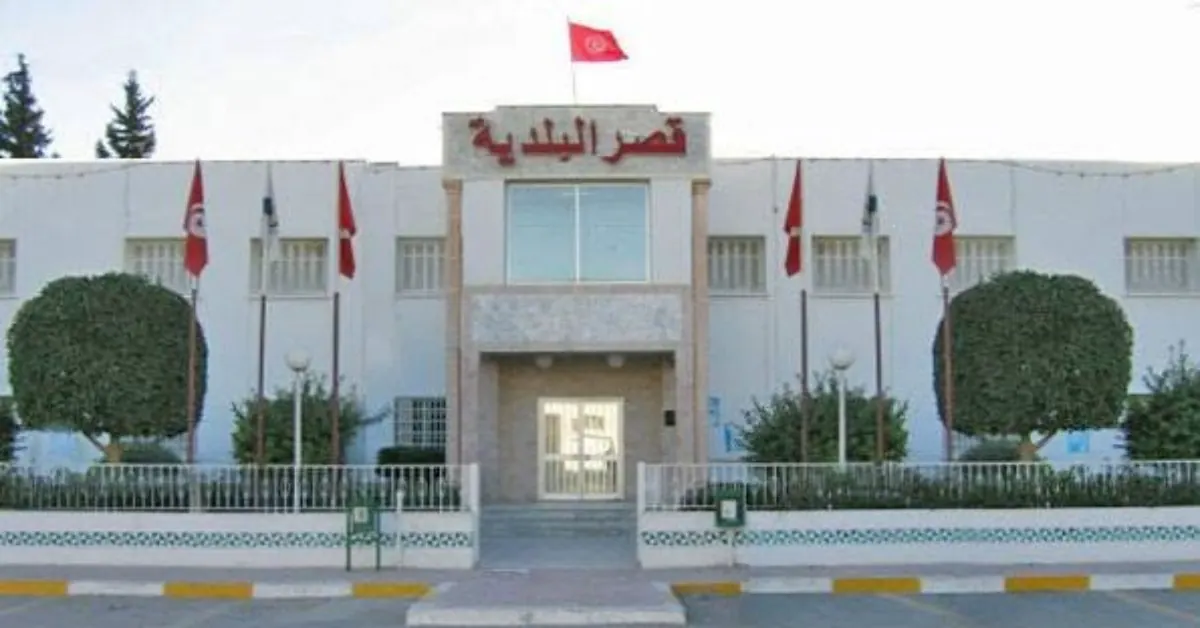
The municipality of Ain in Tunisia's Sfax governorate has initiated a project aimed at valorizing rainwater and converting it into a sustainable resource. According to Abd al-Jabbar al-Tayyib, director of public cleaning and health at the Ain municipality, the project is part of the municipality's developmental and environmental plans. These plans were established through a comprehensive vision for the municipal area up to 2025.
The project involves the creation of five water reservoirs with a capacity of approximately 5,000 cubic meters to store rainwater. The system will utilize advanced pumping technology and a 15-kilometer network to collect and distribute the water. Additionally, modern distribution systems and photovoltaic energy to power the reservoirs will be implemented. The project also includes the distribution of 1,500 water tanks with a capacity of 5 cubic meters to citizens for irrigating their gardens.
A key component of the project is the plantation of 10,000 trees in the Wadi al-Sha'buni area of Sfax to create a green belt. A modern irrigation system will be established to conserve water. Furthermore, a center for managing rainwater will be set up. The project is expected to create jobs for a significant number of young people and provide employment opportunities for others.
The project is anticipated to benefit 500 farmers who will have access to harvested rainwater for irrigating their crops. Some educational institutions in the area will also receive water tanks as part of the initiative. The project's comprehensive approach aims to promote sustainable water management practices in the region.
The municipality's efforts to prepare for the rainy season are ongoing, with the identification of "blue zones" to mitigate potential flood risks. This proactive approach demonstrates the local authorities' commitment to addressing environmental challenges and promoting sustainable development.
The project's focus on harnessing rainwater as a sustainable resource is particularly significant in the context of Tunisia's efforts to manage its water resources effectively. By investing in innovative solutions, the country aims to reduce its reliance on traditional water sources and promote more efficient use of this vital resource.
The successful implementation of this project could serve as a model for other municipalities in Tunisia and beyond. By leveraging rainwater harvesting and other sustainable practices, local authorities can help mitigate the impacts of climate change and promote more resilient communities.
Key points
- The project aims to benefit 500 farmers and create jobs for young people.
- The project involves the creation of five water reservoirs with a capacity of approximately 5,000 cubic meters.
- The project includes the plantation of 10,000 trees to create a green belt.