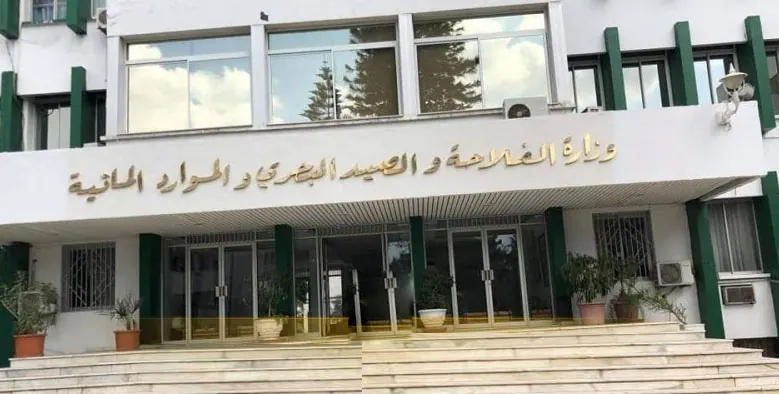
Tunisia's Ministry of Agriculture, Water Resources and Fisheries has initiated an update of the national list of quarantine pests, which was last adopted in 2012. This effort aims to strengthen the national plant health system and enhance its preparedness to face risks and threats to agricultural crops, based on the latest scientific knowledge and international standards in plant protection. The update process involved over 60 researchers and experts in plant health, as well as representatives from various agricultural sectors.
The update of the national list of quarantine pests is part of a broader initiative to develop tools for monitoring and preventing agricultural pests and to keep pace with the evolution of biological risks. This will enhance the ability to detect harmful organisms early and limit their spread, while supporting the protection of Tunisia's national plant wealth and ensuring the sustainability of agricultural production. The initiative is being implemented in collaboration with the Higher Education and Research Institute for Agriculture and the Food and Agriculture Organization (FAO) of the United Nations in Tunisia.
The update process involves evaluating and classifying harmful organisms according to scientific and technical criteria adopted by the International Convention for the Protection of Plants. This includes classifying them into lists A1 and A2 of quarantine pests, ensuring a scientific approach to identifying risks and assessing their potential impact on the agricultural sector. The initiative also aims to enhance coordination and cooperation between research institutions, specialized technical services, and professionals in the agricultural sector.
The update of the national list of quarantine pests is expected to strengthen alert and plant health monitoring mechanisms, improve the ability to anticipate emerging threats, and protect agricultural crops from invasive pests. It will also support the safety of trade exchanges related to plants and plant products. The Ministry of Agriculture emphasized that this initiative highlights the importance of continuing to develop the national plant health system, based on scientific research, international cooperation, and the integration of efforts by various stakeholders.
The update process involved a workshop organized by the General Directorate of Plant Health and Control of Agricultural Inputs at the Ministry of Agriculture, in collaboration with the Higher Education and Research Institute for Agriculture and the FAO in Tunisia. The workshop brought together experts and stakeholders to discuss the update of the national list of quarantine pests and its implications for plant health protection in Tunisia.
The Ministry of Agriculture emphasized that the update of the national list of quarantine pests is a key component of its strategy to protect agricultural production and enhance the country's preparedness to face plant health risks. The ministry is committed to continuing its efforts to develop the national plant health system, in line with international standards and best practices.
The update of the national list of quarantine pests is a significant step towards enhancing plant health protection in Tunisia and supporting the sustainability of agricultural production. The Ministry of Agriculture's initiative is expected to have a positive impact on the country's agricultural sector and contribute to the protection of its plant wealth.
Key points
- Tunisia's Ministry of Agriculture updates national list of quarantine pests to enhance plant health protection
- Update process involves evaluating and classifying harmful organisms according to scientific and technical criteria
- Initiative aims to strengthen alert and plant health monitoring mechanisms and support trade exchanges related to plants and plant products