Tunisia's aerospace sector has experienced substantial growth, contributing 4% to the country's GDP, according to a document titled "Industrial and Renewal Strategy by 2035" released by the Ministry of Industry, Mines, and Energy. The sector's exports have seen a sevenfold increase between 2010 and 2018, reaching $480 million, equivalent to approximately 1.6 billion dinars. France is the primary trading partner and destination for Tunisian exports in this field, accounting for 88% of the total.
The industry is dominated by four major industrial complexes, which account for 70% of the country's total aerospace exports. The number of companies operating in the aerospace sector has increased eightfold over the past 13 years, rising from 10 companies in 2004 to over 81 companies. Of these, 90% operate under the offshore export system, while 61% specialize exclusively in manufacturing aircraft components.
The aerospace sector in Tunisia employs over 17,000 engineers, technicians, and qualified workers. Manufacturing activities account for 80% of the workforce, while services, including engineering, consulting, maintenance, and software development, make up the remaining 20%. The country hosts branches of major international groups, including Stelia Aerospace, a subsidiary of Airbus, as well as Safran, Zodiac Aerospace, Hutchinson, Sabina Technics, Latécoère, and Telenet.
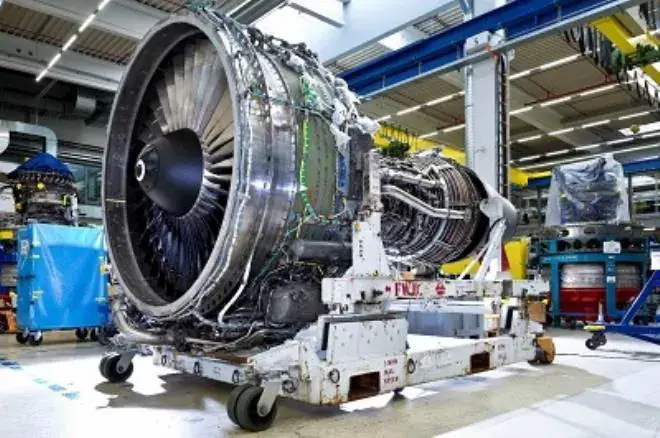
Tunisia's industrial fabric in the aerospace sector is built on the success of the Aeropôle industrial pole in Méhirs and the Center of Excellence in Aerospace Professions (CEMIA). The sector is expected to continue growing, driven by emerging areas such as maintenance, repair, and overhaul, which have been identified as high-yield sectors with profit margins estimated at around 20%. This is expected to enhance Tunisia's positioning as a regional hub for providing these services to Africa and the Middle East.
Other promising areas in the sector include unmanned aerial vehicles (UAVs) and miniaturized satellites. Projects with high technological value have been developed using 100% Tunisian expertise, such as the Phoenix civil drone and the Challenge One miniaturized satellite, both developed by Telenet. The sector has also seen advancements in the use of composite materials and 3D printing technologies, in response to requirements for reducing aircraft weight and fuel consumption.
The growth of Tunisia's aerospace sector is a testament to the country's capabilities in this field. With a focus on innovation and technological development, the sector is poised for continued growth and expansion. The implementation of the 2035 strategy is expected to further drive growth and development in the sector.
As the sector continues to evolve, it is likely to attract further investment and create new opportunities for Tunisian companies. The country's expertise in aerospace manufacturing, maintenance, and services positions it well for future growth and collaboration with international partners. Key players in the sector are expected to continue investing in Tunisia, leveraging the country's skilled workforce and favorable business environment.
Key points
- Tunisia's aerospace sector contributes 4% to GDP, with exports reaching $480 million in 2018.
- The sector employs over 17,000 engineers, technicians, and qualified workers.
- Emerging areas such as maintenance, repair, and overhaul are expected to drive growth in the sector.