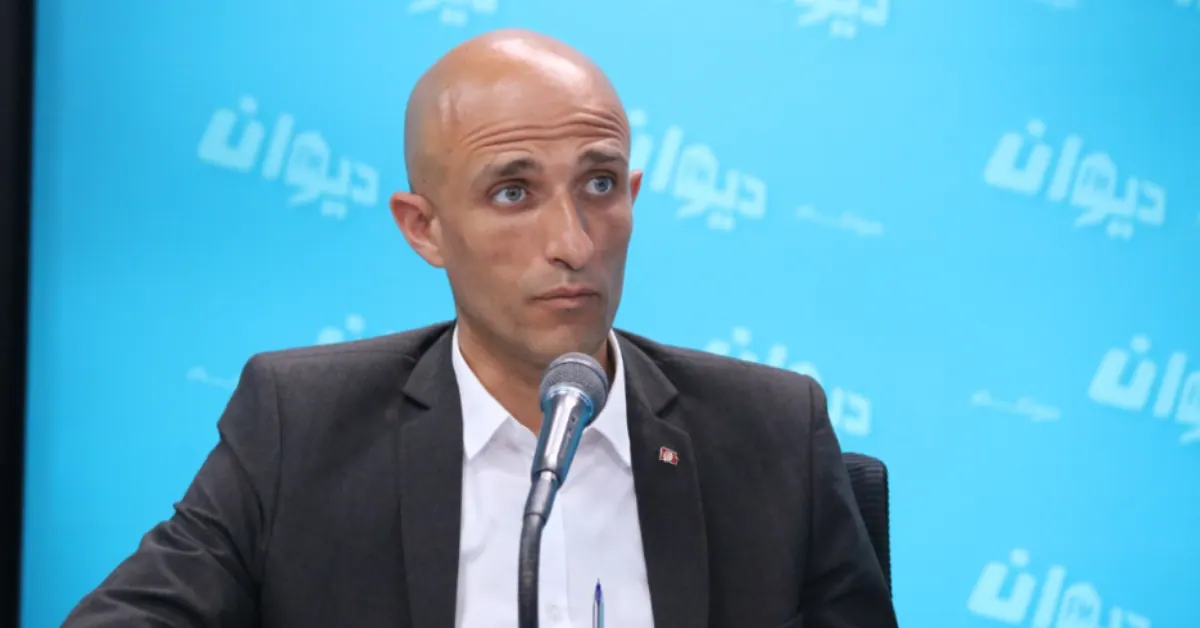
Tunisia's accession to the Mediterranean agreement on green hydrogen and energy transition marks a strategic step towards supporting the country's energy sovereignty and integrating into clean energy value chains, according to Mohamed Ali Fneira, a member of the Assembly of People's Representatives and rapporteur of the Industry, Trade, Natural Resources, Energy, and Environment Committee. This move is expected to help reduce the country's reliance on imported energy sources.
Tunisia currently faces a structural energy deficit, with domestic production covering only around 35% of its energy needs, while 65% is imported, affecting the trade balance. The country's energy landscape is characterized by a significant gap between production and consumption, highlighting the need for sustainable solutions. Fneira emphasized that Tunisia must work towards becoming a producer of green hydrogen, rather than just a transit country.
The green hydrogen corridor project, spanning approximately 3000 kilometers, aims to transport energy produced from water analysis using renewable energies, such as solar and wind power, to Europe, covering around 10% of its needs. This initiative is expected to contribute to reducing dependence on gas and fossil fuels, supporting heavy industries, and developing the production of green fertilizers and ammonia.
Fneira considered that the current agreement represents a general framework preceding the stage of approving projects and determining financing, noting that Tunisia's accession allows it to enhance its positioning in the field of clean energy and work on supporting its energy independence and entering the green hydrogen export market. This development is seen as a crucial step towards achieving the country's energy goals.
The National Renewable Energy Plan aims to increase Tunisia's production capacity to 5000 megawatts by 2030. Fneira also mentioned the project of electrical interconnection between Tunisia and the European Union with a capacity of 600 megawatts and a cost of approximately 4 billion dinars. This project is expected to boost the country's renewable energy sector and enhance its energy security.
Regarding energy export, Fneira explained that domestic demand increases during the summer months, from June to September, reaching a peak of around 6000 megawatts, while consumption decreases during the rest of the year to around 2700-2800 megawatts. He stressed that priority will be given to meeting local consumption needs, with any surplus being exported during periods of lower demand.
The agreement is expected to pave the way for the implementation of projects and financing, allowing Tunisia to capitalize on its potential in the clean energy sector. By joining the Mediterranean agreement, Tunisia is poised to become a key player in the green hydrogen market, enhancing its energy sovereignty and contributing to the region's sustainable development.
Key points
- Tunisia joins Mediterranean agreement on green hydrogen to boost energy independence.
- The country aims to increase its renewable energy capacity to 5000 megawatts by 2030.
- Tunisia prioritizes meeting local energy needs before exporting surplus energy.