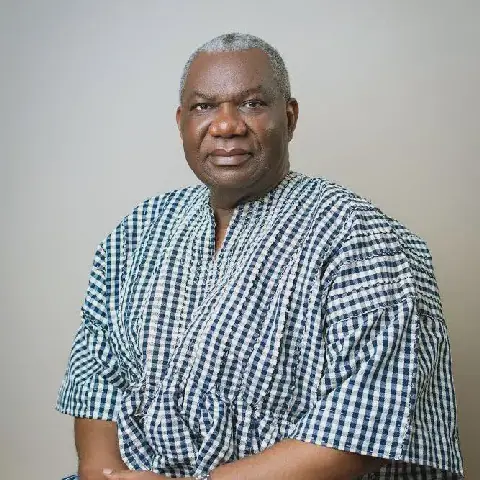
Tunisia's financial landscape is expected to experience a positive shift in 2027, according to financial analyst Bassam Neifer. He stated that the country will have a better margin of maneuver in 2027 compared to the previous three years, particularly in terms of reduced pressures on debt repayment. This comes after a challenging year for the country's public finances, marked by a significant increase in fuel prices due to geopolitical tensions.
The 2027 financial law and budget are being prepared in the context of a five-year development plan (2026-2030). Neifer noted that the new budget will open a new chapter for the next three years (2027-2029). The 2027 financial law and budget will focus on implementing programs and projects outlined in the development plan. The analyst emphasized that the preparation of the 2027 financial law and budget took into account the country's difficult financial situation, marked by a significant increase in fuel prices.
Neifer predicted that the 2027 budget will focus on repairing the damage to public finances. He warned that the new financial law will not include major or significant measures, nor will it provide pleasant surprises. The analyst based his analysis on the total public debt service for 2027, estimated at around 20 billion dinars. He also noted that the debt service for 2027 will be lower than in 2026.
The financial analyst estimated that the internal debt service will be around 6,460 million dinars, with long-term treasury bills at 3,043 million dinars and short-term treasury bills at 1,300 million dinars. Additionally, he predicted that the external debt will not exceed 5 billion dinars in 2027, which is lower than the 2026 figure. Neifer's analysis suggests that Tunisia will have a better margin of maneuver in 2027.
Neifer proposed that the 2027 budget assumptions take into account global developments, particularly oil prices. He suggested adopting a higher oil price (Brent) for 2027 than the one used in the 2026 assumptions. The analyst also estimated that the support volume in the new budget will increase, considering the state's social orientations and the high prices of raw materials.
The financial analyst predicted that the Tunisian dinar will remain stable, with no major risks to the local currency. He estimated that the budget deficit will be lower than 6% in 2027, compared to 6.4% expected for 2026. Neifer also noted that the financing of the deficit will be done through internal resources, mainly by continuing to rely on internal borrowing.
Finally, Neifer expressed optimism about public investment in 2027, which he expects to improve through the implementation of projects outlined in the five-year development plan. However, he warned that the volume of public financing will not be significant. The analyst also predicted that there will be no new tax measures or fees in the 2027 financial law, but rather a reorientation of tax incentives towards promising sectors.
Key points
- Reduced debt service pressures will provide Tunisia with better flexibility in 2027.