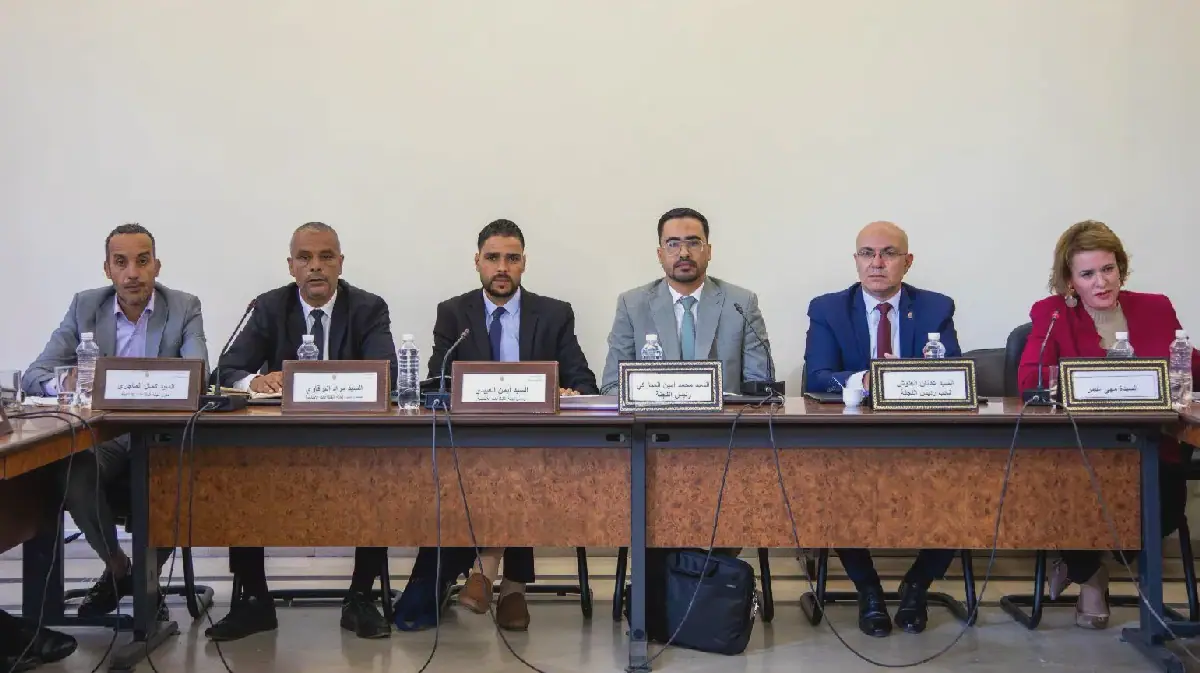
The Tunisian Ministry of Environment's budget for 2027 has been set at over 531 million dinars, with a focus on implementing new projects to manage waste and protect the country's coastline. The budget was discussed during a joint session of the National Council of Regions and Districts' Productive Sectors Committee and the Assembly of People's Representatives' Industry, Trade, Natural Resources, Energy, and Environment Committee, held on November 4, 2026. The session was attended by Minister of Environment Habib Obaid and several ministry officials.
The 2027 budget is part of Tunisia's development plan for 2026-2030, which prioritizes environmental protection, particularly in the areas of waste management, coastal erosion, and pollution reduction. The plan includes region-specific environmental programs, taking into account the unique challenges faced by each region. For example, the first region aims to increase sewage treatment rates in cities and residential areas along the Medjerda River.
Minister of Environment Habib Obaid outlined the ministry's strategy for 2027, which focuses on upgrading sewage treatment plants, expanding services to cities not connected to networks, and improving water quality. The strategy also involves creating units to process and valorize waste, eliminating random dumping sites, and protecting the coastline from erosion. Additionally, the ministry aims to promote environmental awareness, particularly among young people, and support the green, blue, and circular economies.
The 2027 budget allocates funds to various institutions under the ministry's supervision, including the National Sanitation Office (ONAS), the National Waste Management Agency (ANRG), and the National Agency for Environmental Protection (ANPE). The budget breakdown includes 428.840 million dinars for ONAS, 27.750 million dinars for ANRG, 18.920 million dinars for ANPE, and 13.850 million dinars for the Coastal Protection and Development Agency.
The ministry's budget also includes two sub-programs, six objectives, 15 indicators, and 13 activities. The development budget allocated to public institutions is 430.845 million dinars. The Productive Sectors Committee's chairman, Aymen Obaid, emphasized the importance of addressing environmental issues, given the challenging situation faced by various regions in the country.
The environmental priorities for each region vary, with the second region focusing on improving waste management and sanitation services, and protecting the coastline from erosion. The third region aims to optimize water resource management in agriculture and valorize treated water. The fourth and fifth regions prioritize addressing pollution from economic activities, particularly in the phosphate and chemical industries.
The Tunisian government's efforts to address environmental challenges are ongoing, with a focus on promoting sustainable development and protecting the country's natural resources. The 2027 budget for the Ministry of Environment reflects the government's commitment to addressing these issues and improving the quality of life for Tunisian citizens.
Key points
- The Tunisian Ministry of Environment's 2027 budget focuses on waste management and coastal protection.
- The budget includes region-specific environmental programs to address unique challenges faced by each region.
- The ministry's strategy for 2027 prioritizes upgrading sewage treatment plants, expanding services, and improving water quality.