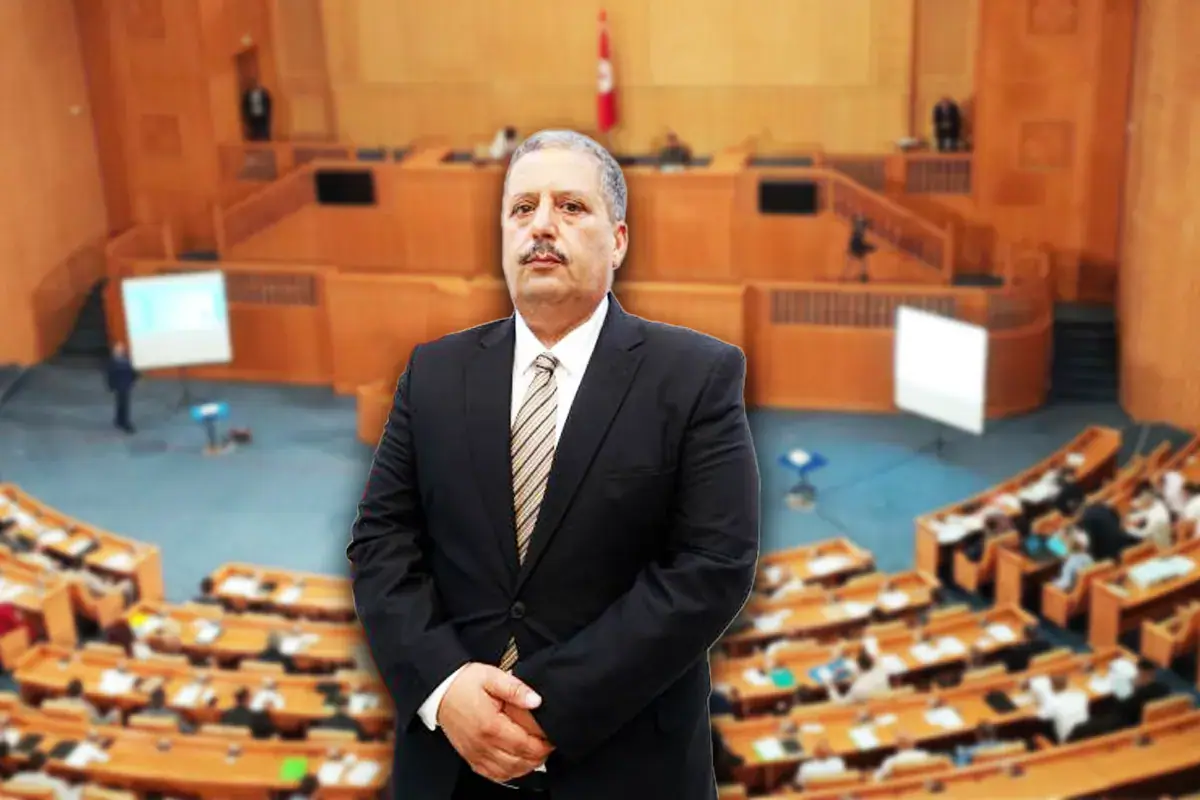
Tunisia's education ministry is set to receive a record 9.184 billion dinars in 2027, marking a significant increase from 8.7 billion dinars in 2026. This allocation, announced by Minister Noureddine Nouri, underscores the government's commitment to prioritizing education. The education sector will account for approximately 13.3% of Tunisia's total budget. The substantial budget increase reflects the government's focus on improving the education system.
The lion's share of the education budget will go towards salaries, which will rise by over 585 million dinars. This includes 348 million dinars for salary increases and 150 million dinars for recruiting 5,855 new employees. The education ministry currently employs over 215,000 agents. The significant investment in human resources aims to enhance the quality of education and address existing shortages.
In terms of budget allocation by educational cycle, preparatory and secondary education will receive 4.898 billion dinars, while primary education will receive 3.437 billion dinars. The primary education allocation prioritizes improving and generalizing the preparatory year. This strategic focus aims to lay a solid foundation for students and improve overall educational outcomes.
The education ministry has also allocated 485.5 million dinars for operational expenses related to the upcoming school year and 410 million dinars for infrastructure development and maintenance. These investments will support the renovation and upkeep of educational facilities, ensuring a conducive learning environment for students.
The 2027 budget also includes plans for expanding educational infrastructure. Nine new establishments will be opened, comprising six colleges and three high schools. These new institutions will be located in various regions, including Zaghouan, Tabarka, Bouarada, Rouadhi, Ksibet, Nabeul, Béja, and Bizerte. This expansion aims to increase access to quality education and reduce regional disparities.
In addition to infrastructure development, the education ministry is strengthening its efforts to combat school dropout rates. A new branch of the "second chance" program will be launched in Mahdia, providing an alternative educational pathway for at-risk students. This initiative demonstrates the government's commitment to supporting vulnerable students and promoting educational inclusivity.
The significant increase in education funding demonstrates Tunisia's dedication to improving its education system, despite budgetary constraints. The government's prioritization of education reflects its recognition of the sector's critical role in shaping the country's future. Key initiatives, including a focus on salary increases, infrastructure development, and combating school dropout rates, are expected to have a positive impact on educational outcomes.
Key points
- The 2027 education budget marks a significant milestone, surpassing 9 billion dinars for the first time.
- The education sector will account for approximately 13.3% of Tunisia's total budget.
- The government aims to improve educational outcomes through investments in human resources, infrastructure development, and initiatives to combat school dropout rates.
Reporting sources
- Le budget de l’Éducation franchit le cap des 9 milliards de dinars pour 2027 · L'Économiste maghrébin