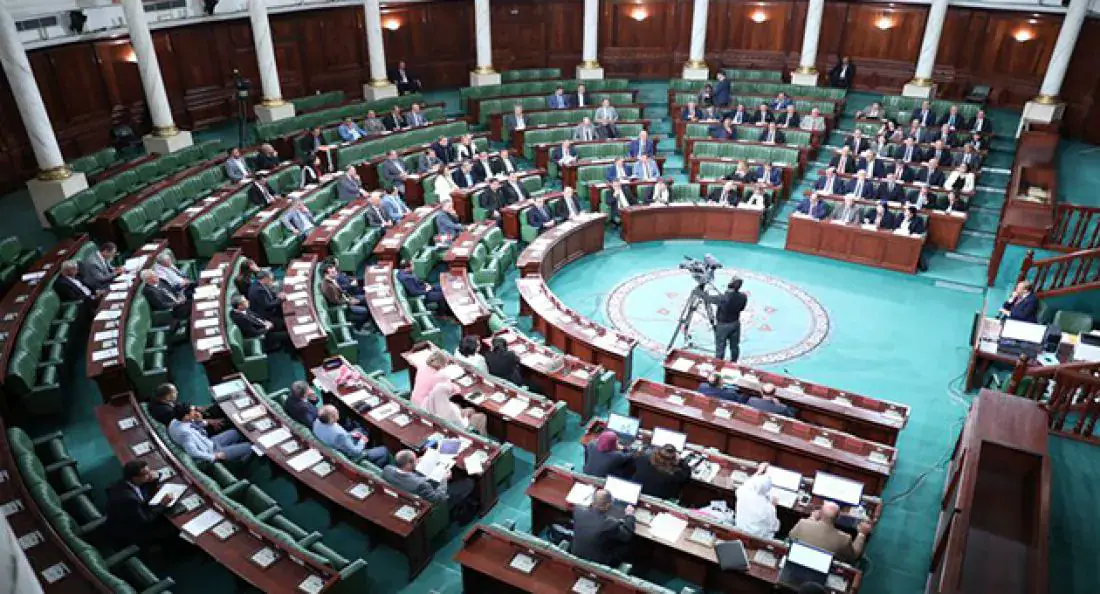
The Tunisian parliament, comprising the Assembly of People's Representatives and the National Council of Regions and Districts, convened on Saturday to discuss the 2027 budget for the Ministry of Cultural Affairs. The session, attended by Minister Amira Srarfi, follows the discussion of the 2027 health ministry budget. The cultural affairs budget has increased by approximately 8% to 500 million dinars, up from 460.969 million dinars in 2026.
The 2027 budget allocates funds to various programs, including arts, books and reading, cultural activities, heritage, and leadership and support. The arts program receives 66.274 thousand dinars, while books and reading are allocated 37.707 thousand dinars. Cultural activities receive 281.333 thousand dinars, heritage 79.664 thousand dinars, and leadership and support 35.022 thousand dinars. These allocations aim to promote cultural development and preserve Tunisia's heritage.
A significant portion of the budget, 5 million dinars, is dedicated to establishing a national laboratory for heritage dating, utilizing advanced scientific techniques like carbon-14 dating. This will enable the development of research and analysis capabilities, reducing reliance on foreign laboratories. Additionally, 2.5 million dinars are allocated for a comprehensive inventory of architectural heritage between the 19th and 20th centuries, aiming to create a national database.
The 2027 budget also includes 2 million dinars for structural projects related to the restoration and protection of historical monuments and archaeological sites. Furthermore, 1.9 million dinars are allocated for national programs focused on protecting archaeological sites, digitizing heritage, and maintaining ancient cities. These initiatives demonstrate the government's commitment to preserving Tunisia's cultural heritage.
The budget discussion also highlights the ongoing project for the self-insurance of monuments, sites, and museums, which has a dedicated allocation of 1.7 million dinars and has reached 75% completion. In the realm of intangible heritage, Tunisia continues to prepare files for new elements to be inscribed on UNESCO's list of intangible cultural heritage, including the Tunisian jubba and the wedding attire of the Hdaya.
The 2027 budget allocates 20 million dinars to develop visitor services and facilities at major sites and museums, including the Bardo Museum and the Roman Theatre of Dougga. Additionally, 2.5 million dinars are dedicated to upgrading specialized cultural institutions, such as the Musical Instrument Museum and the Dar al-Medina in Hammamet. These initiatives aim to enhance the cultural experience for visitors and promote Tunisia's rich heritage.
The budget also includes 50 million dinars to support the literary and artistic production system, as well as 40 million dinars to strengthen the digital infrastructure of cultural institutions. Furthermore, 13 million dinars are allocated to support cultural associations, and 900 thousand dinars for programs targeting children, youth, women, and people with disabilities. These allocations demonstrate the government's commitment to promoting cultural development and inclusivity.
Key points
- The 2027 cultural affairs budget focuses on heritage preservation, museum development, and artistic production.
Reporting sources
- Jawhara FM · Jawhara FM