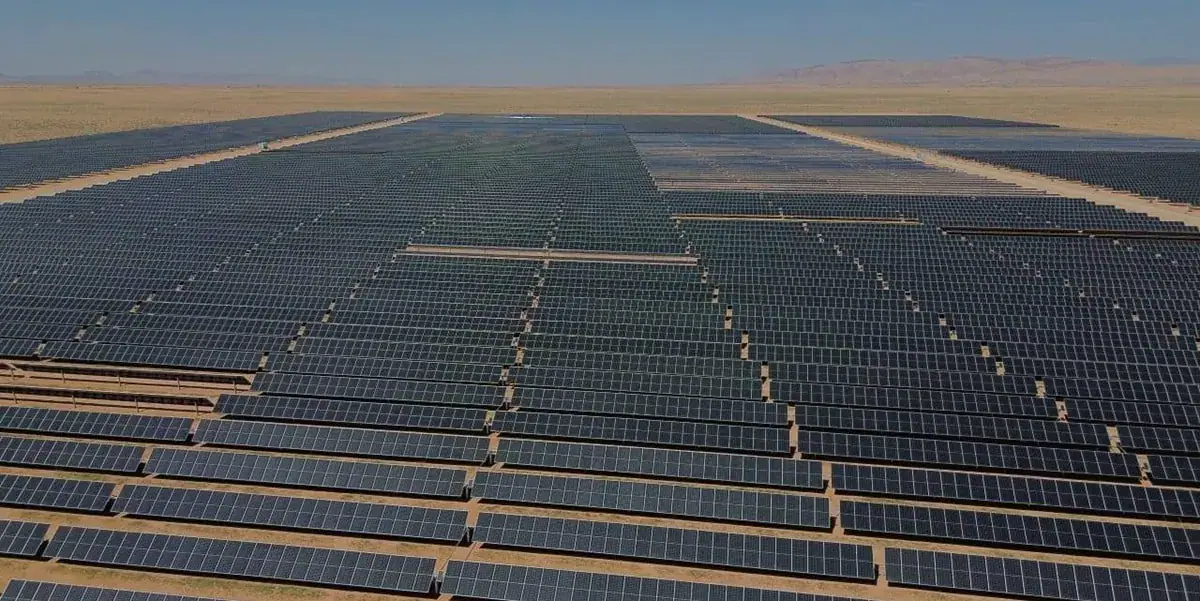
The Tunisian government's proposed 2027 budget aims to support the country's transition to renewable energy by introducing new fiscal incentives. The plan, presented by Prime Minister Sarra Zaâfrani Zenzri, includes reducing customs duties on solar panels to 10% and exempting electricity storage batteries from several import taxes. These measures are part of a broader effort to reduce the cost of equipment and encourage investments in renewable energy.
The proposed budget, outlined in articles 49, 50, and 51 of the finance bill, targets specific areas to promote the adoption of renewable energy technologies. The reduction in customs duties for solar panels, currently set at 8541 in the tariff schedule, is expected to make these essential components more affordable for investors. Additionally, batteries for electricity storage, classified under tariff position 8507, would be exempt from customs duties, value-added tax (VAT), and a professional tax that supports the development of competitiveness in industry, services, and crafts.
To further support the transition to renewable energy, the budget plan proposes expanding the interventions of the Energy Transition Fund. This fund would now include financing for environmental upgrading operations, such as reducing carbon footprint, improving energy efficiency, and ensuring compliance with national and international environmental standards. This move is expected to encourage businesses to adopt greener practices and invest in sustainable technologies.
The Tunisian government is also focusing on accelerating investments in renewable electricity production. According to Prime Minister Zaâfrani Zenzri, three solar projects with a total capacity of 200 MW began operations in the first half of 2026. Furthermore, concessions for additional photovoltaic power plants in Sidi Bouzid, Gafsa, and Gabès, representing nearly 600 MW, have been approved. These projects are part of a larger effort to increase the country's renewable energy capacity.
In addition to the approved concessions, another set of projects with a combined capacity of 455 MW is under the authorization regime. The evaluation results for requests from the sixth round were published in September by the Ministry of Industry, with principle agreements to be announced later. Notable projects include a 300 MW photovoltaic power plant in Bazma, Kébili, paired with a 150 MW battery storage system, and installations in Beni Mhira and Tataouine, each with an announced capacity of 200 MW.
A critical challenge for Tunisia's renewable energy strategy is addressing the need for effective electricity storage solutions. The government's plan includes initiatives to support the development of storage technologies, which are essential for stabilizing the grid and ensuring a reliable supply of renewable energy. By promoting investments in this area, the government aims to overcome one of the significant hurdles to widespread adoption of solar and other intermittent energy sources.
The proposed fiscal incentives and investment in renewable energy projects reflect Tunisia's commitment to transitioning towards a more sustainable energy future. If adopted, these measures could significantly reduce the country's reliance on fossil fuels and lower greenhouse gas emissions. The success of these initiatives will depend on their implementation and the government's continued support for the renewable energy sector.
Key points
- Reduced customs duties on solar panels and tax exemptions for electricity storage batteries are part of Tunisia's 2027 budget plan to promote renewable energy investments.
- The budget plan includes expanding the Energy Transition Fund to support environmental upgrading operations and encourage greener business practices.
- Tunisia aims to increase its renewable energy capacity with new projects, including solar power plants with a combined capacity of nearly 600 MW under concessions and 455 MW under authorization.