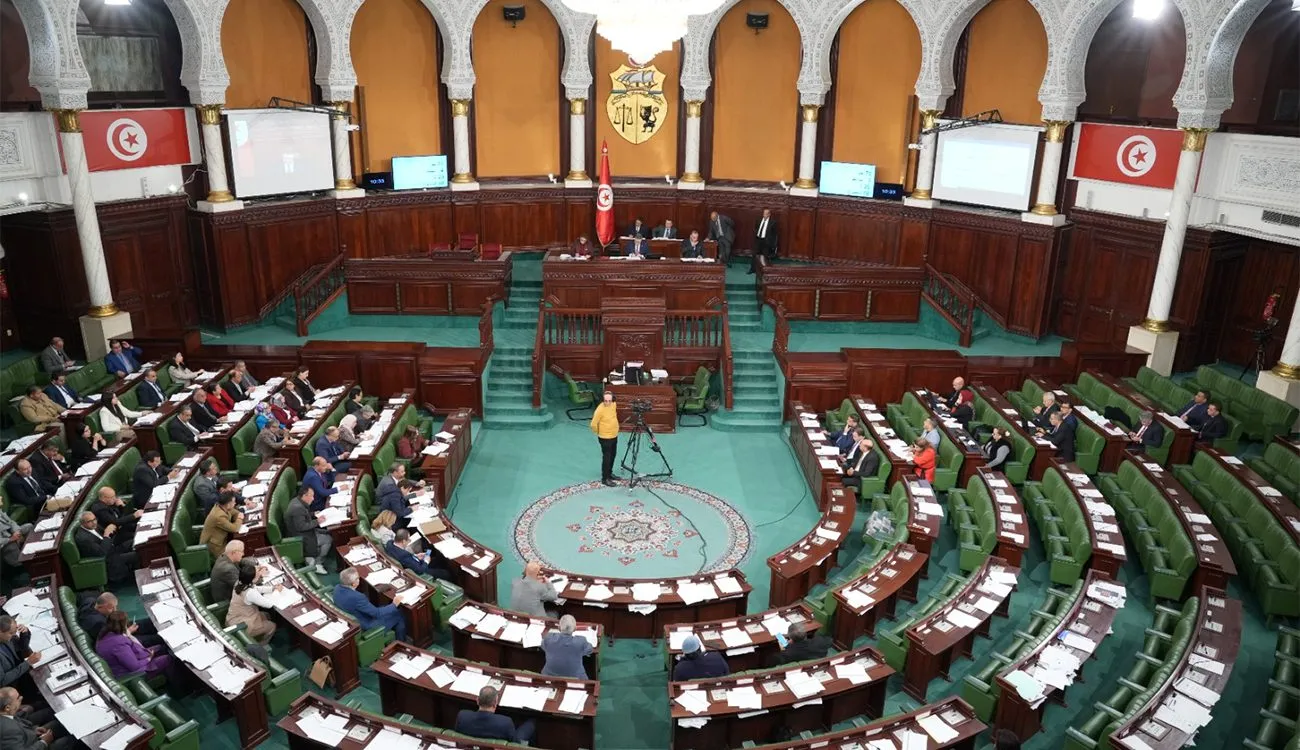
The Commission of Finance and Budget of Tunisia's Assembly of People's Representatives (ARP) began examining the country's 2027 budget and the execution of the 2026 budget until June. The commission's president, Maher Ketari, stated that the 2027 budget preparation is parallel to the 2026-2030 five-year development plan, targeting a 4% growth rate. Achieving this goal requires boosting the industry sector, which has declined over the years.
The industry sector's contribution to the country's Gross Domestic Product (GDP) has decreased from 26% in the early 2000s to 15% currently. Maher Ketari emphasized the need to restore the value of the Tunisian dinar, which has depreciated against other currencies since 2011. The commission also discussed the execution of the 2026 budget, focusing on the Central Bank's facilities to the Treasury, which reached 11 billion dinars.
The commission requested additional information on the allocation of these funds and the guarantees provided by the state to public enterprises when they contract loans. They also sought clarification on the impact of these guarantees on public finances. Furthermore, the commission is awaiting explanations on the repercussions of the rise in oil prices on the budget.
Maher Ketari noted that the absence of a planned increase in fuel prices will help preserve citizens' purchasing power. The minister of finance has been invited to participate in the meetings and present her observations. This stage will precede the debate on the finance bill.
The 2027 budget preparation and the 2026-2030 development plan are crucial for Tunisia's economic growth. The country's economic challenges, including a decline in industry and a depreciation of the dinar, need to be addressed. The commission's examination of the budget and the development plan aims to ensure a comprehensive approach to achieving the 4% growth target.
The ARP's Finance and Budget Commission plays a vital role in scrutinizing the country's budget and development plans. The commission's discussions with the minister of finance and other stakeholders will help shape the country's economic policies. The 2027 budget and the 2026-2030 development plan are expected to have a significant impact on Tunisia's economic future.
The examination of the 2027 budget and the 2026 budget execution is a critical step in Tunisia's economic planning. The ARP's Finance and Budget Commission will continue to discuss and analyze the budget and development plan to ensure that they align with the country's economic goals.
Key points
- The Tunisian government aims to achieve a 4% growth rate through the 2027 budget and the 2026-2030 development plan.
- The industry sector's contribution to GDP has decreased from 26% to 15% over the years.
- The Central Bank provided 11 billion dinars in facilities to the Treasury.