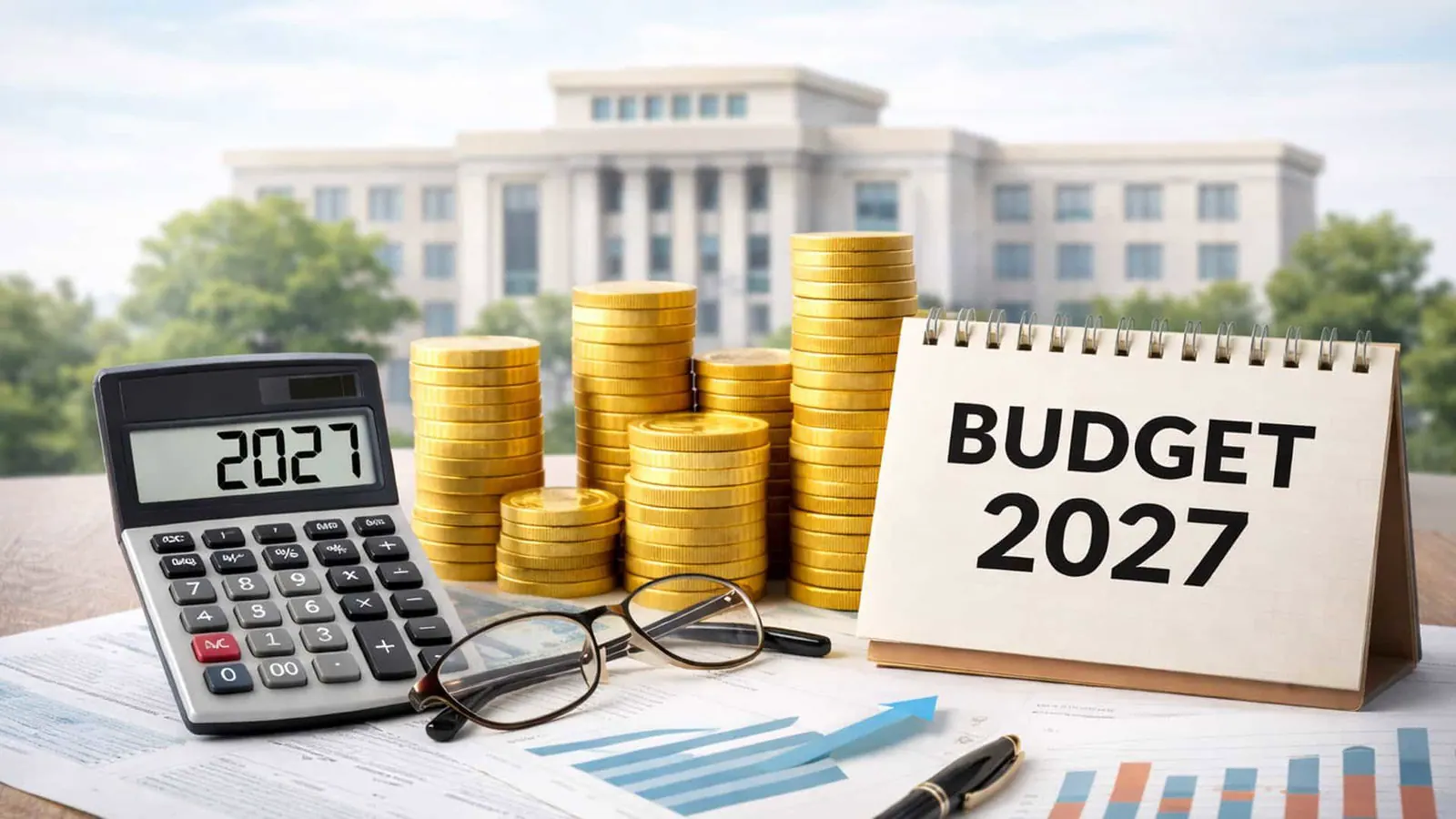
Tunisia is expected to have a more comfortable financial situation in 2027, with a decline in debt service pressures, according to analyst Bassem Enneifer. In an interview with TAP, Enneifer stated that the debt service in 2027 is expected to be lower than in 2026 and closer to the levels seen in 2023. He estimated that the debt service will be around 20 billion dinars. This development is expected to provide Tunisia with a more comfortable financial margin.
The preparation of the 2027 budget and finance bill comes after a difficult year for public finances, according to Enneifer. He attributed this to the repercussions of regional geopolitical developments on hydrocarbon prices, particularly oil and gas, as well as the consequences of the Russian-Ukrainian conflict. The increase in hydrocarbon prices has had a significant impact on Tunisia's fuel compensation bill. Enneifer estimated that the compensation expenses may exceed those inscribed in the 2026 budget.
Enneifer based his estimate of the debt service on the level of domestic debt service expected for this year, which is estimated at around 6.460 billion dinars. This includes 3.043 billion dinars for long-term treasury bonds, around 1.300 billion dinars for short-term treasury bonds, and nearly 1.650 billion dinars for the repayment of national bond loan installments. For external debt, Enneifer expects it to not exceed 5 billion dinars in 2027.
Enneifer emphasized that the 2027 budget assumptions must take into account global developments, particularly those related to oil prices. He suggested retaining a higher Brent oil price for 2027 than used in the 2026 budget assumptions. Enneifer also expects the volume of compensation to increase in the next budget, given the state's social orientations and the maintenance of high prices for certain raw materials, particularly wheat.
On the budget deficit front, Enneifer expects it to be below 6% in 2027, compared to 6.4% expected for this year, according to a Fitch rating agency report. The deficit financing will continue to rely mainly on domestic resources, particularly through continued recourse to domestic borrowing. Enneifer noted that external debt remains difficult to access for budget financing.
Enneifer expects public investment to improve in 2027, particularly through the implementation of projects inscribed in the 2026-2030 five-year development plan. However, he estimates that the volume of public financing dedicated to these projects will not be particularly significant. The 2027 budget and finance bill are part of the second year of implementation of the five-year development plan.
On the tax front, Enneifer does not expect the introduction of new tax measures or new taxes in the 2027 budget. The analyst emphasized that the 2027 budget should focus on correcting accumulated public finance imbalances rather than introducing major measures or changes.
Key points
- The debt service is expected to decline to around 20 billion dinars in 2027.
- The budget deficit is expected to be below 6% in 2027.
- Public investment is expected to improve in 2027.