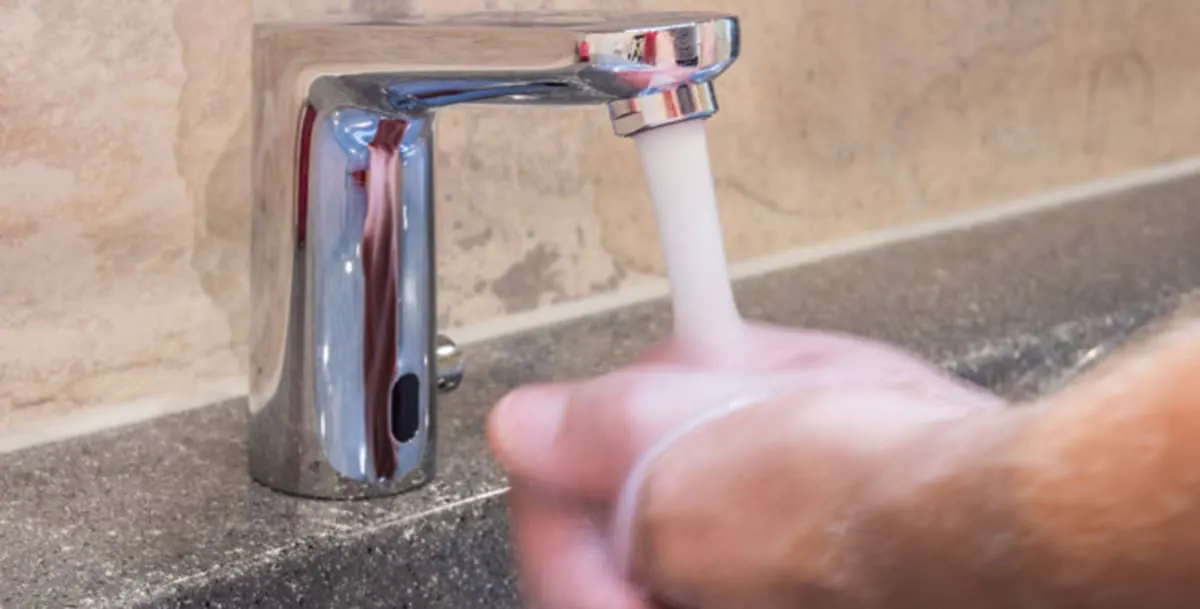
Tunisia's government has outlined plans to strengthen water conservation measures in its 2027 budget proposal. The plan aims to reduce water consumption in public administrations by installing water-saving equipment. This move is part of a broader policy to prioritize food, water, and energy security. The government will also invest in rainwater harvesting infrastructure in ministries and public services. This initiative seeks to promote the reuse of rainwater and reduce pressure on conventional water resources.
The water conservation plan involves installing water-efficient faucets in ministries, public services, and establishments under their supervision. The government will also construct facilities to collect and store rainwater. This approach aligns with a circular issued by the head of government on March 7, 2024. The circular emphasizes the need for water-efficient equipment in public structures, rainwater harvesting, and public awareness campaigns. These efforts aim to rationalize water consumption and reduce waste.
The 2027 budget plan also focuses on mobilizing additional water resources and developing related infrastructure. The government will explore solutions such as seawater desalination and the reuse of treated wastewater. These initiatives aim to supplement existing water resources and ensure a stable supply. The budget plan reflects the government's commitment to sustainable water management and conservation.
The budget plan prioritizes food security by supporting agricultural production, developing storage and distribution chains, and improving productivity. The government aims to stabilize the supply of essential products. The plan also includes continued support for fuel, basic products, and transportation. The government seeks to rationalize subsidy costs while maintaining economic stability.
Employment remains a key priority, with ongoing recruitment in the public sector and special attention to university graduates. The budget plan also focuses on improving the quality of services in healthcare, education, and transportation. These initiatives aim to address pressing social and economic challenges.
The 2027 budget plan reflects a shift in public spending priorities, emphasizing the preservation of resources and projects with direct economic and social impact. The government aims to optimize resource allocation and achieve sustainable development goals. The plan's success will depend on effective implementation and coordination across various sectors.
The budget plan's water conservation measures are crucial for Tunisia's long-term sustainability. The country's water resources are under pressure, and conservation efforts are essential to mitigate this challenge. The government's proactive approach to water management and conservation sets a positive precedent for future development.
Key points
- The 2027 budget plan prioritizes water conservation and food security.
- The government will invest in water-saving equipment and rainwater harvesting infrastructure.
- The plan aims to rationalize water consumption and reduce waste in public administrations.