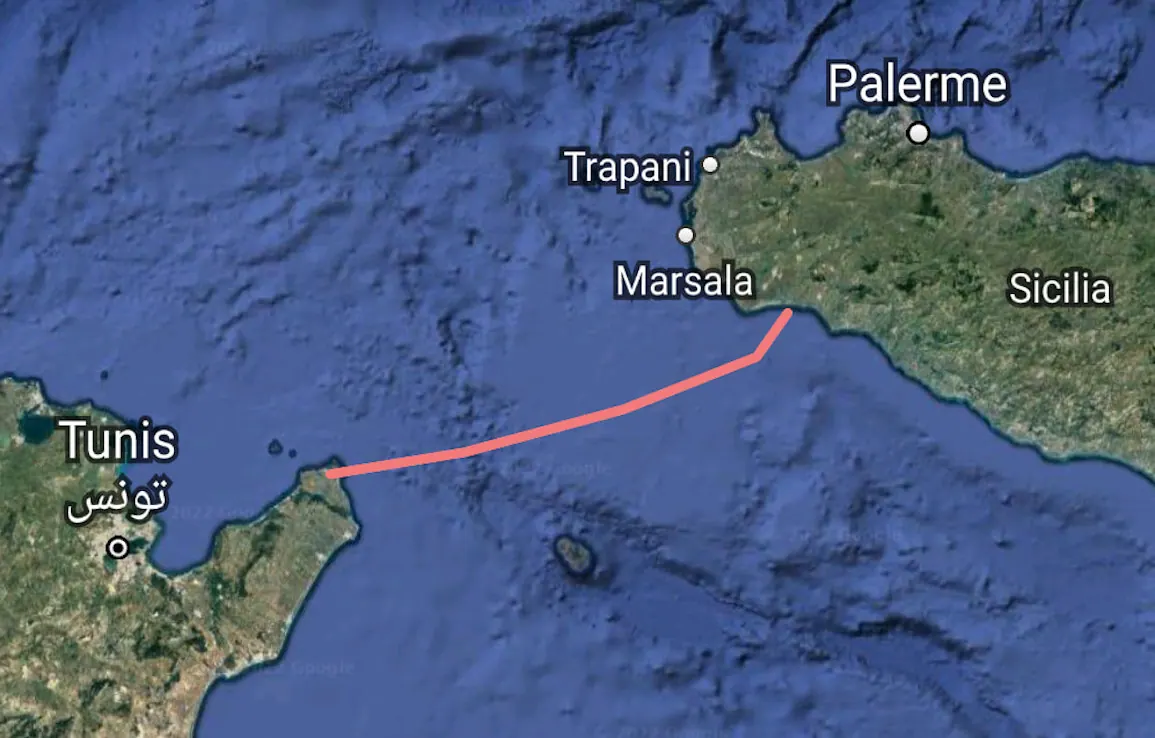
The Tunisian-Italian electricity link project, also known as ELMED, has secured a total of 1.355 billion euros in funding. The project aims to enhance the connection between the Tunisian and European power grids, increase energy exchange, and support the national grid's capacity to meet demand during peak periods. The project involves a 49-kilometer double-line power transmission line that spans across four governorates, including Zaghouan.
The project is being implemented by the Tunisian Company of Electricity and Gas, which is responsible for executing the part of the project related to the construction of the power transmission line within Tunisia. A working session was held at the Zaghouan governorate to review the project's progress and discuss the preparation of a resettlement plan. The plan is crucial for the project's implementation, as it will help mitigate the impact on local communities and ensure that their interests are taken into account.
The working session brought together various stakeholders, including government officials, project managers, and local community representatives. The participants reviewed the project's components, objectives, and progress, as well as the methodology and timeline for preparing the resettlement plan. The plan is expected to be completed soon, paving the way for the project's implementation.
The ELMED project is a significant development for Tunisia's energy sector, as it will enable the country to increase its energy exchange with Europe and enhance its grid capacity. The project is also expected to have a positive impact on the local economy, creating jobs and stimulating economic growth. The Tunisian government has emphasized the importance of the project, which is seen as a key component of the country's energy strategy.
The Zaghouan governorate, where the project is being implemented, has been actively involved in the project's preparation and implementation. The governorate has been working closely with the project team to ensure that the local community is informed and involved in the project's development. The governor, Karim Bairenj, has emphasized the need for coordination among stakeholders to ensure the project's successful implementation.
The project's implementation is expected to have a positive impact on the local community, particularly in terms of job creation and economic growth. The project team has been working to minimize the project's environmental and social impact, and to ensure that the local community benefits from the project's development. The project's resettlement plan will also help mitigate the impact on local communities and ensure that their interests are taken into account.
The ELMED project is a significant milestone in the development of Tunisia's energy sector, and it is expected to have a lasting impact on the country's energy landscape. The project's success will depend on the effective coordination and implementation of the various components, as well as the involvement and support of local communities.
Key points
- The project has secured 1.355 billion euros in funding from various sources, including grants from the European Union and loans.
- The project aims to enhance the connection between the Tunisian and European power grids and increase energy exchange.
- The project involves a 49-kilometer double-line power transmission line that spans across four governorates, including Zaghouan.