The Tunisian Ministry of Agriculture, Water Resources, and Fisheries has initiated a process to update the national list of quarantine pests, which has been in place since 2012. This effort aims to strengthen the country's plant health system and enhance its ability to respond to emerging threats to agricultural production. The update is based on the latest scientific knowledge and international standards in plant protection.
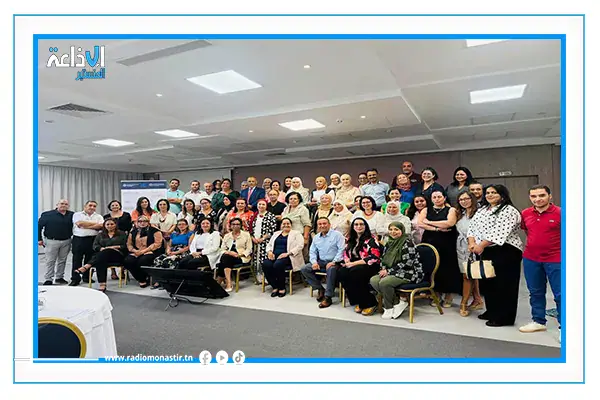
The update process involved over 60 researchers and experts in plant health, as well as representatives from various agricultural sectors. They participated in a workshop organized by the Ministry's General Directorate of Plant Health and Control of Agricultural Inputs, in collaboration with the Research and Higher Education Institute of Agriculture and the Food and Agriculture Organization (FAO) of the United Nations in Tunisia.
The updated list aims to develop tools for monitoring and preventing agricultural pests and to keep pace with evolving biological risks. This will enable early detection of harmful organisms and limit their spread, ultimately supporting the protection of Tunisia's national plant wealth and ensuring sustainable agricultural production.
The update process involves evaluating and classifying harmful organisms according to scientific and technical criteria adopted by the International Convention for the Protection of New Varieties of Plants. Specifically, it involves classifying them into the A1 and A2 lists of quarantine pests, ensuring a scientific approach to identifying risks and assessing their potential impact on the agricultural sector.
This initiative also seeks to enhance coordination and cooperation between research institutions, specialized technical services, and professionals in the agricultural sector. This will contribute to developing national expertise and providing the technical and scientific data needed to support decision-making in plant health.
The updated national list of quarantine pests is expected to strengthen alert and health monitoring mechanisms, improve the ability to anticipate emerging threats, and protect crops from invasive pests. Additionally, it will support the safety of trade exchanges related to plants and plant products.
The Ministry of Agriculture emphasized that this initiative highlights the importance of continuing to develop the national plant health system, relying on scientific research, international cooperation, and the integration of efforts by various stakeholders. This will support the protection of Tunisia's national agricultural production and enhance its ability to respond to plant health risks, moving towards sustainable agriculture that can face emerging challenges.
Key points
- The update process involved over 60 researchers and experts in plant health.
- The updated list aims to develop tools for monitoring and preventing agricultural pests.
- The initiative seeks to enhance coordination and cooperation between research institutions and professionals in the agricultural sector.