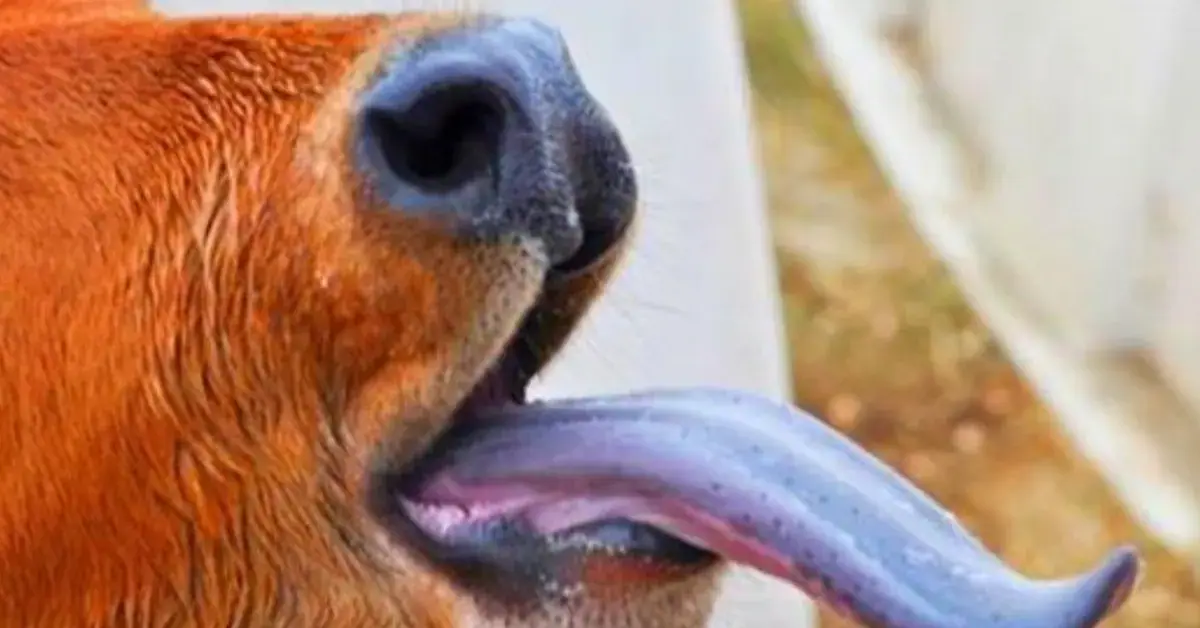
Tunisia's veterinary authorities have reported suspected cases of bluetongue virus in cattle in the governorates of Kef and Jendouba. According to Dr. Raouf Al-Dhawadi, head of the National Council of the Order of Veterinarians, samples were taken from the affected animals and sent to the Tunisian Research Institute of Veterinary Medicine to confirm the infections and identify the viral strain. The bluetongue virus does not directly transmit from one animal to another and does not pose a risk to human health.
The virus primarily affects ruminant animals such as cattle, sheep, and goats. Symptoms include high fever, reduced milk production in dairy cows, nasal discharge, excessive salivation, mouth inflammation, and a bluish discoloration of the tongue. In severe cases, the disease can cause foot inflammation and ulcers, leading to lameness and mobility issues. Dr. Al-Dhawadi emphasized that the virus is transmitted through a specific type of insect vector, Culicoides.
Veterinary authorities have taken necessary precautions and implemented measures to monitor the situation and prevent further spread of the virus. Farmers and breeders are advised to adhere to preventive measures, including cleaning and disinfecting stables, eliminating standing water, and using authorized insecticides after consulting a veterinarian. Early intervention and prompt contact with a veterinarian are crucial in providing necessary care and minimizing the risk of animal mortality.
The National Council of the Order of Veterinarians is working closely with local authorities to contain the outbreak. Dr. Al-Dhawadi stressed the importance of collaboration between veterinarians, farmers, and breeders to prevent the spread of the disease. The council is providing guidance and support to affected farmers and breeders.
The Tunisian Research Institute of Veterinary Medicine is conducting tests to confirm the presence of the bluetongue virus and identify the specific strain. The institute is working closely with international partners to monitor the situation and provide technical assistance. The institute's efforts will help determine the best course of action to control the outbreak.
The expected decrease in temperatures with the change of seasons is expected to reduce the activity of the insect vectors, thereby limiting the spread of the disease. However, Dr. Al-Dhawadi emphasized the need for continued vigilance and adherence to preventive measures to prevent further outbreaks.
The Ministry of Agriculture, Water Resources, and Fisheries has not issued a statement on the outbreak. However, the National Council of the Order of Veterinarians is working closely with the ministry to ensure that all necessary measures are taken to control the outbreak and prevent further spread of the disease.
Key points
- The bluetongue virus does not pose a risk to human health and is primarily transmitted through a specific type of insect vector, Culicoides.
- Veterinary authorities have taken necessary precautions and implemented measures to monitor the situation and prevent further spread of the virus.
- The expected decrease in temperatures with the change of seasons is expected to reduce the activity of the insect vectors, thereby limiting the spread of the disease.