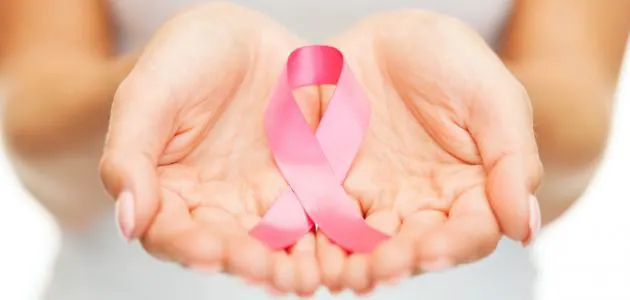
Tunisia is facing a growing challenge with breast cancer, as the country records approximately 4500 new cases every year. This number is expected to increase to around 6000 cases by 2030, according to Dr. Khaled Rahal, head of the Tunisian Association for Breast Cancer Patients. The rise in cases is attributed to the country's demographic changes and an increasing elderly population.
Dr. Rahal emphasized the importance of early detection in improving treatment outcomes and preventing the disease from progressing. He noted that if breast cancer is detected at a very early stage, the chances of recovery can reach 100%, and chemotherapy can often be avoided. The doctor also highlighted that breast cancer is not limited to older age groups, with women under 35 years old accounting for 10-11% of cases in Tunisia.
In comparison, women under 35 years old account for only 2-4% of breast cancer cases in some Western countries. Dr. Rahal stressed the need for women to prioritize regular check-ups, at least once a year, to enable early intervention and prevent the tumor from reaching more critical stages. The financial burden of breast cancer treatment in Tunisia is also significant, with the cost of medications exceeding 200 million dinars annually.
The Tunisian Association for Breast Cancer Patients, led by Dr. Rahal, is working to raise awareness about the importance of early detection and prevention. The association organizes various activities, including health fairs and screening campaigns, which have contributed to the detection of breast cancer cases in their early stages. According to the association's general secretary, Malak Boudarbala, for every 100 women screened, around 15 cases of breast cancer are detected.
The association is intensifying its efforts during the month of October, known as "Pink October," to promote breast cancer awareness and encourage women to undergo regular check-ups. The organization also provides financial support to patients with white or yellow treatment cards and offers psychological care to women with breast cancer. Boudarbala emphasized the importance of providing emotional support to patients and accompanying them throughout their treatment journey.
The association's activities extend beyond October, with around 10 health fairs organized annually to promote early detection and screening in different regions of Tunisia. The organization also conducts screening campaigns in public and private institutions, highlighting that its efforts are not limited to a specific month but continue throughout the year.
The event, which took place at the Nahli Park in Tunis, was attended by French Ambassador to Tunisia, Anne Guigen, and participants from various civil society organizations and the "Klnan Nemsheu" walking club. The event aimed to promote a healthy lifestyle, encourage physical activity, and raise awareness about breast cancer prevention and early detection.
Key points
- - Tunisia records around 4500 new breast cancer cases annually, with numbers expected to rise to 6000 by 2030. - Early detection is crucial in improving treatment outcomes and preventing the disease from progressing. - The Tunisian Association for Breast Cancer Patients is working to raise awareness and promote early detection through various activities and campaigns.