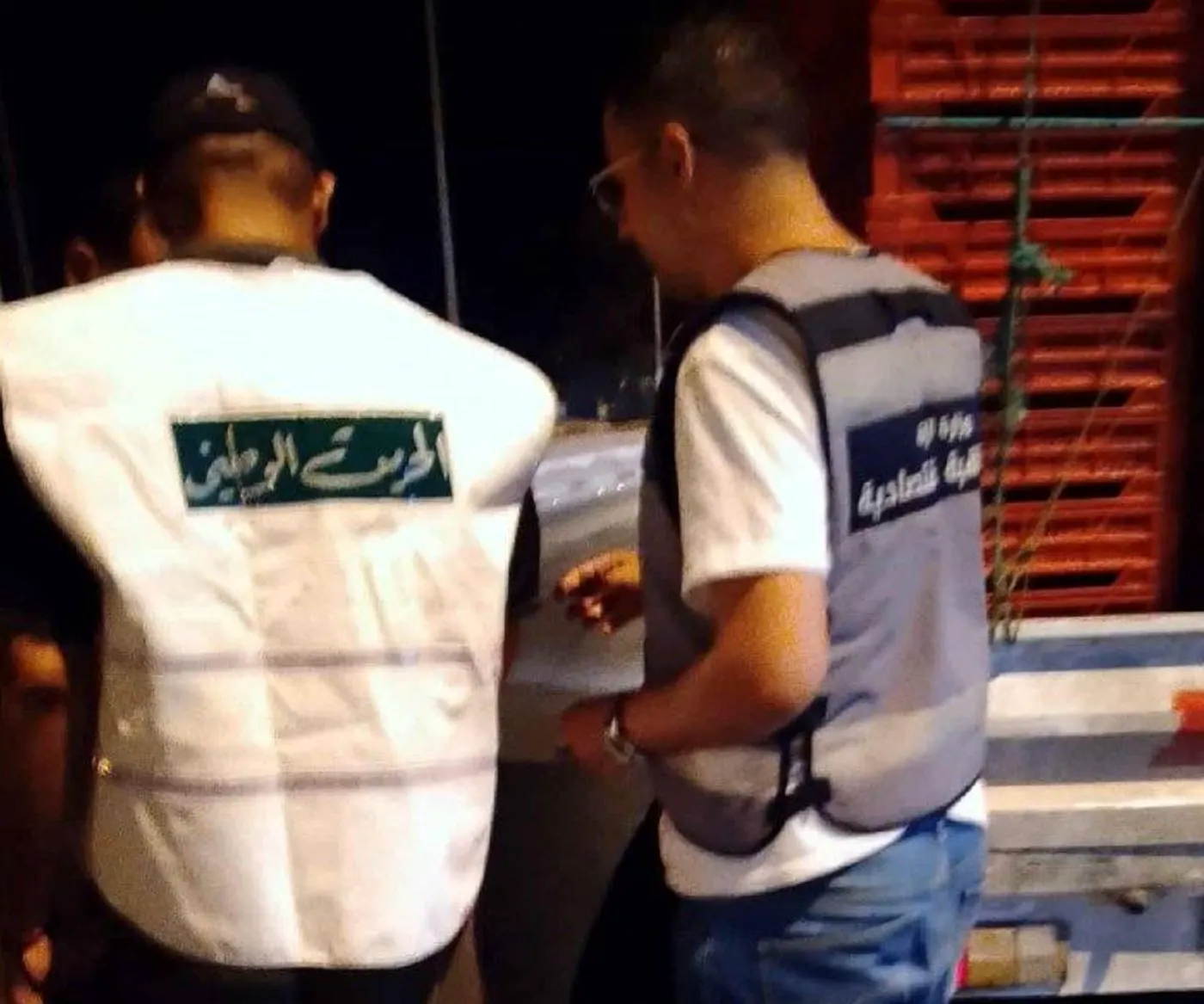
The Tunisian Ministry of Trade and Development of Exports has reported a significant number of economic infractions during the first 15 days of September 2026. A total of 3879 infractions were recorded by the economic control services. These infractions cover various areas, including price overruns and speculative practices, transparency of transactions, quality and metrology practices, and diversion of subsidized products. The large number of infractions indicates a challenging environment for economic control and regulation in Tunisia.
The majority of the recorded infractions relate to transparency of transactions (1959 cases) and price overruns and speculative practices (1178 cases). Additionally, 734 infractions concerned quality and metrology practices, while 8 cases involved the diversion of subsidized products. These numbers suggest that the most significant challenges lie in ensuring transparent transactions and controlling prices. The authorities have been working to address these issues through increased monitoring and control.
According to the Ministry of Trade and Development of Exports, a total of 1198 control teams carried out 26,741 visits during the period from September 1-15, 2026. These visits led to the seizure of various products, including 21 tonnes of subsidized cereal products, 57 tonnes of fruits and vegetables, and 239 kg of poultry meat. The control teams also confiscated other products, such as 324 liters of milk and 400 kg of sugar.
The control teams also seized 3.9 tonnes of fodder, 59,537 subsidized notebooks, 9121 school supplies, and 13,783 packs of tobacco. Furthermore, they confiscated 129,000 liters of mineral water. The large quantities of seized products indicate the scale of the economic infractions and the efforts of the authorities to combat them.
The Ministry of Trade and Development of Exports also reported that since the beginning of August 2026, over 986 infractions have been recorded concerning mineral water. This suggests that the issue of mineral water infractions has been a persistent problem in recent months. The authorities have been working to address this issue through increased monitoring and control.
The Tunisian government has been working to strengthen its economic control and regulatory frameworks to address the challenges posed by these infractions. The Ministry of Trade and Development of Exports plays a crucial role in this effort, working to ensure that economic activities are carried out in a fair and transparent manner. The authorities have been taking steps to improve the business environment and promote economic growth.
The large number of economic infractions recorded in Tunisia highlights the need for continued efforts to strengthen economic control and regulation. The authorities must work to address the root causes of these infractions and ensure that economic activities are carried out in a fair and transparent manner. This will help to promote economic growth and stability in Tunisia.
Key points
- A total of 3879 economic infractions were recorded in Tunisia from September 1-15, 2026.
- The majority of the recorded infractions relate to transparency of transactions and price overruns and speculative practices.
- The authorities seized large quantities of products, including subsidized cereal products, fruits and vegetables, and mineral water, during the period.