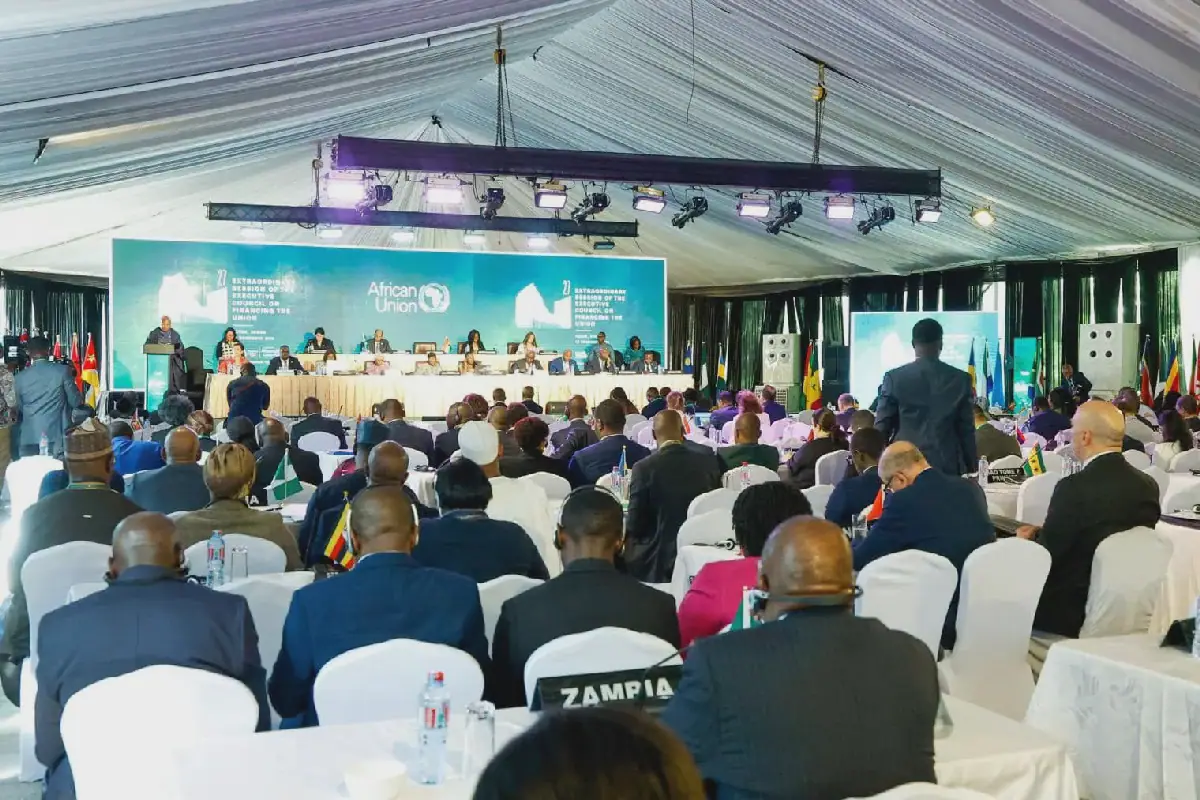
Tunisia has reaffirmed its commitment to reforming the financial and institutional framework of the African Union. The country's Foreign Minister, Mohamed Ali Nafti, led the Tunisian delegation at the 27th extraordinary session of the African Union's Executive Council, held in Accra, Ghana, on November 13, 2026. The session focused on the financial situation of the African Union and approaches to ensure sustainable financing for its institutions and programs.
During his address, Minister Nafti emphasized Tunisia's support for the reform process, as part of its membership in the Presidential Committee overseeing the institutional reform of the organization. He highlighted the importance of providing the African Union with the necessary resources to implement its activities and programs, ensuring financial independence. This, he noted, would enable the Union to carry out its roles in areas such as peace and security, continental integration, and sustainable development.
Minister Nafti stressed the need for a realistic and balanced approach to addressing the financial challenges facing the organization. This approach should consider the economic and financial capabilities of member states and their varying capacities. He also emphasized the importance of preserving the agreements reached on member states' contributions to the African Union's budget and Peace Fund for the period 2027-2029.
The Tunisian Foreign Minister expressed his country's principled support for proposals aimed at mobilizing new resources for the organization. However, he emphasized the need for in-depth studies and comprehensive assessments of their financial, economic, and institutional implications. He also stressed the importance of deepening consultations on these proposals within the relevant structures of the African Union and at the national level.
Minister Nafti reiterated Tunisia's commitment to contributing constructively to the reform process of the African Union's financing system. He emphasized the need for a consensual approach based on shared responsibility, respect for the sovereignty of states, and good governance. This approach, he noted, would enhance the African Union's capacity to achieve the aspirations of African peoples in terms of security, stability, and development.
The African Union's Executive Council session aimed to address the financial challenges facing the organization and explore ways to ensure sustainable financing for its institutions and programs. The session brought together ministers from member states to discuss the financial situation and potential solutions. Tunisia's participation in the session reflects its commitment to supporting the African Union's reform process and promoting continental integration.
The outcome of the session is expected to contribute to the African Union's efforts to strengthen its financial and institutional framework. The organization's ability to achieve its objectives depends on its capacity to mobilize resources and ensure financial independence. Tunisia's reaffirmation of its commitment to the reform process is seen as a positive step towards achieving these goals.
Key points
- Tunisia's Foreign Minister, Mohamed Ali Nafti, emphasized the country's commitment to supporting the African Union's reform process.
- The African Union's Executive Council session focused on addressing the financial challenges facing the organization.
- Tunisia stressed the importance of a realistic and balanced approach to addressing the financial challenges facing the African Union.
Reporting sources
- Radio Monastir · Radio Monastir