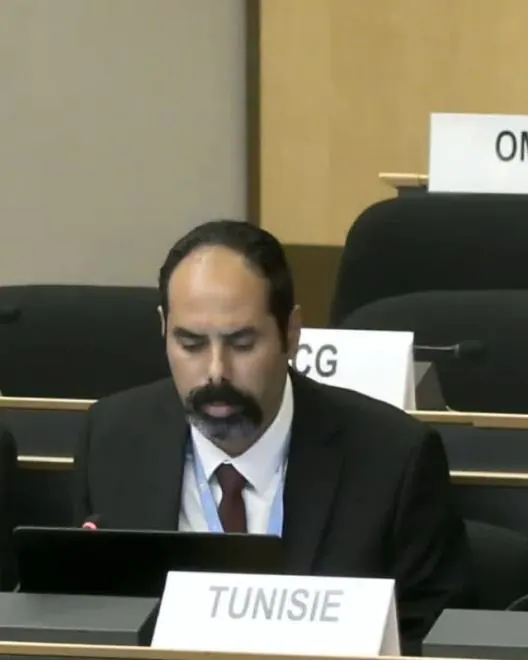
Tunisia's Permanent Mission to the United Nations in Geneva has reaffirmed the country's commitment to continuing its constructive cooperation with UN human rights mechanisms and bodies. This statement was made during the general debate of the Human Rights Council under item 5 of its agenda, concerning human rights bodies and mechanisms, at its 63rd session. The mission emphasized the importance of adhering to the principles of neutrality, independence, and objectivity in human rights mechanisms.
The mission highlighted the need for human rights mechanisms to avoid politicization and selectivity, and to focus on building constructive relationships. These conditions are seen as essential for establishing a climate of trust and achieving the desired goals of these mechanisms. Tunisia has been actively engaged with various human rights bodies, submitting its national reports regularly and on time. The country has also undergone reviews within the Universal Periodic Review mechanism and committees on the rights of persons with disabilities, the elimination of discrimination against women, and the fight against racial discrimination.
Tunisia's Permanent Mission expressed appreciation for the role of human rights mechanisms in protecting and promoting human rights, as well as fostering a culture of human rights globally. These mechanisms provide technical advice to member states to support their efforts to develop their human rights systems, based on their requests and needs. The mission also expressed support for Francesca Albanese, the Special Rapporteur on the situation of human rights in the occupied Palestinian territories, in the face of the hostile campaign she faces from the occupying entity and her rejection of retaliatory measures against her.
The mission's statement reflects Tunisia's ongoing commitment to human rights and its cooperation with international mechanisms. This engagement demonstrates the country's dedication to promoting and protecting human rights, both domestically and internationally. Tunisia's participation in the Human Rights Council and its various mechanisms underscores its desire to contribute to global efforts to advance human rights.
The Universal Periodic Review mechanism has been an important platform for Tunisia to engage with the international community on human rights issues. The country's active participation in this process reflects its commitment to transparency and accountability in human rights. By submitting its national reports and engaging with various committees, Tunisia has demonstrated its willingness to cooperate with international human rights mechanisms.
The support expressed for Francesca Albanese, the Special Rapporteur on the situation of human rights in the occupied Palestinian territories, highlights Tunisia's commitment to defending human rights defenders. The country has rejected retaliatory measures against her, emphasizing its respect for her mandate and the importance of her work in promoting human rights in the occupied territories.
Tunisia's engagement with human rights mechanisms is part of its broader commitment to promoting and protecting human rights. The country's cooperation with international mechanisms reflects its recognition of the importance of human rights in promoting stability, security, and development. By working with international partners, Tunisia aims to strengthen its human rights system and promote a culture of human rights.
Key points
- Tunisia reaffirms its commitment to cooperation with UN human rights mechanisms and bodies.
- The country emphasizes the importance of neutrality, independence, and objectivity in human rights mechanisms.
- Tunisia expresses support for Francesca Albanese, the Special Rapporteur on the situation of human rights in the occupied Palestinian territories.