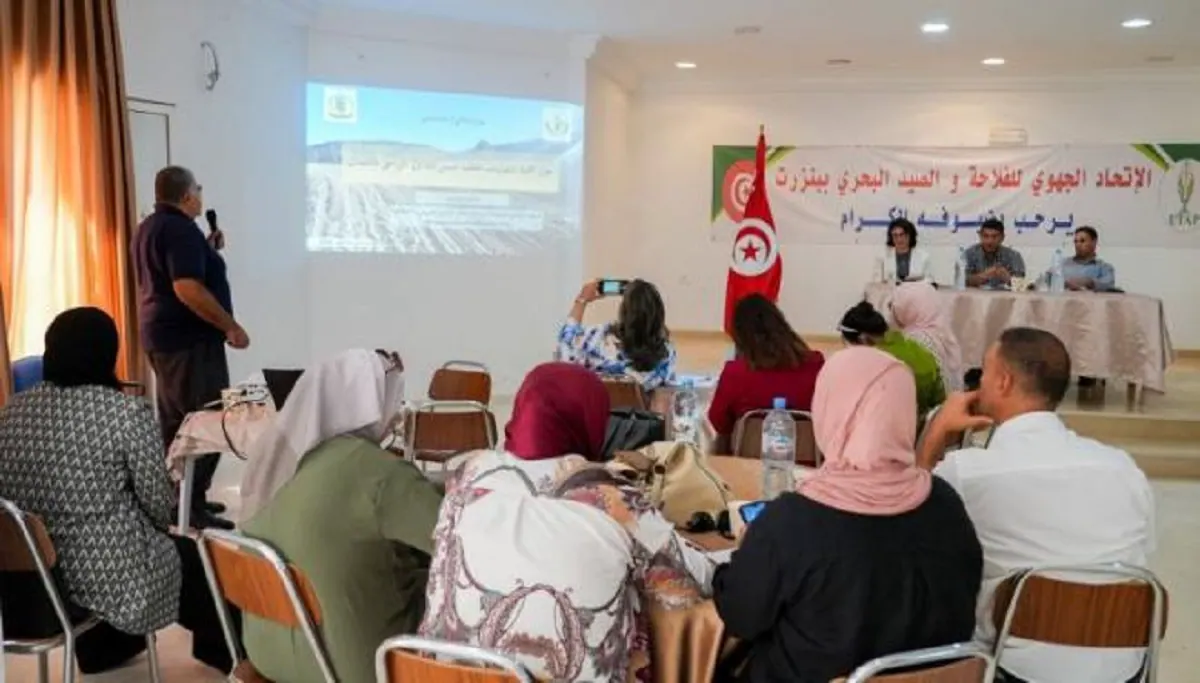
A regional information day was held in Bizerte, Tunisia, to discuss the importance of legume cultivation for soil fertility and sustainable production. The event, organized by the General Directorate of Agricultural Production (DGPA), the Bizerte Regional Union of Agriculture and Fisheries (URAP), and the Regional Agricultural Development Commission (CRDA), brought together regional administrative and professional representatives, experts from specialized research institutes, and numerous farmers. The meeting aimed to highlight the crucial role of legumes in improving soil fertility, supporting productivity, and animal nutrition.
The discussions focused on reinforcing the position of legumes in crop rotation and showcasing the significant impact of legume forages and food products on soil fertility and animal feed. Participants emphasized the need to revive the national strategy for promoting legumes, which can help improve agricultural productivity and sustainability. By promoting legume cultivation, Tunisian farmers can reduce their reliance on imported fertilizers and enhance the country's agricultural resilience.
Ensuring a timely supply of fertilizers was another key topic addressed during the meeting. Participants stressed the importance of guaranteeing fertilizer availability within the required timeframe to support farmers in maintaining their agricultural activities. This is particularly crucial for legume cultivation, which requires adequate nutrients to thrive.
The event provided a platform for farmers to express their concerns, share experiences, and engage in direct dialogue with stakeholders. By fostering coordination among various actors, the meeting aimed to develop the legume sector and consolidate sustainable agricultural systems. This initiative aligns with Tunisia's efforts to promote agricultural development and enhance food security.
The Tunisian Union of Agriculture and Fisheries (UTAP) reported that the meeting was attended by representatives from regional administrative and professional structures, experts from specialized research institutes, such as the National Institute of Agronomic Research (INRAT) and the National Institute of Grain Conservation (INGC), and a large number of farmers. The participation of various stakeholders underscores the importance of collaboration in promoting legume cultivation and sustainable agriculture.
The discussions also highlighted the potential benefits of legume cultivation, including improved soil fertility, increased crop yields, and enhanced animal nutrition. By promoting legume production, Tunisia can reduce its reliance on imported agricultural products and enhance its agricultural self-sufficiency. This, in turn, can contribute to the country's economic development and food security.
The recommendations from the meeting will likely inform policy decisions and guide future initiatives aimed at promoting legume cultivation and ensuring fertilizer security in Tunisia. By implementing these recommendations, the country can make significant strides in sustainable agriculture and agricultural development, ultimately enhancing the livelihoods of farmers and the overall agricultural sector.
Key points
- Tunisia's agricultural sector is promoting legume cultivation to improve soil fertility and sustainable production.
- A regional meeting in Bizerte emphasized the need to revive the national strategy for promoting legumes.
- Ensuring timely fertilizer supplies is crucial for supporting farmers and maintaining agricultural activities.