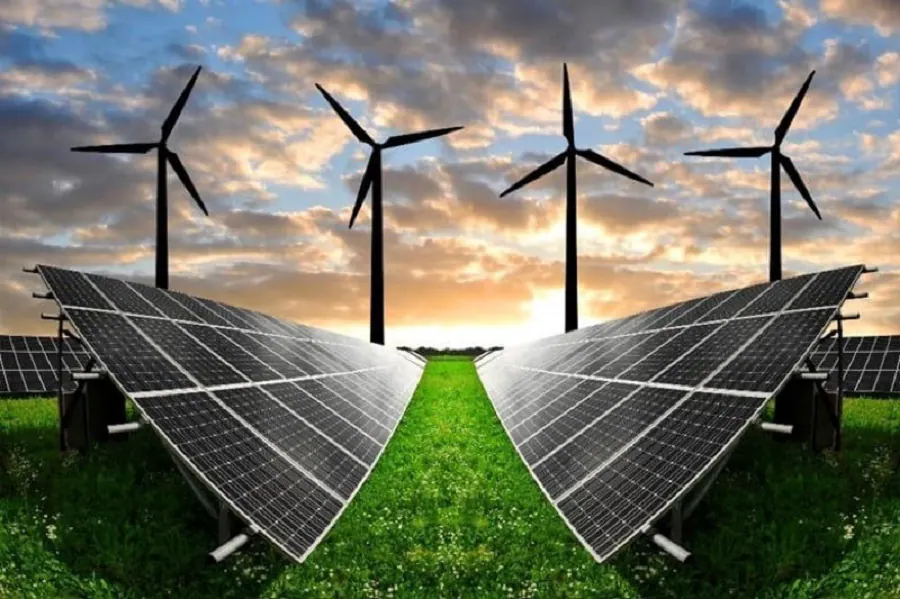
Tunisia has made a significant shift in its energy policy, prioritizing the development of renewable energy and energy efficiency to reduce its reliance on imports. The country's energy sector has long been plagued by a structural deficit and heavy dependence on imported energy. According to Secretary of State for Energy Transition Wael Chouchene, the government aims to address this issue through a two-pronged approach: accelerating the development of renewable energy and reducing consumption through energy efficiency.
The development of renewable energy and energy efficiency are seen as complementary pillars in transforming Tunisia's energy system. Chouchene emphasized that the goal goes beyond simply increasing production capacity, but also involves limiting consumption and reducing the pressure exerted by energy imports. This transformation is not only an energy challenge but also an economic one, with the potential to boost Tunisia's attractiveness, improve industrial competitiveness, and create jobs and value-added opportunities in various regions.
The second edition of the Ifriqiya Energy Hub, held on September 23-24 in Tunis, provided a platform for Chouchene to outline the government's vision for the energy sector. The event brought together stakeholders to discuss the latest developments and opportunities in the field of renewable energy and energy efficiency. By promoting dialogue and collaboration, the government hopes to create a more favorable environment for investment and innovation in the energy sector.
Tunisia's energy deficit has significant implications for the country's economy, with a substantial impact on its trade balance. According to recent data, the country's trade deficit reached approximately 17.9 billion dinars. The government's efforts to reduce energy imports are expected to have a positive impact on the balance of payments and help mitigate the economic challenges facing the country.
The development of renewable energy in Tunisia has gained momentum in recent years, with several projects underway to increase the country's production capacity. The government aims to create a more diversified energy mix, with a greater share of renewable energy sources. This will not only reduce dependence on imports but also contribute to a more sustainable and environmentally friendly energy sector.
Improving energy efficiency is also a key component of Tunisia's energy strategy. The government plans to implement measures to reduce energy consumption in various sectors, including industry and transportation. This will involve the adoption of new technologies and practices, as well as public awareness campaigns to promote energy-saving behaviors.
The success of Tunisia's energy transition will depend on various factors, including the level of investment and international cooperation. The government has already attracted significant investment in the energy sector, including a 70-million-dinar project by German group Knauf to establish a gypsum processing unit in Tataouine. With the right policies and partnerships in place, Tunisia is well-positioned to achieve its energy goals and create a more sustainable future.
Key points
- Tunisia aims to reduce its dependence on energy imports through renewable energy and efficiency measures.
- The government plans to promote dialogue and collaboration to create a favorable environment for investment and innovation in the energy sector.
- The energy transition is expected to have a positive impact on Tunisia's economy, including improved competitiveness and job creation.