Tunisia is prioritizing energy transition as a key strategy to address its structural energy deficit and heavy reliance on imports. The country's Secretary of State for Energy Transition, Wael Chouchene, emphasized this focus at the opening of the second edition of the Ifriqiya Energy Hub (IEH 2026) in Tunis. Chouchene highlighted that the energy sector has become a crucial determinant of economic sovereignty, industrial competitiveness, and the ability to attract investments.
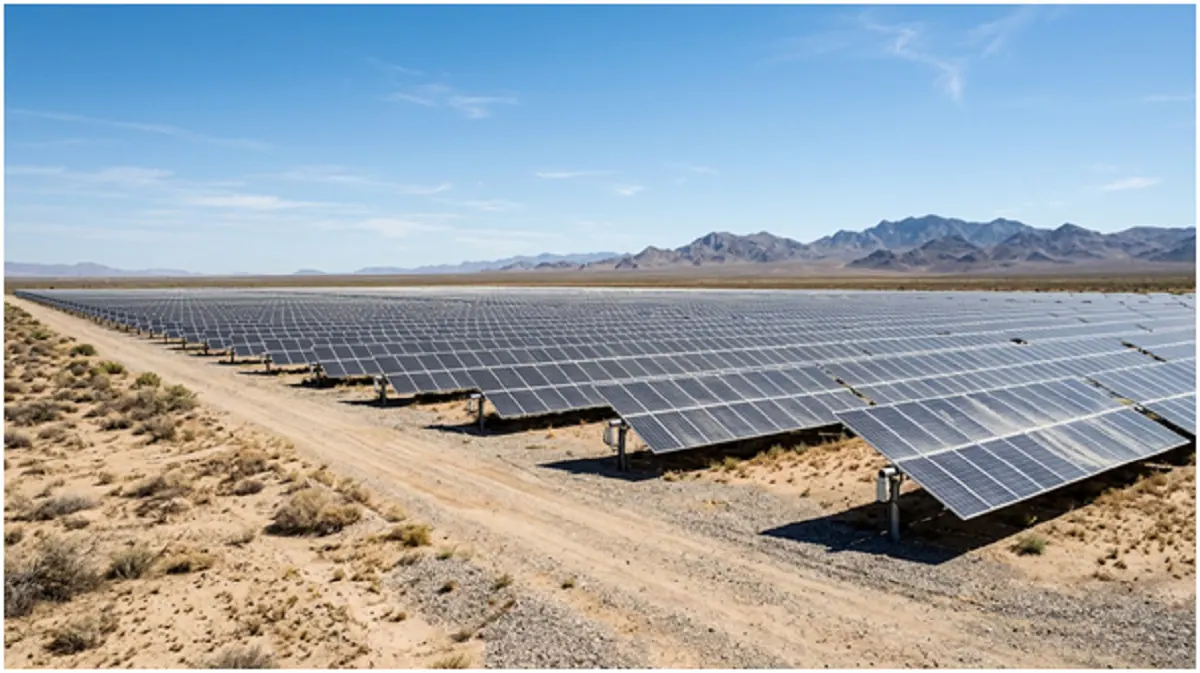
Chouchene noted that the global energy landscape is undergoing significant transformations due to geopolitical developments, market volatility, climate commitments, and technological innovations. In response, Tunisia is pursuing a gradual transformation of its energy system, based on two complementary pillars: developing renewable energies and promoting energy efficiency. The goal is to make this energy transition a driving force for economic development, enhancing the country's attractiveness, supporting industrial competitiveness, and creating value-added jobs.
The energy transition in Tunisia requires substantial investments in production capacities, networks, infrastructure, storage solutions, and new technologies. Chouchene stressed that mobilizing these investments necessitates close cooperation between public authorities, businesses, financial institutions, and technical partners, as well as clear regulatory frameworks and adapted financing mechanisms. The Ifriqiya Energy Hub aims to facilitate dialogue among energy stakeholders, promoting experience sharing and new cooperation opportunities.
Rania Marzougui, Delegate Administrator of the Tunisian Petroleum Activities Company (ETAP) and Head of the Hydrocarbons Directorate at the Ministry of Industry, emphasized that energy security can no longer rely on a single lever. Instead, it requires diversifying energy sources, developing national production, improving energy efficiency, and strengthening infrastructure. Marzougui highlighted Tunisia's favorable institutional framework, with ETAP playing a central role in developing national resources and the Hydrocarbons Directorate working to create a transparent and investment-friendly environment.
Tunisia aims to leverage its strategic location in the Mediterranean to strengthen its role as a regional energy platform. Marzougui noted that the participation of several African and Arab countries in the Ifriqiya Energy Hub reflects the country's desire to consolidate cooperation and bring together markets and expertise. The goal is to translate ambitions into concrete projects, relying on trust, partnerships, innovation, and technology to create a safer, more competitive, and sustainable energy future.
The second edition of the Ifriqiya Energy Hub 2026, organized by the Tunisian Energy Professionals Association (TENS) in partnership with ETAP and the National Energy Management Agency (ANME), focuses on leadership and cooperation for a safe and sustainable energy future. The event addresses energy security, diversification, and good governance, including the development of research and exploration activities, accelerating the transition to clean energies, and strengthening interconnections with Europe and neighboring countries.
The Ifriqiya Energy Hub also emphasizes African cooperation, promoting cross-border electricity networks, renewable energy projects, and sharing best practices in the renewable energy sector. The goal is to construct a unified and active African voice on the global energy stage. By prioritizing energy transition and cooperation, Tunisia aims to address its energy challenges and create a more sustainable and competitive energy future.
Key points
- Tunisia's energy transition strategy focuses on developing renewable energies and promoting energy efficiency to address its structural energy deficit and reliance on imports.