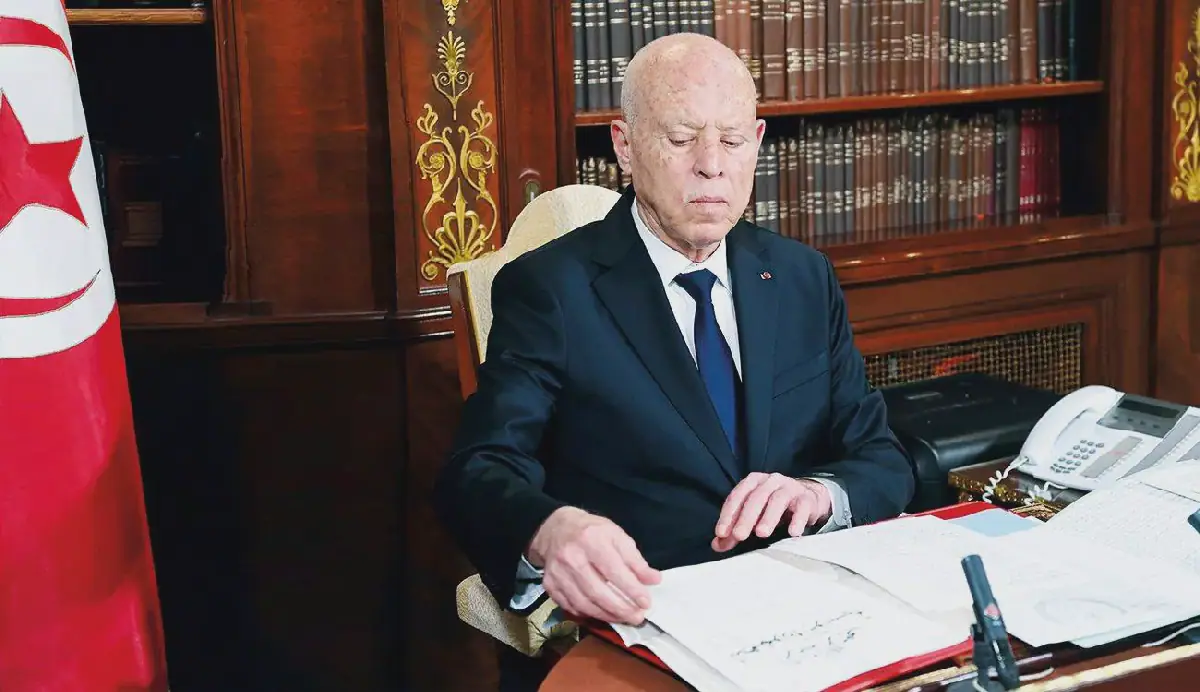
The Tunisian government is moving forward with plans to establish a post office bank, a key component of President Kais Saied's national development program. The project aims to promote financial inclusion and provide better access to banking services, particularly in underserved areas. With over 1,200 post offices across the country, the government believes this network can be leveraged to offer a range of financial services. The initiative is seen as crucial for promoting socio-economic development and reducing regional disparities.
The project was first announced on March 12, 2026, with the goal of creating a new financial architecture that promotes balance and inclusion. The government wants to provide financial services to areas that have long been excluded from traditional banking services. However, despite its importance, the project has been slow to materialize. The Minister of Communication Technology has stated that several scenarios are being studied, and new legislation and regulations will be needed to move forward.
The government is considering a new model for banking institutions, rather than completely overhauling the current postal system. This approach is seen as more practical, given the complexities of banking regulations. However, some critics argue that this cautious approach may be excessive, given the growing international trend towards using postal services to provide financial inclusion.
International experience has shown that post office banks can be effective in expanding access to financial services in underserved areas. Countries such as Morocco have successfully transformed their postal systems into full-fledged banking institutions, with a focus on serving rural populations. Morocco's experience is cited as a model for financial inclusion, and Tunisia is seen as having the potential to achieve similar success.
The post office bank project is seen as a key component of Tunisia's efforts to promote financial inclusion and reduce poverty. By providing access to financial services, the government hopes to reduce reliance on informal markets and promote economic growth. The project is also expected to promote good governance and balance social and financial objectives.
Despite the potential benefits, the project faces challenges, including the need for new legislation and regulations. The government must also ensure that the new institution is financially viable and able to operate sustainably. However, with the right approach and support, the post office bank project could make a significant contribution to Tunisia's economic development.
The success of the post office bank project will depend on various factors, including the government's ability to implement the necessary reforms and regulations. Additionally, the project will require adequate funding and technical support to ensure its sustainability. If successful, the project could serve as a model for other countries in the region and help to promote financial inclusion and economic growth.
Key points
- The Tunisian government aims to establish a post office bank to expand financial services to underserved areas and promote financial inclusion.
Reporting sources
- Projet de création d’une banque postale : Mieux servir la « bancarisation de masse » · La Presse de Tunisie