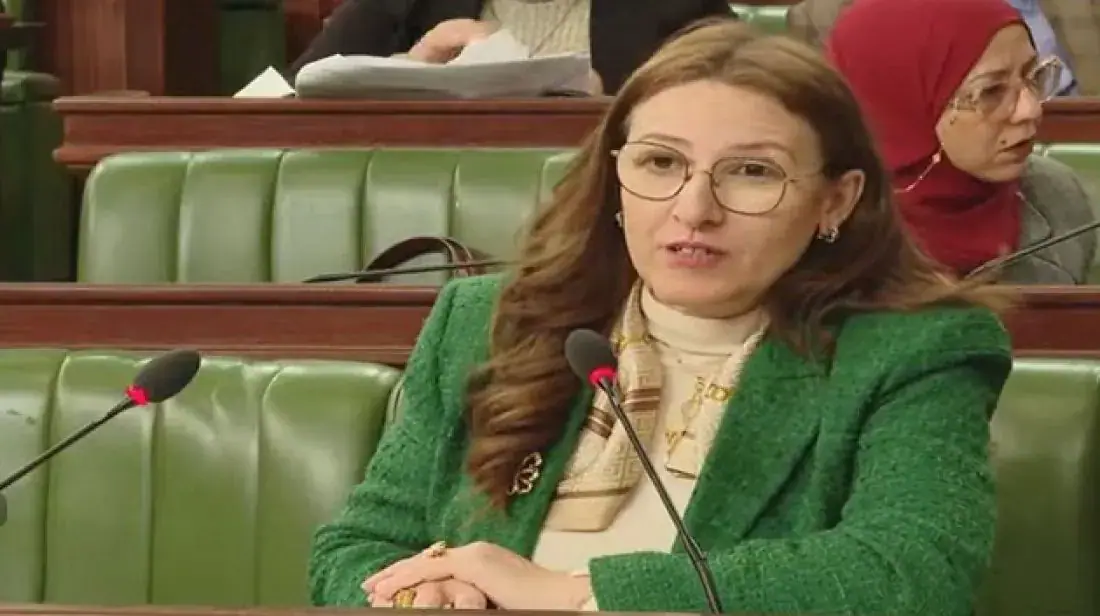
Tunisia's Finance Minister, Mechka Salame Khaldi, announced on Thursday that the country plans to hire and regularize 32,557 personnel in 2027. This move is part of the government's efforts to address employment needs and improve public services. The announcement was made during a presentation of the state's budget project for 2027 to the Finance and Budget Committees of the House of People's Representatives and the National Council of Regions and Districts.
The estimated recruitment and regularization costs are included in the state's budget for 2027, which allocates around 27,349 million dinars for employment expenses. This represents 13.2% of the country's Gross Domestic Product (GDP) and constitutes the largest portion of the state's budget expenditures. The minister attributed the increase in employment expenses to the implementation of salary increases approved for 2026, 2027, and 2028.
The salary increases are part of a broader effort to support economic growth and social development. The government aims to promote job creation, particularly for holders of advanced degrees. The minister stated that the state will continue to open up job opportunities in the public sector, especially for those with high qualifications. Additionally, the government plans to implement a program to recruit doctoral degree holders and regularize the status of the remaining pre-university education workers.
The preparation of the 2027 state budget project was based on achieving a balance between financial sustainability requirements and promoting economic and social growth. The government aims to adopt policies that enhance public financial solidity and support comprehensive development. The minister emphasized that the government's priorities include improving resource mobilization, continuing tax system reform, and rationalizing public spending.
On the social front, the government's priorities include continuing to support low-income groups, providing subsidies for fuel, basic goods, and public transportation, and improving access to basic services. The government also aims to continue reforming the health and social security sectors. These efforts are designed to address the needs of various segments of society and promote social justice.
In terms of development, the government's priorities focus on improving the investment climate, promoting regional development, supporting food and water security, accelerating the energy transition, and supporting digital transformation. These initiatives aim to stimulate economic growth, create job opportunities, and improve the standard of living for Tunisian citizens.
The government remains committed to controlling public debt and ensuring its sustainability. The minister emphasized that the state will continue to implement policies aimed at enhancing financial solidity and promoting economic growth. The 2027 budget project reflects the government's efforts to address the country's challenges and promote sustainable development.
Key points
- The Tunisian government plans to hire and regularize 32,557 personnel in 2027.
- The state's budget for 2027 allocates 27,349 million dinars for employment expenses, representing 13.2% of the country's GDP.
- The government's priorities include promoting job creation, supporting low-income groups, and improving access to basic services.