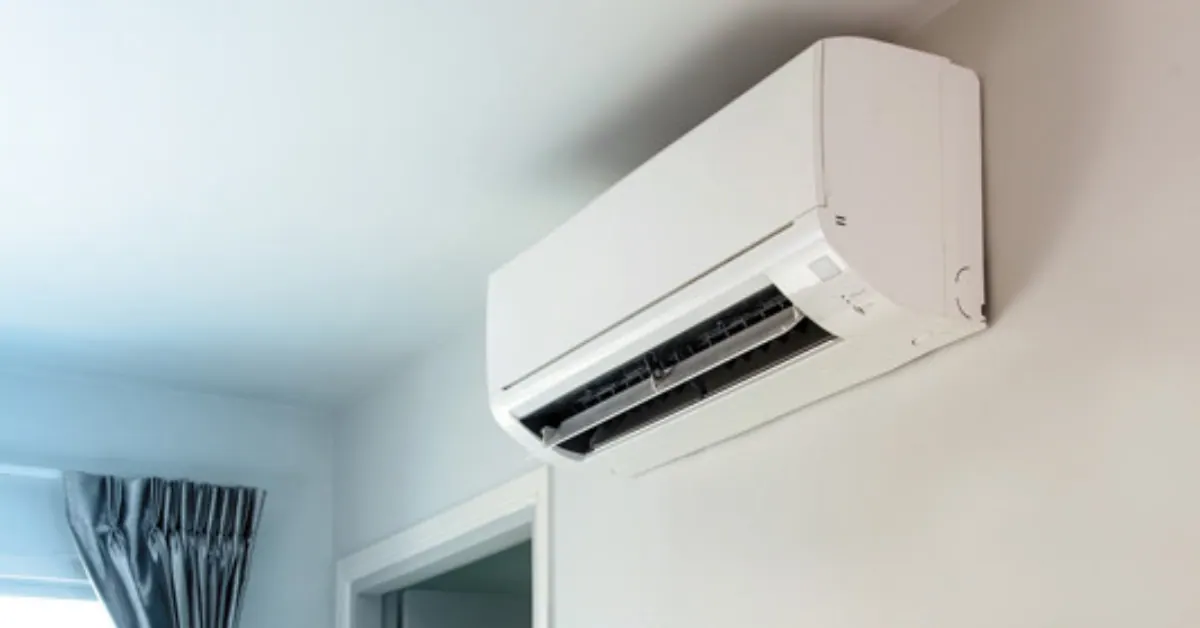
Tunisia is planning to adopt new cooling systems by 2030, which will use non-polluting gases and reduce energy consumption during the summer months. The new systems are expected to decrease energy consumption by the equivalent of 600,000 air conditioners currently in use. The country has over 4 million air conditioners, which have put significant pressure on the power grid.
The Tunisian Minister of Environment, Habib Obaid, recently stated that the country has over 4 million air conditioners in use. He emphasized the need to adopt new, more energy-efficient cooling systems that protect the ozone layer and reduce energy consumption by at least 15%. The new systems will help reduce the strain on the power grid during peak summer months.
The adoption of new cooling systems is part of Tunisia's efforts to reduce its energy consumption and mitigate the impact of air conditioners on the power grid. The country's power grid has faced significant pressure during peak summer months, leading to calls for energy conservation. The new systems will not only reduce energy consumption but also help protect the ozone layer.
The new cooling systems will be a key component of Tunisia's energy management strategy in the coming years. The country's commitment to adopting more energy-efficient cooling systems is driven by both environmental and economic considerations. The transition to new systems will be gradual, with a focus on reducing the impact of air conditioners on the power grid.
Tunisia celebrated the International Day for the Preservation of the Ozone Layer on September 16, which this year coincided with the 10th anniversary of the Kigali Amendment to the Montreal Protocol. The country has made significant progress in reducing its impact on the ozone layer and is committed to continuing this effort through the adoption of new cooling systems.
The adoption of new cooling systems is part of a broader effort to promote energy efficiency and reduce energy consumption in Tunisia. The country's energy sector is facing significant challenges, including increasing demand for electricity during peak summer months. The new systems will help reduce the strain on the power grid and promote sustainable energy practices.
The new cooling systems will have a significant impact on Tunisia's energy consumption and help reduce the country's carbon footprint. The adoption of these systems is a key step towards achieving Tunisia's energy and environmental goals, including reducing energy consumption and promoting sustainable energy practices.
Key points
- Tunisia aims to adopt new cooling systems by 2030 to reduce energy consumption and mitigate the impact of air conditioners on the power grid.