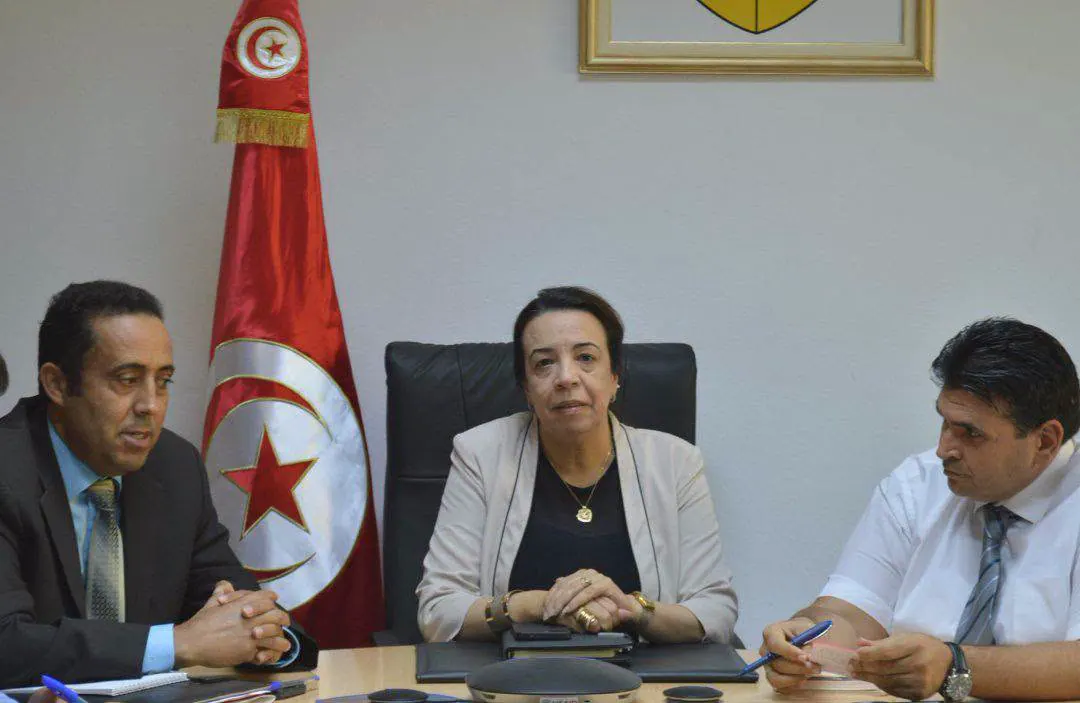
In a virtual working session held on October 5, 2026, Tunisia's Wali (Governor) of Nabeul, accompanied by senior officials, outlined a plan for communication with the public expenditure monitoring structure. The session was attended by various directors, delegates, and officials from regional and local administrations, as well as representatives from law enforcement agencies and public expenditure monitors. The meeting aimed to discuss the role of public expenditure monitoring and its orientations.
The session focused on establishing clear lines of communication between different regional administrations, municipalities, and public expenditure monitors. The goal is to ensure the smooth implementation of programs and projects, while taking necessary measures to improve performance, enhance governance, and promote self-reliance and rationalized spending. The Wali and other officials emphasized the importance of effective communication in achieving these objectives.
The Regional Monitor for Public Expenditure, Abdel Latif Al-Walani, highlighted that his role extends beyond monitoring to include advisory and guiding functions. He proposed developing a roadmap or procedural guide to streamline processes, reduce timelines, and minimize required documentation, in accordance with relevant laws and regulations. This proposal aims to enhance the efficiency and effectiveness of public expenditure management.
In response, the Wali suggested establishing a platform that brings together all stakeholders involved in public expenditure implementation in the region. This platform would facilitate the exchange of experiences and best practices among officials, ensuring effective and efficient use of public funds. The proposed platform is expected to help prevent delays in project implementation and reduce the risk of waste.
The working session was attended by senior officials from various agencies, including the National School of Customs, regional directors, and delegates. The meeting also included representatives from law enforcement agencies, such as the National Security and National Guard. The diverse participation reflects the government's efforts to engage multiple stakeholders in promoting effective public expenditure management.
The communication plan outlined during the session is part of Tunisia's broader efforts to enhance governance and promote self-reliance. The plan is expected to contribute to improved public expenditure management, which is critical for achieving the country's development goals. By streamlining processes and promoting effective communication, the government aims to optimize the use of public funds.
The Regional Monitor for Public Expenditure emphasized the importance of collaboration and coordination among stakeholders in achieving effective public expenditure management. The proposed roadmap and platform are expected to facilitate this collaboration, ultimately contributing to improved governance and more efficient use of public resources.
Key points
- Tunisian authorities outline plan for communication with public expenditure monitoring structure
- Proposed platform aims to facilitate exchange of experiences and best practices among officials
- Plan expected to contribute to improved public expenditure management and governance