The ongoing Israel-Gaza conflict, which began on October 7, 2023, has resulted in a substantial humanitarian crisis. On that day, the Hamas movement launched an unprecedented attack on southern Israel, targeting kibbutzim and military bases near the Gaza Strip. The Israeli death toll was approximately 1,200, with 251 people taken hostage in the Gaza Strip. The operation, named "Al-Aqsa Flood," aimed to break the blockade imposed on Gaza since 2007 and secure the release of Palestinian prisoners detained in Israel.
The Israeli military, known as the "most moral army in the world," mobilized its reservists and declared a state of war in response to the attack. The operation, named "Iron Swords," aimed to eliminate Hamas and prevent similar attacks from being launched from Gaza. The conflict has since led to significant international attention, with many countries taking sides. European countries, with a few exceptions, have supported Israel, citing its right to self-defense.
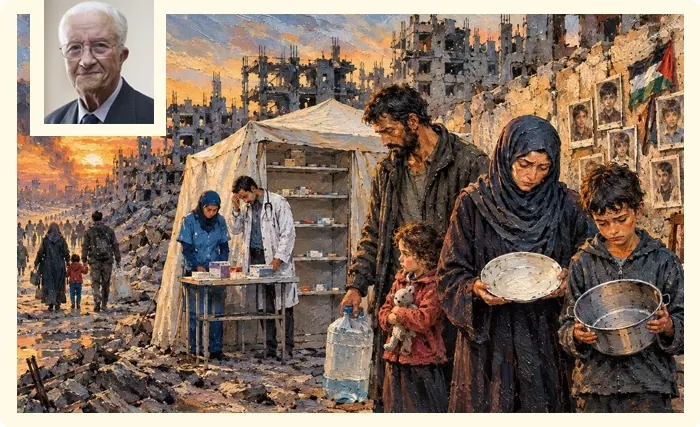
The European stance on the conflict has been criticized for being ambiguous, particularly in justifying military actions in an occupied territory with massive destruction. As civilian casualties mounted, European countries often limited their response to expressions of regret. The Gaza Strip has faced severe shortages of food, water, and medicine, with over 73,000 Palestinian deaths reported by local health authorities, according to Reuters.
The humanitarian crisis in Gaza has worsened, with many civilians, including children, affected. Some Israeli officials have stated that there are no innocents in Gaza. The conflict has also taken a toll on journalists, with at least 263 media professionals killed, according to the Committee to Protect Journalists. The organization has noted difficulties in verifying the number of casualties due to restrictions on foreign journalists entering Gaza and the destruction of communication infrastructure.
The international community has been criticized for its response to the conflict, with some accusing European countries of being biased towards Israel. The Hamas movement has been designated as a terrorist organization by several countries, which has contributed to the criticism. However, the conflict has also raised questions about the actions of the Israeli military and the impact on civilians.
A recent documentary film, "NAZA," has shed new light on the conflict, featuring testimony from Israeli military personnel and intelligence officials. The film, produced by The Guardian, has sparked controversy in Israel, with some officials accusing the filmmakers of treason. The Israeli government has considered revoking the citizenship of the filmmakers, Yuval Abraham and Rachel Szor.
The conflict has also raised questions about the preparedness of Israeli intelligence services, which had not anticipated the scale of the attack. Some reports have suggested that Israeli Prime Minister Benjamin Netanyahu may have received warnings about the impending attack but did not act on them. The conflict continues to have significant implications for the region and the international community.
Key points
- The Israel-Gaza conflict has resulted in significant humanitarian and human rights concerns.
- European countries have been criticized for their response to the conflict, with some accusing them of bias towards Israel.
- The conflict has raised questions about the preparedness of Israeli intelligence services and the actions of the Israeli military.