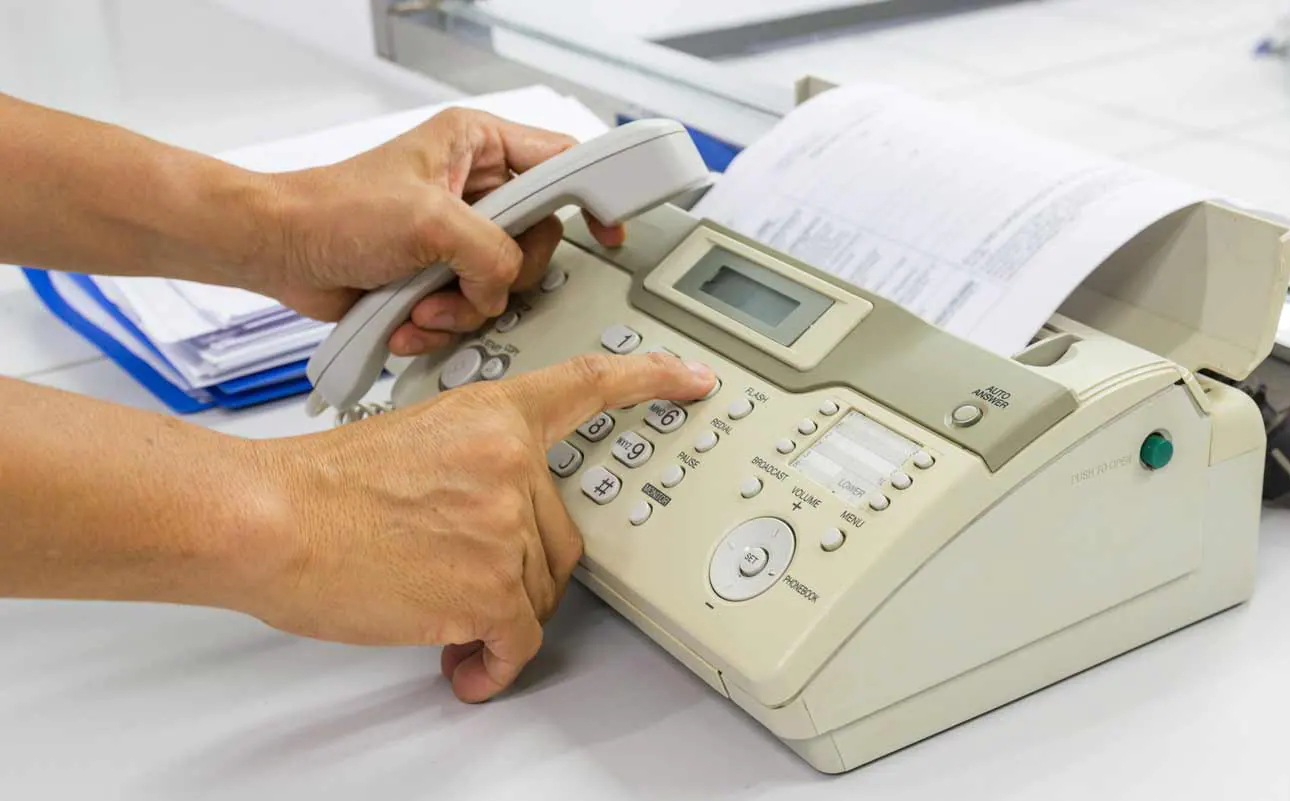
The Tunisian government has announced plans to progressively abandon the use of fax in its administration, pending the completion of technical and organizational preparations in public establishments. This move is part of a broader effort to transition to a fully digital administration. According to the Electronic Administration Unit at the Presidency of the Government, the phasing out of fax will depend on the deployment of necessary infrastructure and the widespread adoption of secure professional electronic messaging.
In response to a written question from Deputy Faisal Saghir, the Electronic Administration Unit emphasized that the transition to a fully digital administration must be done progressively, taking into account the varying levels of preparedness among central, regional, and local structures. This approach aims to ensure a smooth transition and minimize disruptions to public services. The Unit also highlighted the importance of coordinating with public organizations and the Ministry of Communication Technologies to achieve this goal.
The Presidency of the Government is working in coordination with public organizations and the Ministry of Communication Technologies to promote electronic exchanges of documents and reduce traditional means of communication. This effort includes the development of the "Alissa" system, a secure electronic management system that enables the secure exchange of documents and the use of electronic signatures and stamps.
The "Alissa" system is expected to significantly reduce the use of paper, accelerate the processing of files, and ensure the security and confidentiality of administrative documents. To support this transition, the government is also investing in the development of digital infrastructure, connecting public organizations to an integrated administrative network, and strengthening cybersecurity measures.
The phasing out of fax and the adoption of electronic communication are part of a broader strategy to modernize Tunisia's public administration. This strategy aims to improve the efficiency and effectiveness of public services, enhance transparency, and promote citizen engagement. By leveraging digital technologies, the government hopes to provide better services to citizens and businesses.
The Electronic Administration Unit emphasized that the transition to a digital administration requires a comprehensive approach that takes into account the technical, organizational, and human factors. This includes providing training and support to public officials and employees to ensure they have the necessary skills to effectively use digital tools and systems.
The successful implementation of this strategy will depend on the government's ability to coordinate with public organizations, address technical challenges, and ensure that all stakeholders are on board with the transition. If successful, Tunisia's public administration could become a model for other countries in the region, demonstrating the potential of digital technologies to improve governance and public services.
Key points
- The Tunisian government plans to phase out fax usage in its administration as part of a broader effort to transition to a fully digital administration.