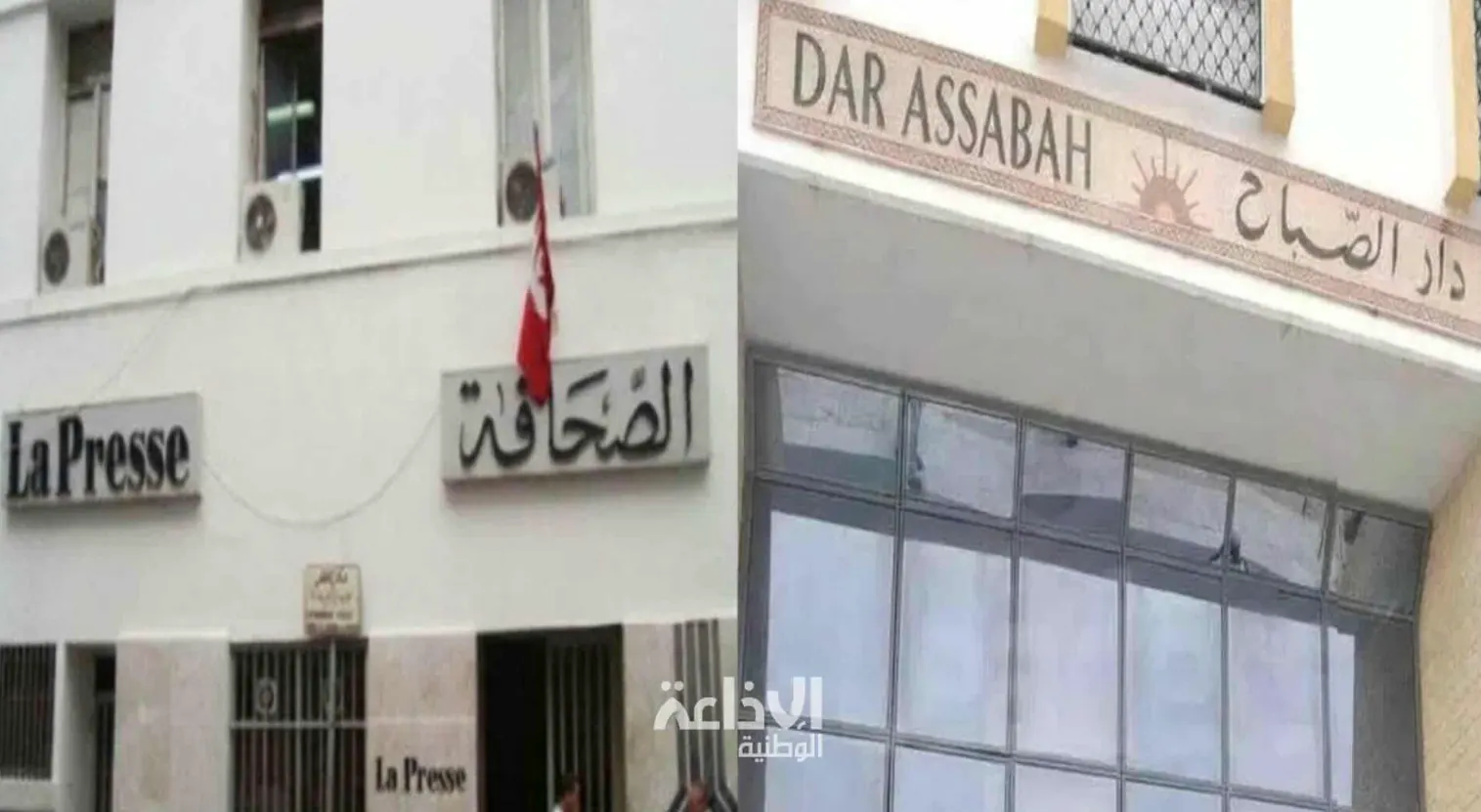
In a significant development in Tunisia's media landscape, the country's two major media outlets, Snipe Labras and Dar Es Sabah, have merged to form a new entity. The merger, which was announced on October 6, 2026, is part of a broader effort to restructure and support the financial and administrative sustainability of the two public institutions. According to Sidi Ben Krim, CEO of Snipe Labras, the merger was carried out in accordance with a decision by President Kais Saied.
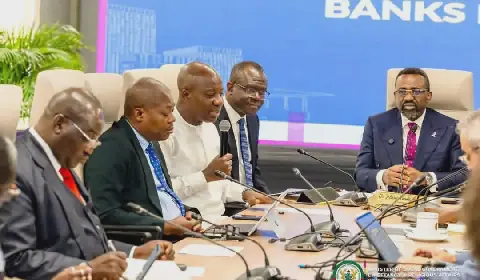
The merger process began with a general meeting between the boards of directors of the two institutions, which resulted in the management of Dar Es Sabah being entrusted to Snipe Labras. The meeting was attended by the Chairman of the Board of Directors of Dar Es Sabah and the new sole shareholder, Snipe Labras, represented by its CEO. This move follows the signing of a stock purchase agreement, which led to a change in the leadership of Dar Es Sabah, an institution that has been under the control of "Al Karama Holding" since the 2010 revolution.
Snipe Labras and Dar Es Sabah will operate under the same management, with the goal of preserving the continuity and sustainability of both institutions. According to Ben Krim, the two institutions are symbols of Tunisia's press heritage, with Dar Es Sabah founded in 1951 and Snipe Labras' predecessor, "La Presse," established in 1936. The merger aims to control production costs and distribution expenses, while also accelerating the digital transition of both institutions.
The merger is expected to have a positive impact on the Tunisian media landscape, with Ben Krim describing the two institutions as "schools" of written journalism. He emphasized that the merger will enable the institutions to overcome the challenges they have faced in recent years, which have affected the press globally. The CEO of Snipe Labras also denied rumors that the government has stopped supporting the press, stating that the state continues to provide necessary funding.
According to Ben Krim, the state has pledged to cover 100% of the employees' salaries of both institutions, with the 2027 budget allocating funds for this purpose. He also noted that Snipe Labras is a commercial institution that relies on its own resources to ensure its sustainability, with a focus on developing its digital offerings. The merger is part of a broader effort to restructure and support the financial and administrative sustainability of public institutions in Tunisia.
The decision to merge the two institutions was made in accordance with a presidential decree, with the aim of preserving the continuity and sustainability of both institutions. The merger is expected to have a positive impact on the Tunisian media landscape, enabling the institutions to overcome the challenges they have faced in recent years. The government has emphasized the importance of preserving the two institutions, which are considered key components of Tunisia's media heritage.
The merged entity is expected to play a significant role in promoting press freedom and independence in Tunisia, with a focus on providing high-quality journalism and content to the public. The institutions have a long history of providing news and information to the Tunisian public, and the merger is expected to strengthen their position in the market.
Key points
- The merger aims to control production costs and distribution expenses, while also accelerating the digital transition of both institutions.
- The state has pledged to cover 100% of the employees' salaries of both institutions, with the 2027 budget allocating funds for this purpose.
- The merged entity is expected to play a significant role in promoting press freedom and independence in Tunisia.