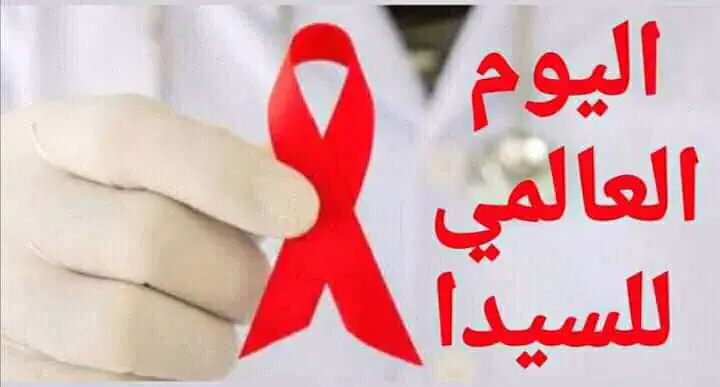
Tunisia is marking World AIDS Day on December 1, 2026, with a national health campaign focused on comprehensive and equitable access to health services. The campaign, aligned with the World Health Organization's theme for this year, aims to end AIDS by ensuring access to services. The Ministry of Health has reaffirmed its commitment to enhancing the national response to HIV, adopting a comprehensive, fair, and sustainable approach.
The Ministry's strategy ensures that all individuals, particularly vulnerable groups, have access to nearby and confidential health services that respect human dignity and are free from stigma and discrimination. According to a Ministry information paper, the campaign seeks to intensify early detection and facilitate access to prevention methods, including pre-exposure prophylaxis. It also aims to guarantee continuity of treatment and care, protect human rights, and promote active community participation.
National epidemiological data for 2025 indicates that the prevalence of HIV in Tunisia remains stable at 0.1%, with 0.06 new infections per 1,000 uninfected individuals. A total of 2,793 individuals are aware of their HIV status, with 2,578 living with HIV and receiving treatment, including 1,804 males, 774 females, and 48 children. Additionally, 148 foreign nationals are benefiting from free triple therapy.
The data also shows that 2,184 individuals have achieved viral load suppression, while 443 new cases were registered and placed under treatment, comprising 319 men, 124 women, and two children aged between 0 and 14 years. Recent years have seen notable progress in developing and diversifying testing strategies, including anonymous and free testing, as well as community-based interventions.
The Ministry of Health has been working to enhance prevention by introducing pre-exposure prophylaxis services in hospitals and gradually expanding them to other centers. The Ministry is also updating treatment protocols and strengthening integrated medical, psychological, and social care. Furthermore, a health information system has been developed to inform decision-making, and partnerships with civil society have been activated through agreements and public funding for associations.
The period from 2027 to 2030 is expected to see an acceleration of interventions, including the implementation of the next national strategic plan to combat AIDS and sexually transmitted diseases. The plan aims to strengthen the national epidemiological surveillance system, ensure continuity of services, and integrate HIV and sexually transmitted disease interventions into the national health system.
To mark World AIDS Day, the Ministry has prepared a series of awareness and educational activities, including a communication and media campaign, a television spot, and field activities and joint screening campaigns with regional health departments and associations. The goal is to promote awareness and encourage testing, particularly among young people, through programs in schools and universities.
Key points
- The Ministry of Health aims to ensure comprehensive and equitable access to health services for all individuals, particularly vulnerable groups.
- Tunisia has made progress in developing and diversifying testing strategies and introducing pre-exposure prophylaxis services.
- The national strategic plan to combat AIDS and sexually transmitted diseases will be implemented from 2027 to 2030.
Reporting sources
- Radio Jeunes · Radio Jeunes