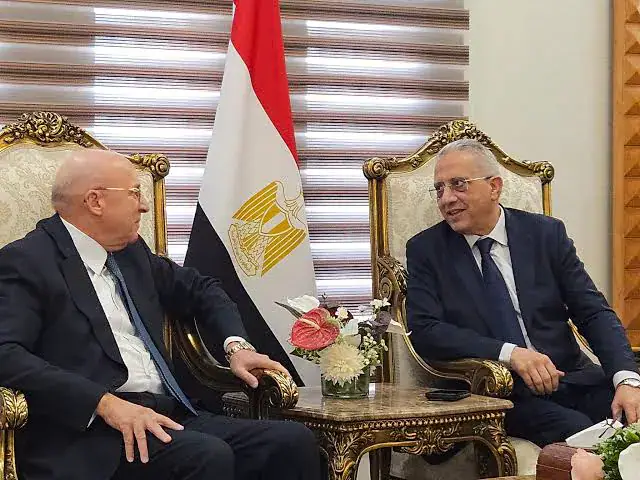
On November 10, 2026, Tunisian Health Minister Dr. Mustafa Al-Ferjani participated in the 65th ordinary session of the Arab Health Ministers' Council in Cairo. The meeting was announced by the Ministry of Health in a statement released on the same day. This session marked a significant development in Arab health cooperation.
During the meeting, Tunisia was entrusted with drafting a unified Arab statement to be presented at the 80th World Health Assembly. The council approved 17 points aimed at enhancing Arab health security and developing the health system. These points included adopting a 2026-2030 Arab strategy to utilize the skills of migrant health professionals.
The council also approved the theme for the 2027 Arab Health Day: "Health in the Era of Innovation and Artificial Intelligence." This theme reflects the evolving landscape of healthcare and technology. Tunisia's Health Minister emphasized the country's commitment to transforming Arab health cooperation into tangible projects.
Dr. Al-Ferjani held bilateral meetings with health ministers from Egypt, Palestine, Sudan, and Libya on the sidelines of the council meeting. He also had a working session with the head of the Executive Office of the Arab Council for Health Specialties. These meetings focused on promoting practical cooperation in medical training, digital health, and emergency response.
Tunisia reaffirmed its support for the Palestinian people and its solidarity with the healthcare systems in Palestine, Sudan, and Yemen. This commitment aligns with the directives of Tunisian President Kais Saied. The country's participation in the council meeting underscored its dedication to enhancing health services for Arab citizens.
The Arab Health Ministers' Council meeting concluded with a renewed emphasis on cooperation and innovation in healthcare. Tunisia's role in drafting the unified Arab statement to the World Health Organization highlights its growing influence in regional health affairs. The council's decisions aim to strengthen health security and improve healthcare outcomes across the Arab world.
As the council's decisions are implemented, the region can expect to see improvements in healthcare systems and cooperation. Tunisia's leadership in this effort demonstrates its commitment to advancing health outcomes in the Arab world. The country's focus on practical cooperation and innovation will likely have a lasting impact on regional health initiatives.
Key points
- Tunisia takes charge of drafting unified Arab statement to WHO
- Arab Health Ministers' Council approves 17 points to enhance health security
- Tunisia reaffirms support for Palestinian people and healthcare systems in crisis zones