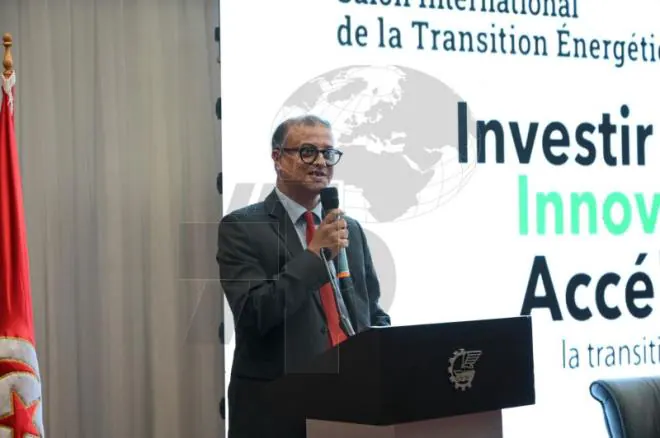
On October 1, 2026, the Director-General of Tunisia's National Agency for Energy Control, Nafeh Bekkari, announced the launch of the 'Shams' program. This initiative is designed to support small and medium-sized enterprises (SMEs) in investing in self-production of electricity from solar photovoltaic energy. The program is backed by the African Development Bank and aims to provide accessible and exceptional financing mechanisms. These will enable SMEs to invest in solar energy production, helping them control energy costs and enhance their competitiveness in global markets.
The 'Shams' program is part of a series of initiatives to support Tunisia's energy transition. Another notable program is 'PROSOL ELEC', which has achieved significant success. By the end of April 2026, over 150,000 solar installations had been completed in low-voltage networks, with a total capacity of nearly 466 megawatts. This progress reflects the growing interest in renewable energy in Tunisia. The programs are crucial for the country's goal of increasing its renewable energy capacity and reducing dependence on fossil fuels.
The 'Shams' program is expected to boost the development of solar energy in Tunisia. The program's launch coincides with the fourth edition of the International Salon for Energy Transition. This event highlights Tunisia's efforts to promote sustainable energy solutions and attract investment in the sector. The program will provide SMEs with the necessary financing to invest in solar energy production. This will not only help reduce energy costs for these enterprises but also contribute to the country's overall energy transition goals.
According to Bekkari, the results of the sixth round of the 'licensing system' were promising. In September 2026, 309 projects were approved, with a total capacity of approximately 455 megawatts. This reflects the growing confidence of the private sector in investing in renewable energy in Tunisia. The 'Shams' program is expected to further enhance this trend. The program's success will depend on the level of participation from SMEs and the private sector.
Tunisia's energy transition program for public institutions is also making progress. The program aims to cover around 350 institutions. So far, 112 projects have been completed in low-voltage networks, and 47 projects in medium-voltage networks. Additionally, 24.9 megawatts of installed capacity are in the final stages of preparation for operation. These projects demonstrate the government's commitment to promoting renewable energy and reducing energy consumption in public institutions.
Bekkari emphasized the need for simplification and acceleration of administrative procedures. This is crucial for the successful implementation of the 'Shams' program and other energy transition initiatives. The National Agency for Energy Control is working to develop networks to accommodate renewable energy. The agency is also preparing for new challenges, including energy storage, electric mobility, smart grids, and regional energy interconnection.
The Director-General of the National Agency for Energy Control called on all economic actors to enhance coordination and accelerate work. He stressed the importance of establishing strong partnerships based on mutual trust. This will enable Tunisia to transform its natural potential and national expertise into sustainable achievements. The success of the 'Shams' program and other initiatives will depend on the level of collaboration between different stakeholders.
Key points
- The 'Shams' program aims to support SMEs in investing in solar energy production.
- The program is backed by the African Development Bank.
- The initiative is part of Tunisia's efforts to promote renewable energy and reduce dependence on fossil fuels.