Tunisia has taken a significant step towards sustainable agricultural practices with the launch of a program aimed at valorizing palm residues in animal feed. The initiative, which aligns with the principles of the circular economy, seeks to promote the large-scale use of palm residues in animal nutrition. This move is expected to reduce production costs, ensure the sustainability of the animal production system, and enhance the use of locally available resources.
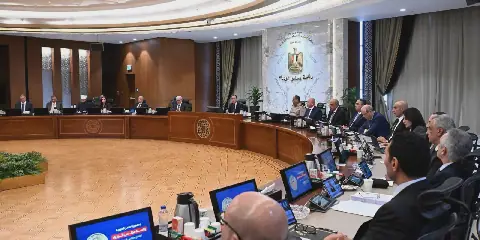
A working session was held at the Office of Livestock and Pastures (OEP) to elaborate on a joint action program for the valorization of palm residues. The meeting was attended by key stakeholders, including Anis Zaim, head of OEP, Nizar Ayari, general director of the National Office for Forages, and Hichem Ben Salem, representative of the National Institute of Agronomic Research in Tunisia (INRAT). Several OEP officials from central and regional services also participated in the session via videoconference.
The program aims to optimize the use of palm residues, which are typically discarded, and integrate them into animal feed. This approach is anticipated to have a positive impact on the environment by reducing waste and promoting sustainable agricultural practices. The valorization of palm residues is also expected to contribute to the country's efforts to enhance food security and support the livestock sector.
The initiative is part of a broader strategy to promote sustainable agriculture and reduce the country's reliance on imported feed. By leveraging local resources, Tunisia aims to improve the competitiveness of its livestock sector and enhance the overall sustainability of its agricultural practices. The program is also expected to create new opportunities for farmers and local communities.
The OEP has emphasized the importance of this initiative in promoting the principles of the circular economy and reducing waste. The office has also highlighted the potential benefits of this program, including the creation of new jobs and the stimulation of local economic growth. The valorization of palm residues is seen as a key aspect of Tunisia's efforts to promote sustainable development.
The program's success will depend on the collaboration of various stakeholders, including farmers, researchers, and policymakers. The INRAT and OEP will likely play a crucial role in implementing the program and monitoring its impact. The initiative is also expected to benefit from the expertise of international organizations and development agencies.
The launch of this program marks a significant milestone in Tunisia's efforts to promote sustainable agriculture and reduce waste. The valorization of palm residues has the potential to make a positive impact on the country's environment, economy, and food security. As the program moves forward, it will be essential to monitor its progress and assess its impact on the country's agricultural sector.
Key points
- Tunisia launches program to valorize palm residues in animal feed, promoting circular economy and sustainable production.
- The program aims to reduce production costs, ensure sustainability, and enhance the use of locally available resources.
- The initiative is part of Tunisia's broader strategy to promote sustainable agriculture and reduce reliance on imported feed.