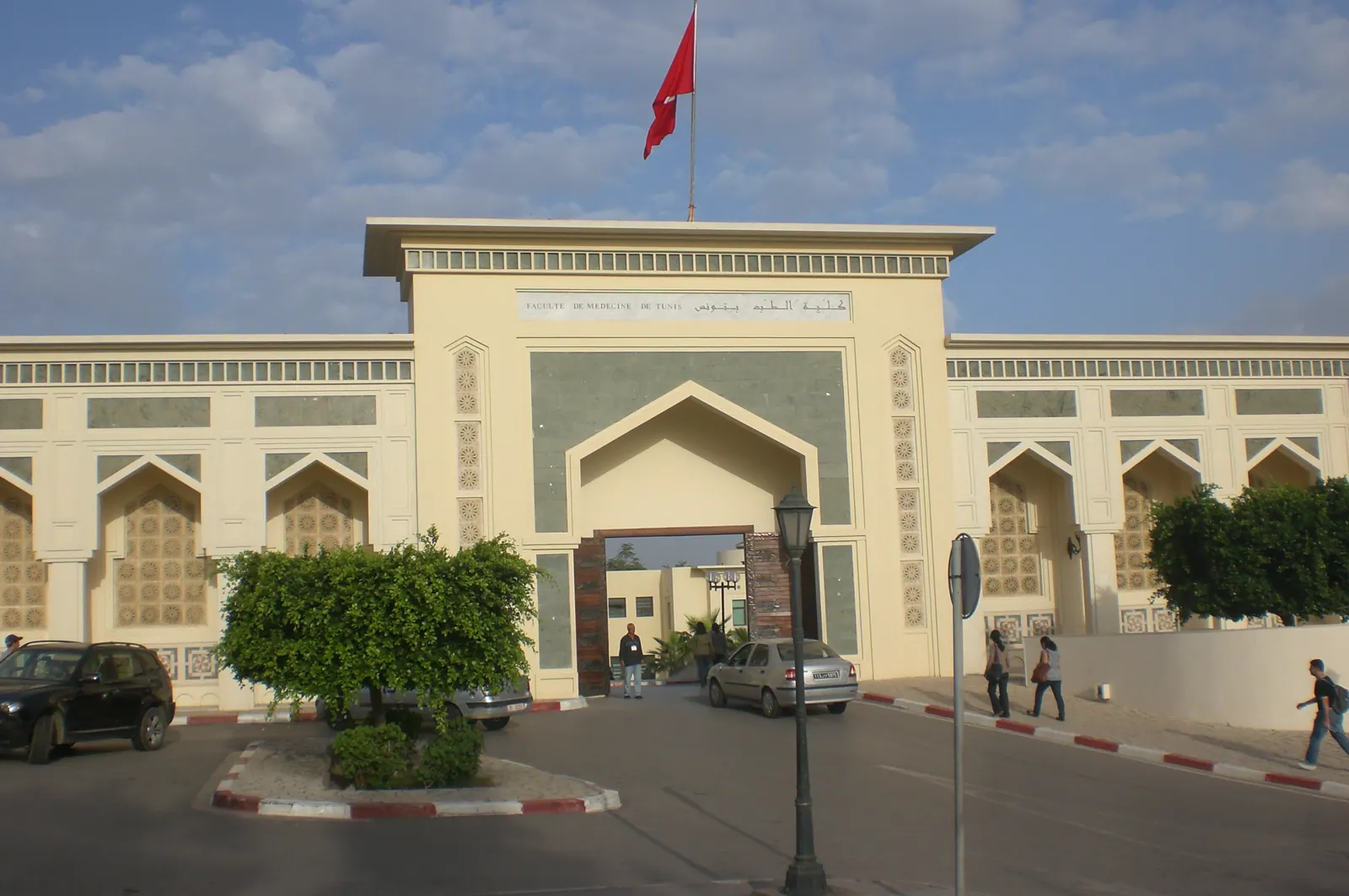
Tunisia's Faculty of Medicine in Tunis has initiated a master's research program in "One Health," a pioneering academic endeavor. Launched on October 1, 2026, the program is a collaboration with the National Veterinary Medicine School in Sidi Thabet and supported by the United Nations Population Fund in Tunisia and international partners. This innovative program aims to equip a new generation of experts and researchers with the skills to develop comprehensive and sustainable solutions to health crises and climate change impacts.
The program's approach integrates human health, animal health, and environmental conservation. By adopting a holistic perspective, the initiative seeks to address the interconnectedness of these aspects. The launch event included the signing of a "One Health" charter between the Faculty of Medicine and the National Veterinary Medicine School. This charter solidifies the shared commitment to implementing the master's program.
The master's program targets professionals and graduates in health sciences, life sciences, environmental sciences, agricultural sciences, and related fields. Its primary objective is to enhance their competencies in tackling current and future health and environmental challenges. By focusing on the interconnections between human, animal, and environmental health, the program aims to foster a more integrated approach to addressing health crises.
The program's development comes in response to growing concerns about the impact of climate change and health crises on Tunisia and the global community. By investing in human capital and promoting interdisciplinary research, Tunisia aims to strengthen its capacity to address these pressing issues. The initiative also reflects the country's commitment to achieving sustainable development goals.
The launch of the "One Health" master's program is a significant milestone in Tunisia's efforts to enhance its research and academic capabilities. The program is expected to attract students from various backgrounds, providing them with a unique opportunity to engage in interdisciplinary research and contribute to addressing some of the world's most pressing health and environmental challenges.
Key stakeholders, including academic institutions, government agencies, and international organizations, have expressed their support for the initiative. Their involvement underscores the importance of collaboration in addressing complex health and environmental issues. The program's success will depend on the continued engagement and cooperation of these stakeholders.
As the program begins, it will be essential to monitor its progress and assess its impact on Tunisia's research and academic landscape. The initiative has the potential to contribute significantly to the country's development and its ability to address emerging health and environmental challenges.
Key points
- The program aims to develop a new generation of experts and researchers capable of addressing health crises and climate change impacts through integrated solutions.
- The initiative is a collaboration between Tunisia's Faculty of Medicine and the National Veterinary Medicine School, with support from international partners.
- The program targets professionals and graduates in health sciences, life sciences, environmental sciences, and related fields.