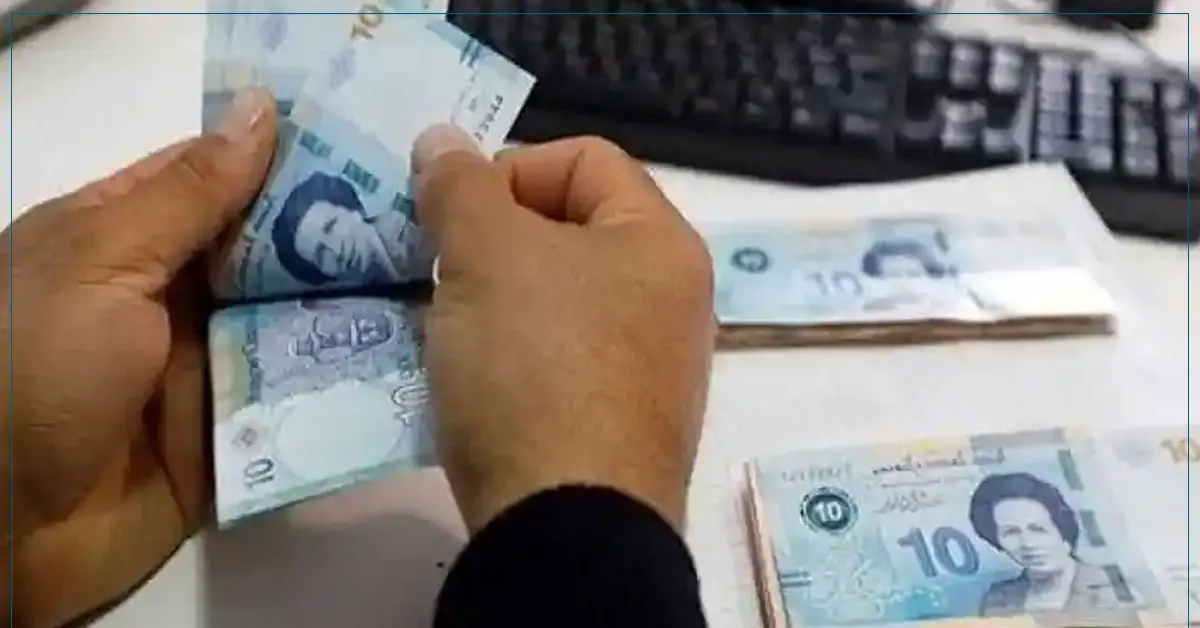
The 'Loan of Honor' mechanism has officially been implemented in Tunisia as of October 1, 2026, providing a new financing option for individuals, small project owners, and small to medium-sized enterprises. This initiative offers loans of up to 25,000 dinars without interest or guarantees, addressing the high barriers to accessing financing. According to Sufian Al-Warimi, a banking expert, the loans are subject to study and evaluation of the borrower's repayment capacity.
The new system is based on Article 412 of the Commercial Code, which was introduced as part of Law No. 41 of 2024, amending the provisions of the check. The decree No. 148 of 2026, dated July 23, 2026, sets the conditions and criteria for granting these loans. The Central Bank of Tunisia's circular No. 8 of 2026 outlines the practical and digital procedures for receiving applications. Banks are required to allocate at least 8% of their previous year's profits to fund these loans.
The 'Loan of Honor' aims to remove two significant barriers to accessing financing: interest rates and guarantees. Borrowers do not pay interest, and no collateral or guarantees are required. However, the loan is still subject to repayment, and banks must verify the borrower's ability to repay the loan within the specified timeframe. The loan ceiling is 5,000 dinars for individuals, 10,000 dinars for small project owners, and 25,000 dinars for small to medium-sized enterprises.
The loan repayment period is up to two years, with a possible six-month grace period. Borrowers cannot obtain a new loan until the previous one is fully repaid. Applications are submitted electronically through dedicated platforms, and the submission date and time are electronically recorded to prioritize applications. Banks evaluate the applicant's eligibility and repayment capacity, and decisions to reject applications must be justified in writing.
Unlike traditional loans, the 'Loan of Honor' does not have a fixed financial envelope. Instead, it relies on the banks' annual profits, which are expected to be replenished. However, the available resources are limited, and some banks have already exhausted their allocated quotas. Estimates suggest that the total budget for these loans could be around 120 million dinars, but this figure has not been officially confirmed.
The Tunisian experience is not isolated, as other countries have implemented similar initiatives. In France, for example, networks of specialized organizations offer 'loans of honor' to entrepreneurs without interest or personal guarantees. These loans have been successful in mobilizing additional bank financing, with an average of 9.5 euros in bank loans for every euro in 'loans of honor.' In the UK, a similar program provides unsecured personal loans to entrepreneurs, but with interest rates.
The success of the 'Loan of Honor' in Tunisia depends on its ability to facilitate access to financing and support the development of small projects and enterprises. While the mechanism has several advantages, including reduced costs and simplified procedures, its impact will depend on the availability of resources and the effectiveness of the implementation. The Tunisian experience can draw lessons from other countries, particularly the importance of combining financing with support and guidance for entrepreneurs.
Key points
- The 'Loan of Honor' offers interest-free loans without guarantees to individuals and small to medium-sized enterprises in Tunisia.
- The initiative aims to increase access to financing and support the development of small projects and enterprises.
- The success of the 'Loan of Honor' depends on the availability of resources and the effectiveness of its implementation.