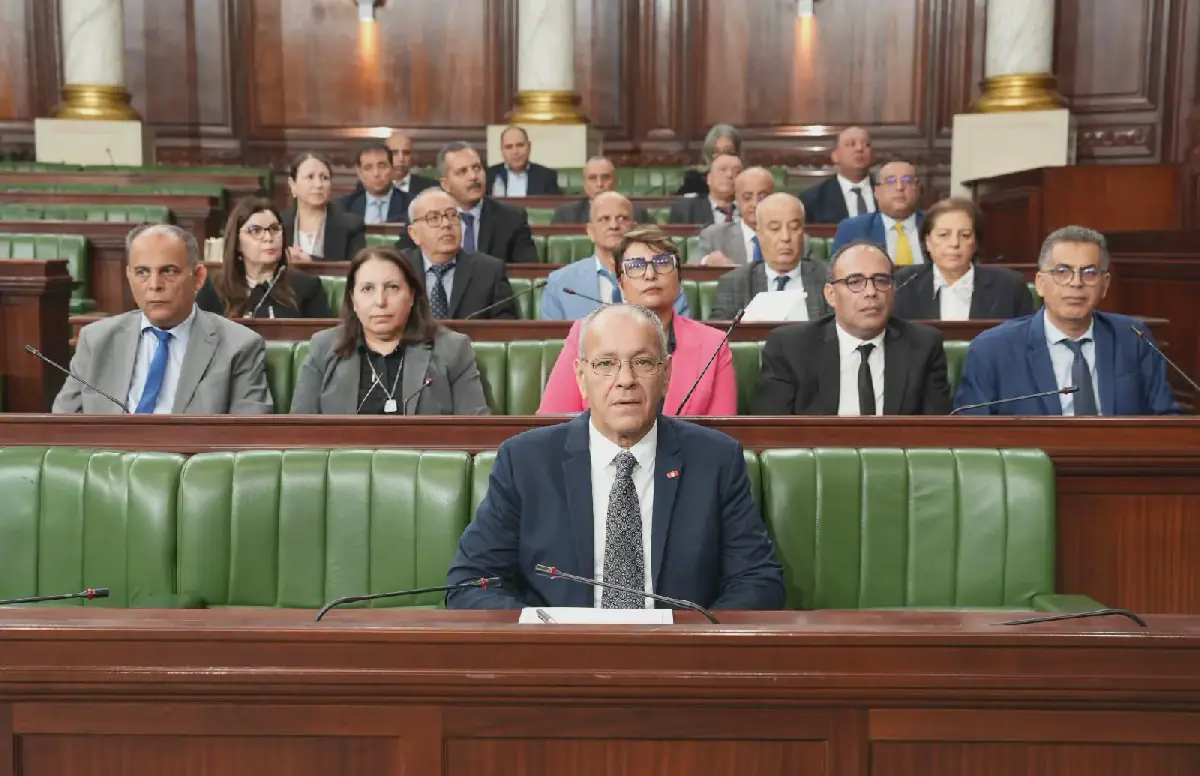
The Tunisian Ministry of Environment has initiated an integrated program aimed at protecting the country's coastline, combating marine erosion, and stabilizing sand dunes. Minister of Environment Habib Abid announced the program during a plenary session of the Assembly of People's Representatives and the National Council for Regions and Districts. The program is backed by international funding, including 61 million euros from the Netherlands and 25 million euros from Germany.
The funding from the Netherlands is specifically allocated for beach replenishment projects, while the German funding will be used for coastal protection and seawall construction. According to Minister Abid, these projects are crucial for preserving Tunisia's coastline and addressing the impacts of erosion. The minister also highlighted that the governorate of Gabès will benefit from a specific intervention program for coastal protection, with an allocated budget of 13 million euros.
In addition to the ongoing projects, Minister Abid announced that a study will be conducted to assess the protection needs of the coastline in the governorate of Sfax, specifically in the area from Gargour to Mahres. This study aims to identify the most effective measures for protecting this critical region. The Ministry of Environment is also focusing on stabilizing sand dunes by identifying areas that require intervention, taking into account the natural characteristics of each region.
The Ministry of Environment is also prioritizing biodiversity conservation through the launch of the national reforestation project "Green Belt" in 2026. This project aims to promote sustainable development and protect the environment. Minister Abid revealed that over 50 million dinars will be allocated in 2027 to continue the project's implementation, in cooperation with the Food and Agriculture Organization and other international organizations.
The integrated coastal protection program is a significant step towards addressing the environmental challenges facing Tunisia's coastline. The program's success will depend on effective implementation and coordination with relevant stakeholders. The Ministry of Environment's efforts to protect the coastline and promote sustainable development have been welcomed by various parties.
The environmental challenges facing Tunisia's coastline are significant, with erosion and sand dune movement posing major threats to coastal ecosystems and infrastructure. The Ministry of Environment's program aims to address these challenges through a comprehensive approach that includes beach replenishment, coastal protection, and sand dune stabilization.
The international funding secured for the program is a testament to the global recognition of the importance of protecting Tunisia's coastline. The Ministry of Environment's efforts to leverage international support for environmental conservation have yielded positive results. The program's impact is expected to be significant, with benefits extending beyond environmental protection to include economic and social benefits.
Key points
- The program includes 61 million euros in funding from the Netherlands for beach replenishment projects and 25 million euros from Germany for coastal protection and seawall construction.