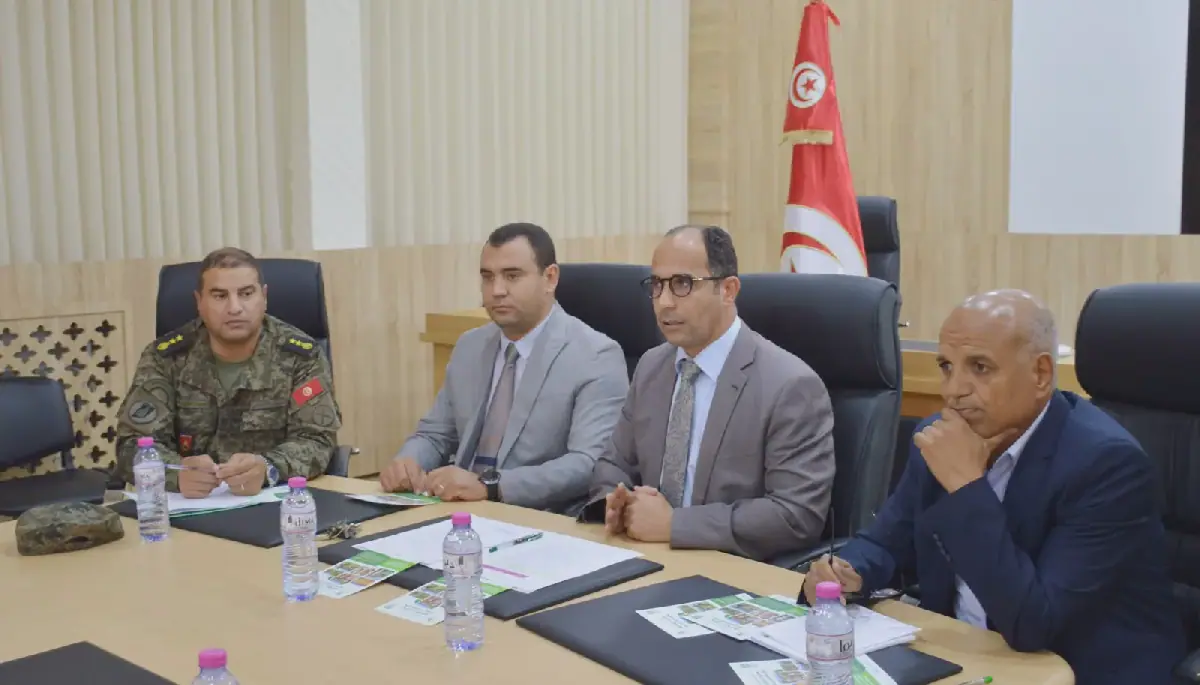
The Ministry of Agriculture, Water Resources and Fisheries in Tunisia has initiated the first national agricultural census in the Kef region. This census is part of a strategic national project aimed at creating a comprehensive and up-to-date statistical database on the country's agricultural sector. The database will gather information on agricultural activities, their geographical distribution, and key characteristics.
The agricultural census will utilize modern digital tools, including logistical devices and geographic information systems, to ensure accurate and efficient data collection. The use of these technologies will also guarantee the confidentiality and protection of personal data belonging to farmers. This initiative is expected to provide essential information for improving investment guidance, support programs, and agricultural development plans.
The collected data will serve as a primary reference for national and regional levels, contributing to enhanced decision-making and policy development in the agricultural sector. The census aims to support food security, optimal resource management, and informed planning for sustainable agricultural development. By achieving this, Tunisia can better address its agricultural challenges and capitalize on opportunities for growth.
The project aligns with Tunisia's efforts to modernize its agricultural sector and enhance its overall performance. The Ministry of Agriculture, Water Resources and Fisheries is spearheading this initiative, which reflects the government's commitment to data-driven policy-making and sustainable development. The census is a critical step towards achieving these objectives.
The Kef region has been selected as the starting point for this national project, which will eventually cover the entire country. Local authorities and stakeholders in the region are collaborating with the Ministry to ensure the success of the census. This cooperation is vital for achieving accurate and representative data that reflects the region's agricultural landscape.
The agricultural census is expected to have a positive impact on the country's agricultural sector, enabling more effective planning, resource allocation, and support for farmers. By leveraging modern technologies and robust data collection methods, Tunisia can create a reliable and comprehensive database that informs policy decisions and drives sustainable agricultural growth.
The launch of the national agricultural census in Kef marks a significant milestone in Tunisia's efforts to enhance its agricultural sector. The project is poised to provide valuable insights into the country's agricultural landscape, ultimately contributing to improved food security, resource management, and sustainable development.
Key points
- The census aims to create a comprehensive statistical database on Tunisia's agricultural sector.
- Modern digital tools are being used to ensure accurate and efficient data collection.
- The project will support food security, optimal resource management, and informed planning for sustainable agricultural development.
Reporting sources
- Radio Le Kef · Radio Le Kef