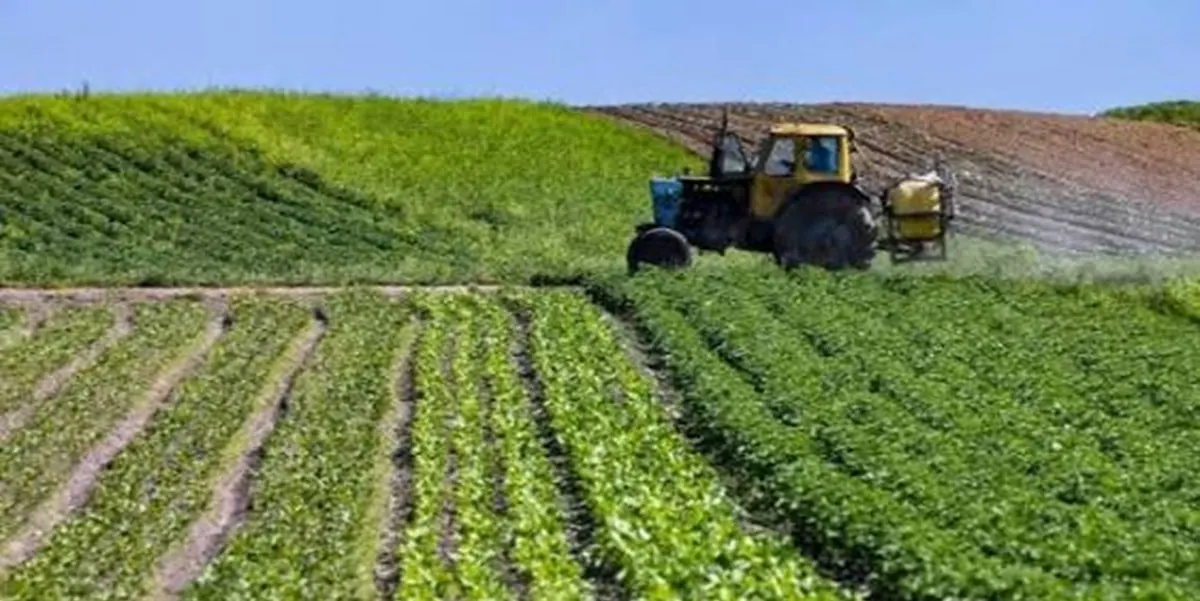
Tunisia is set to embark on its first fully digital agricultural census, a project valued at approximately 5 million dinars. The initiative aims to create an updated database of agricultural holdings, their characteristics, and geographical distribution. Scheduled for completion before the end of 2026, the census will utilize tablets for data collection, ensuring a modern and efficient approach. This project is a collaborative effort between the Ministry of Agriculture, the National Institute of Statistics, the Office of Cereals, and Tunisie Telecom.
The digital data collection process will take place across the country's 24 governorates, with the regional agricultural development commissions (CRDA) overseeing the implementation. For the first time, data collection will be entirely digital, with agents using tablets to input information in the field. This information will then be controlled and validated at a central level, with secure data transfer to dedicated servers in collaboration with Tunisie Telecom. The system also prioritizes statistical secrecy and the protection of farmers' personal data.
The project's objectives include creating a comprehensive database to better document the characteristics of the agricultural sector on a national and regional scale. By achieving this, the government aims to make informed policy decisions, assess the needs of agricultural holdings, and direct investments effectively. The digital approach will enable the creation of a geolocated database, enhancing understanding of territorial realities and production capacities.
According to Nabil Zarrouk, a responsible official at the General Directorate of Studies and Agricultural Development at the Ministry of Agriculture, the census is crucial for modernizing statistical methods. The project is part of a broader effort to integrate technology in agricultural practices, as seen in the increasing use of drones in the sector. A press conference is scheduled for October 30, 2026, to outline the official launch and various stages of the operation.
The collaboration for this project involves multiple key stakeholders, including the Ministry of Agriculture, the National Institute of Statistics, the Office of Cereals, and Tunisie Telecom. By working together, these entities aim to ensure the success of the census and the effective use of the data collected. The project's completion is slated before the start of the 2027-2028 agricultural campaign.
The data gathered from the census will play a pivotal role in guiding agricultural policies and investments. By providing a detailed insight into the agricultural sector, the government can tailor its support programs and allocate resources more efficiently. The effectiveness of these measures will depend on how the data is utilized post-census.
The digital agricultural census represents a significant step forward for Tunisia's agricultural sector, embracing modern technology to enhance data collection and policy-making. With its completion, the government and stakeholders will have a valuable tool for sector development and strategic planning.
Key points
- The project is valued at approximately 5 million dinars.
- The census will be fully digital, utilizing tablets for data collection.
- The project aims to create an updated database of agricultural holdings and their characteristics.