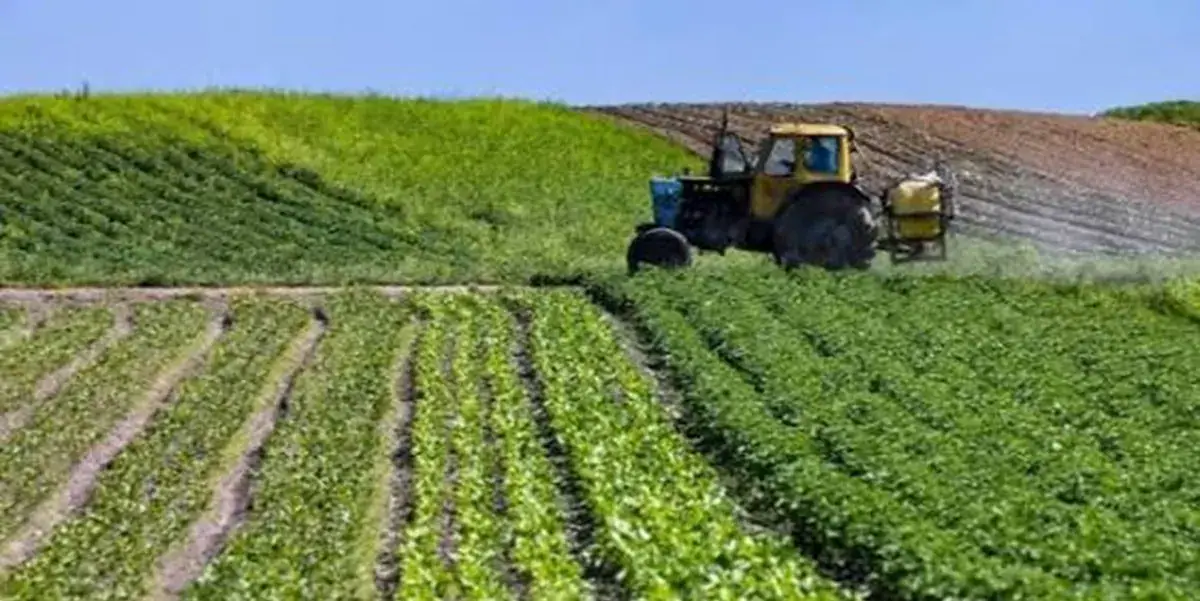
Tunisia officially launched its first digital agricultural census on October 30, 2026. The nationwide operation, set to run from 2026 to 2027, will begin in November. According to official estimates, approximately 831,000 agricultural exploitations are expected to be surveyed. The goal is to create a comprehensive and up-to-date database on these exploitations, including their location, activities, resources, and production capacities.
The census will utilize digital tools, with enumerators using electronic tablets to collect and process data directly in the field. The initiative also incorporates geolocation technologies and geographic information systems (GIS) to precisely locate and map the characteristics of each exploitation. Data collection will focus on the structure of exploitations, agricultural activities, equipment, labor force, and means of production. This information aims to improve the evaluation of the country's productive capacities and regional needs.
The census is expected to provide policymakers with a clearer understanding of the sector's reality. By identifying the geographical distribution of exploitations and their characteristics, authorities can better target development programs, support small and medium-sized exploitations, and identify investment opportunities. This database will also enhance planning in a context marked by challenges related to natural resource availability, climate change, and food security.
According to Emna Jellouli, representative of the General Directorate of Studies and Agricultural Development, these data will be crucial for developing sectoral strategies based on reliable information, improving the governance of development projects, and promoting agricultural investment. The success of the operation depends on the participation of farmers and the accuracy of the collected information.
Authorities have emphasized the confidentiality of individual data, which will be used solely for statistical purposes. The census results are expected to provide an updated reference for public authorities, researchers, and professionals without exposing personal information of exploitants. This initiative marks a significant step towards modernizing and enhancing the agricultural sector in Tunisia.
The agricultural census will cover the entire national territory, ensuring a comprehensive overview of the sector. By leveraging digital technologies, Tunisia aims to improve the efficiency and accuracy of data collection. The collected data will enable the development of targeted policies and strategies to address specific regional needs and challenges.
The launch of the agricultural census is a significant milestone in Tunisia's efforts to enhance its agricultural sector. With the involvement of farmers and the use of advanced technologies, the country is poised to gather valuable insights that will inform future development initiatives and investment decisions.
Key points
- The census aims to cover approximately 831,000 agricultural exploitations across Tunisia.
- The initiative utilizes digital tools, including electronic tablets and geolocation technologies.
- The collected data will inform policy decisions, support small and medium-sized exploitations, and identify investment opportunities.