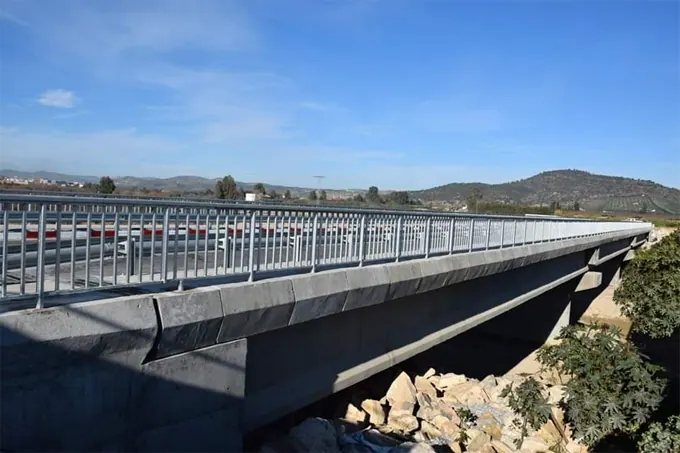
The Tunisian government has initiated a 6 million dinar project to prevent flooding in Oued Medjerda, the country's longest river. The project, which covers a 27 km stretch from the Medjerda tributary to the Sidi Ali Jbini border area between Jendouba and Béja, aims to restore the natural flow of water and protect surrounding regions from floods. According to Mohamed Ali Trabelsi, the project manager, the initiative has already achieved a 30% completion rate.
The project involves cleaning and desilting the riverbed to ensure a smooth flow of water towards the Sidi Salem dam in Testour. This will help prevent flooding in the Sidi Ismail and Bousalem regions, which have been prone to waterlogging in the past. The project also includes reforestation efforts, with 450 hectares of land being restored to their natural forest cover. This will not only help prevent erosion but also support local ecosystems.
Oued Medjerda, stretching 450 km from its source to the Mediterranean, is Tunisia's longest river. The river plays a crucial role in the country's water management system, with several dams and reservoirs along its length. However, sedimentation and pollution have affected the river's flow, leading to frequent flooding in surrounding areas. The current project aims to address these issues and ensure the river's natural flow is restored.
The project is part of a broader effort to improve water management in Tunisia. The government has been working to enhance the country's water infrastructure, including the construction of new dams and reservoirs. The project will also help support the local economy by protecting agricultural land and preventing damage to infrastructure.
According to Trabelsi, the project's progress has been satisfactory, with a significant workforce involved in the cleaning and reforestation efforts. The project manager expressed optimism that the initiative would be completed on schedule, providing long-term benefits to local communities. The project's success will be closely monitored by local authorities and residents.
The Tunisian government has been prioritizing infrastructure development, including water management projects. The country's water resources have been under pressure due to climate change, population growth, and urbanization. The Oued Medjerda project is part of a comprehensive strategy to address these challenges and ensure sustainable water management practices.
The project's completion is expected to have a positive impact on local communities, protecting them from flooding and supporting economic development. The initiative demonstrates the government's commitment to addressing environmental challenges and promoting sustainable development.
Key points
- The project aims to restore the natural flow of Oued Medjerda and prevent flooding in surrounding regions.
- The initiative includes reforestation efforts, with 450 hectares of land being restored to their natural forest cover.
- The project's success will be closely monitored by local authorities and residents.