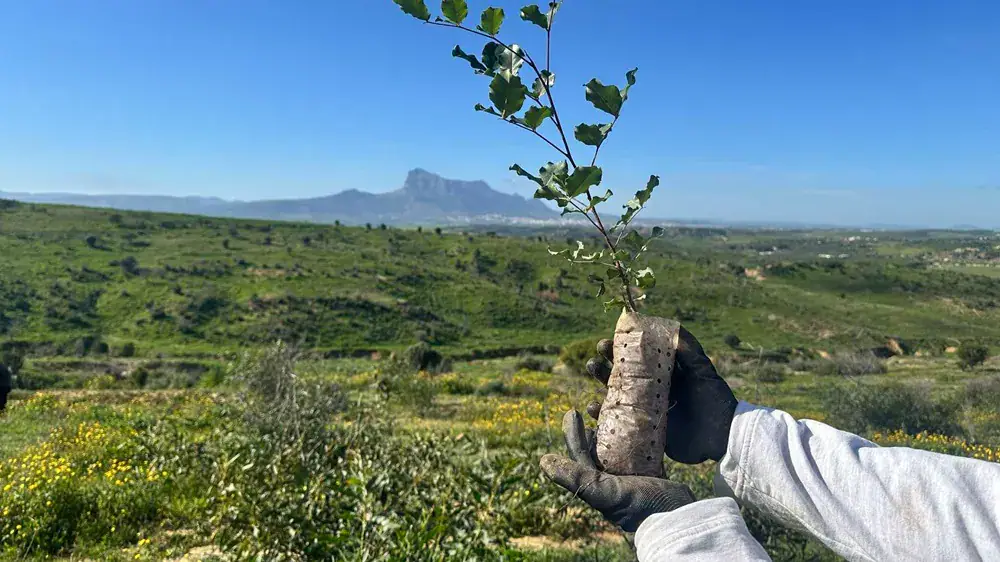
Tunisia has introduced a strategic plan for 2026-2035 aimed at restoring its ecological balance and enhancing resilience to climate change. The initiative focuses on reforestation, modernizing surveillance and fire prevention systems, and developing infrastructure. This plan is a response to significant losses in its forest wealth between 2011 and 2025, which included the burning of 74,602 hectares, incurring a total cost of approximately 241.16 million dinars.
The strategy involves several key interventions to rejuvenate the forest cover, prioritizing the reforestation of 30,000 hectares, with a special focus on cork oak and Aleppo pine forests. It also includes updating infrastructure and integrating local plant species that are adapted to climatic conditions. By doing so, Tunisia aims to not only restore its forests but also to ensure their sustainability in the face of climate change.
A critical component of the plan is the modernization of the fire prevention and surveillance system. This will be achieved through the adoption of digital platforms, the establishment of automated surveillance towers, and the creation of water reservoirs in high-risk areas. These measures are designed to enhance early detection capabilities and rapid intervention in the event of forest fires.
The plan emphasizes the importance of participatory management of forest resources. This involves mobilizing water resources, climate finance, and strengthening partnerships with the private sector and civil society. Such collaborative efforts are seen as crucial for the sustainability of the planned interventions and for ensuring the long-term health of Tunisia's forests.
For the 2026-2027 season, the plan includes interventions over an area of 24,000 hectares. This comprises 15,260 hectares for natural regeneration and 8,716 hectares for afforestation and pastoral projects. Additionally, the plan involves the production and planting of 10 million seedlings and the rehabilitation of infrastructure for ten forest nurseries.
The initiative also encompasses community engagement, with plans to plant 1.8 million seedlings in partnership with associations, civil society components, and economic institutions. This is part of the United Nations' Decade on Ecosystem Restoration for 2021-2030, highlighting Tunisia's commitment to global efforts in environmental conservation.
Tunisia is set to celebrate its National Tree Day on November 8, 2026, under the theme "A Tree Today, A Forest Tomorrow." This event underscores the country's dedication to environmental sustainability and its ongoing efforts to protect and expand its forest cover for future generations.
Key points
- Tunisia aims to reforest 30,000 hectares as part of its 10-year plan.
- The plan includes modernizing fire prevention and surveillance systems.
- The initiative is part of Tunisia's response to significant forest losses between 2011 and 2025.