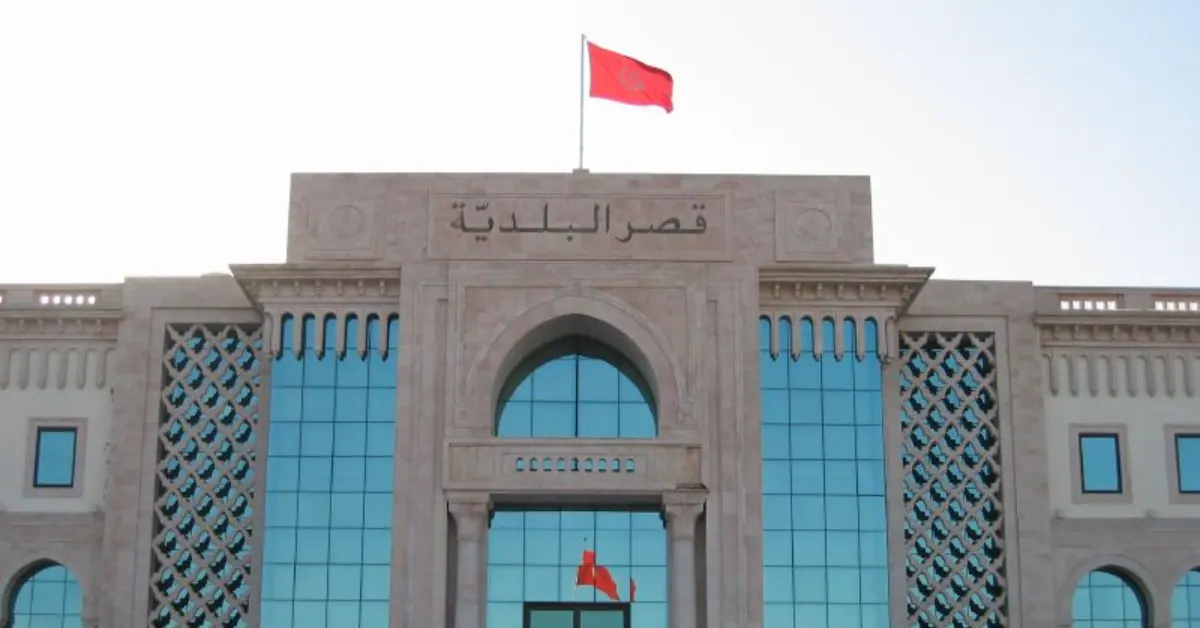
The Tunisian government has issued a new decree reorganizing municipal councils and defining their powers. Published in the official gazette on September 30, 2026, the decree aims to establish a clear legal framework for the organization and functioning of municipal councils. The decree stipulates that municipalities are local entities with legal personality and administrative and financial autonomy.
The new decree outlines the composition of municipal councils, which will consist of a president, first deputy, other deputies, and members. The number of deputies is capped at a quarter of the council's members. The decree also sets out the council's meeting schedule, with four regular sessions per year. These sessions will take place in February, May, July, and November.
The decree emphasizes citizen participation in municipal affairs, requiring a preliminary session before each regular meeting. It also mandates that council sessions be public and that deliberations, decisions, budgets, and financial accounts be made available for public inspection. The decree grants municipal councils extensive powers, including preparing budgets, managing municipal property, urban planning, and environmental protection.
The decree outlines specific responsibilities for municipal councils, including managing public facilities, roads, and markets. Councils will also be involved in promoting local investment and development. The decree introduces new rules for council members' attendance, with automatic resignation for members who miss three consecutive or six scattered sessions.
The decree grants the governor powers to oversee council activities, including objecting to certain decisions and intervening in cases of irregularities. It also outlines procedures for suspending or dismissing council presidents and dissolving municipal councils in cases of serious misconduct or disruption of municipal work.
The decree reorganizes municipal administration, defines the role of the municipal secretary-general, and updates the financial system for municipalities. It sets deadlines for implementing new accounting systems, including adopting double-entry accounting by 2030 and analytical accounting by 2032.
The decree will come into effect after the first municipal elections following its publication. Until then, the previous decree on dissolving municipal councils remains in force. The new decree repeals the 2018 law on local authorities and all texts contradicting its provisions.
Key points
- The decree aims to clarify the role and responsibilities of municipal councils in Tunisia.
- The decree introduces new rules for citizen participation and public access to council deliberations.
- The decree sets deadlines for implementing new accounting systems in municipalities.