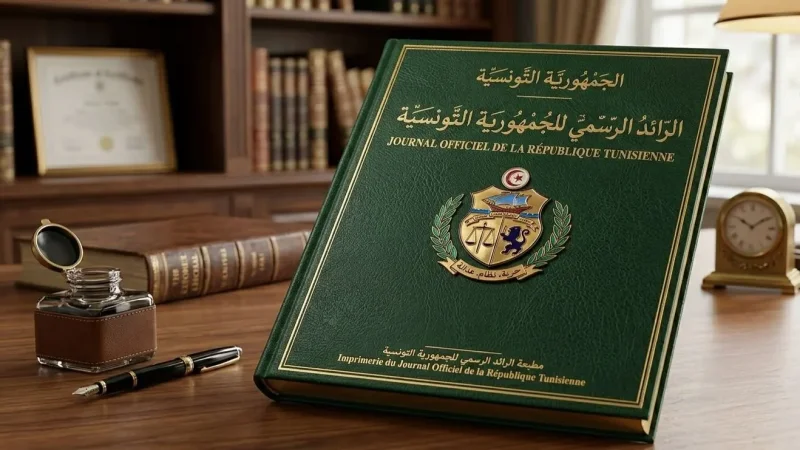
On September 30, 2026, the Tunisian Presidency issued Decree No. 2, amending Decree No. 13 of 2022, which pertains to penal reconciliation, allocation of its proceeds, and completion. The new decree was published in the Official Gazette of the Republic of Tunisia. This amendment comes after a Cabinet meeting chaired by the President, which discussed several draft decrees. The decree comprises four articles that modify specific provisions of the original decree.
Decree No. 2 of 2026 introduces significant changes to Article 25 of Decree No. 13 of 2022. The amendments allow the National Penal Reconciliation Commission to approve a provisional reconciliation project. This project requires payment of at least half of the required financial amounts, with a deadline of two years to pay the remaining balance. The Commission can propose a lower percentage if deemed necessary. These changes aim to facilitate reconciliation by providing more flexible payment terms.
The amendments also affect Article 30 of Decree No. 13 of 2022. The revised text allocates proceeds from penal reconciliation to finance projects of national importance and development, as determined by the National Security Council. This reallocation reflects a strategic shift in utilizing funds generated from penal reconciliation. The changes are designed to ensure that these resources contribute to broader national objectives.
This is not the first amendment to Decree No. 13 of 2022. Previous modifications were made under Law No. 3 of January 18, 2024. The ongoing revisions indicate the government's efforts to refine and adapt the penal reconciliation framework. These adjustments aim to enhance the effectiveness and fairness of the system.
The decree was issued following a Cabinet meeting attended by the President. The meeting focused on discussing various draft decrees, including those related to economic and social development. The President's oversight underscores the importance of these amendments in the broader context of national policy.
The modifications to the penal reconciliation decree are part of Tunisia's ongoing efforts to improve its legal and institutional frameworks. By refining the reconciliation process, the government aims to promote national reconciliation and enhance the efficiency of the justice system. These changes are expected to have a positive impact on the country's development and stability.
The decree's publication in the Official Gazette marks a significant step in its implementation. As the government continues to work on various initiatives, the impact of these amendments on the national reconciliation process and development projects will be closely monitored. The decree's effects will likely be assessed in the context of Tunisia's broader economic and social strategies.
Key points
- The Tunisian government has amended Decree No. 13 of 2022, modifying provisions related to penal reconciliation and allocation of proceeds.
- The amendments introduce more flexible payment terms for reconciliation and reallocate funds to national development projects.
- This revision is part of ongoing efforts to refine Tunisia's legal frameworks and promote national reconciliation.