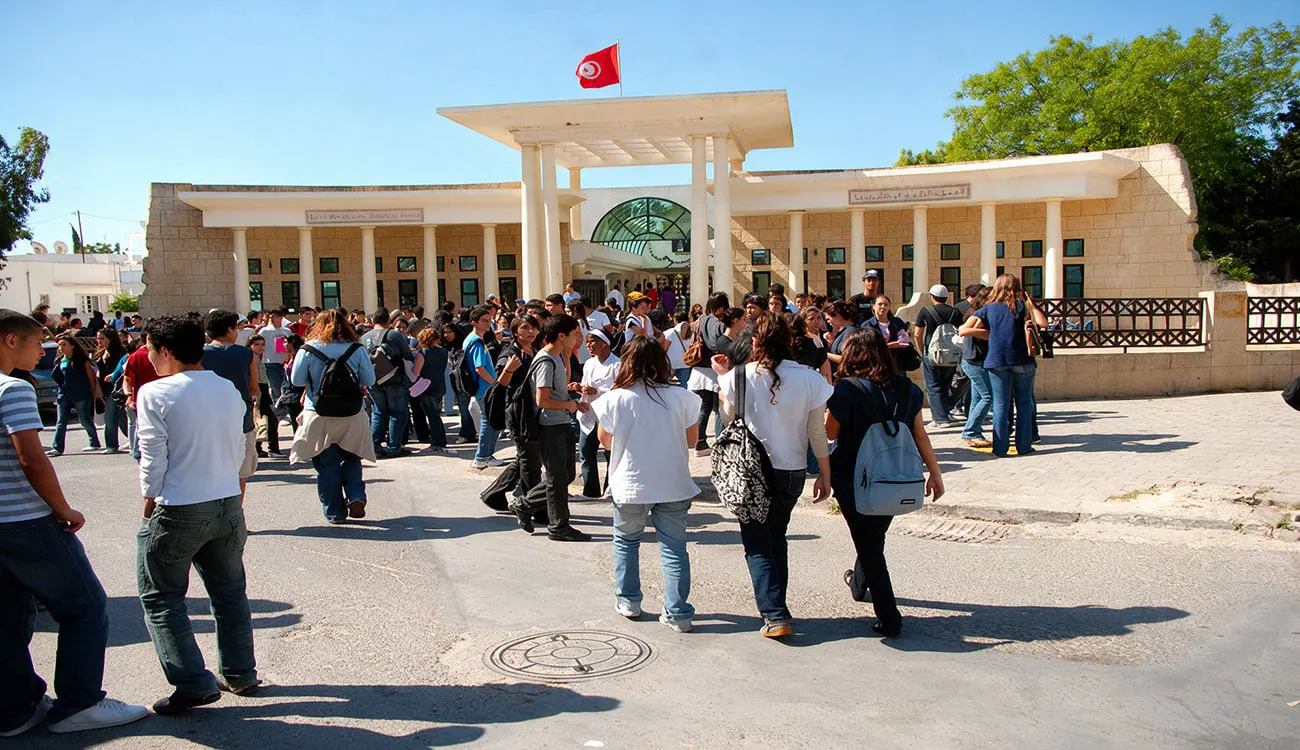
Starting October 1, 2026, students in Tunisia will no longer be allowed to leave their school premises during idle hours, including when a teacher is unexpectedly absent. This measure applies to all levels of education and aims to enhance student protection and better manage their time within school facilities. The new organization is based on a note from the Ministry of Education regarding school operations and access management.
The decision was announced by Education Minister Noureddine Nouri, who mentioned a "executive program" designed to prevent risks students may face near schools. Nadia Ayari, Director General of Primary Education, clarified that students must stay within school premises during scheduled periods, even if a class is canceled due to a teacher's absence. This move seeks to ensure students' safety and provide them with a structured environment.
The Ministry of Education plans to utilize idle hours for educational, cultural, sports, and artistic activities. To support this initiative, eleven ministries and several public institutions will be involved. Animateurs from youth centers and officials from relevant ministries, such as Family, Culture, Youth and Sports, and Health, will provide activities and awareness sessions on topics like violence and substance abuse.
According to the Ministry of Education, Tunisia has 6,178 schools with various spaces that can be used for these activities, including sports facilities, reading and revision rooms, libraries, and multipurpose halls. This measure aims to prevent students, especially those living far from their schools, from being left unsupervised outside during class breaks.
The new policy seeks to balance safety, supervision, and productive use of school time. By keeping students within school premises, authorities aim to minimize risks and provide a more controlled environment. This approach is part of a broader effort to improve education and student well-being in Tunisia.
The implementation of this measure will involve collaboration between various stakeholders, including schools, local authorities, and community organizations. By working together, they will ensure that students have access to a range of activities and resources during idle hours, promoting a safer and more supportive learning environment.
The initiative is expected to have a positive impact on students' educational experience and overall well-being. By providing a structured and engaging environment, schools can help students develop new skills, build relationships, and stay safe. The Ministry of Education will likely monitor the effectiveness of this measure and make adjustments as needed to ensure its success.
Key points
- Students in Tunisia will be required to stay within school premises during idle hours, including when a teacher is unexpectedly absent.
- The Ministry of Education plans to utilize idle hours for educational, cultural, sports, and artistic activities.
- The measure aims to prevent students from being left unsupervised outside during class breaks and promote a safer learning environment.